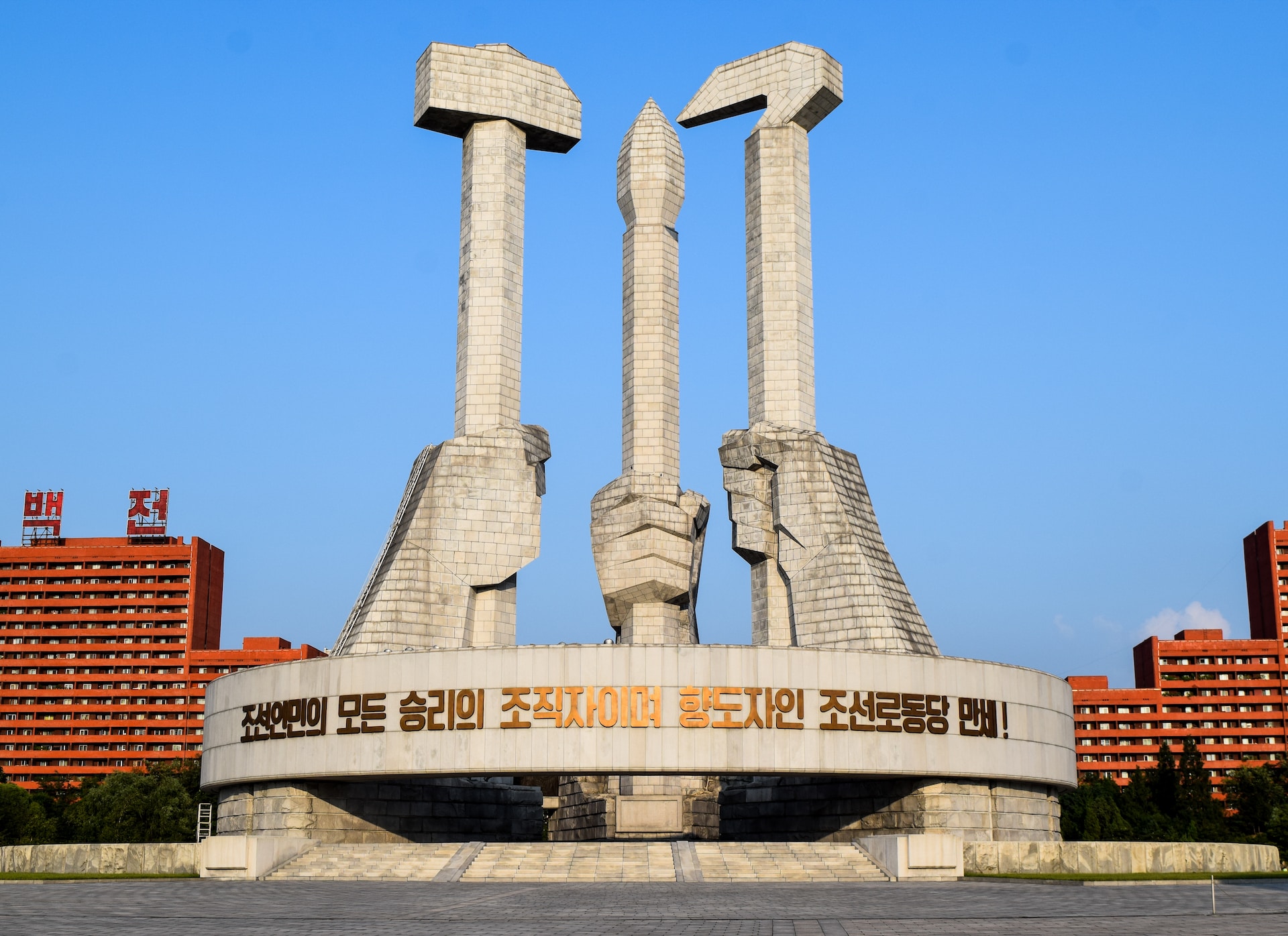
The ruling Worker’s Party of North Korea will reportedly be holding a key meeting in June, according to state media. The upcoming meeting would be to discuss the nation’s economic policy.
North Korean state media outlet KCNA said on Monday that North Korea’s ruling Worker’s Party would be having a key meeting that will take place in early June, following the plenary meeting that was held in February, making it the eighth plenary meeting overall. KCNA said the upcoming meeting aims to discuss North Korea’s economic policy for the first half of the year as well as “policy issues of weighty significance” in the development of its revolution.
February’s meeting of the ruling party’s Central Committee discussed boosting North Korea’s economy and the agricultural sector at a time of concerns over food shortages.
On the same day, KCNA published a commentary criticizing the recent joint military drills by the United States and South Korea, describing the exercises as “dangerous war gambles.” The criticism follows the combined military drills that took place on Thursday last week, the first of such drills since 2017.
“It is no exaggeration to say that the war scenario for aggression on the DPRK has already entered its implementation stage through training stage,” said the commentary, referring to North Korea by the initials of its formal name, the Democratic People’s Republic of Korea.
The joint drills last Thursday were referred to as the Combined Joint Live-Fire Exercise, which included around 2,500 troops from 71 units and around 600 military assets mobilized by the two countries 25 kilometers south of the inter-Korean border.
Also, on Monday, Japan placed its ballistic missile defenses on alert while vowing to shoot down any projectile that would fall on its territory following Pyongyang’s notification of its planned satellite launch between May 31 and June 11. A spokesperson for the Japanese defense ministry said Tokyo is expecting North Korea to fire the rocket carrying its satellite over Japan’s southwest island chain, similar to what it did in 2016.
“We will take destructive measures against ballistic and other missiles that are confirmed to land in our territory,” the ministry said in a statement, adding that it plans to use its Standard Missile-3 or Patriot Missile PAC-3 to destroy a North Korean missile.
Photo: Steve Barker/Unsplash