


 US Army Tests Counter-Drone Technology Along Mexico Border
  Flavio Bolsonaro, Lula Head to Brazil Election Runoff
  Vance Demands Iran Cut Nuclear Enrichment to End War
  Fairshake Backs 32 Pro-Crypto House Candidates
  Trump Gaza Peace Plan Stalls as Israel Retains Control
  New York Declares Measles Disaster Emergency as Cases Surge
  Zelenskiy Warns Russia Is Preparing Massive Attack on Ukraine
  Iran Tanker Attacks Surge as Hormuz Oil Flows Near Prewar Levels
  North Korea Slams US Taiwan Arms Sales, Reaffirms Russia Support
  US DOT Ends Airline Privacy Review Without Enforcement
  India-US Trade Deal Talks Hit Plateau, Sitharaman Says
  Trump Opens Tax-Exempt Dyed Diesel Access as Fuel Prices Surge
  Takaichi Pledges to Control Japan Bond Issuance
  Trump Plans Diesel Tax Relief as Fuel Prices Hit Record Highs
  Lula Weighs Alckmin as Finance Minister to Boost Fiscal Credibility
  Russian Bombs Kill Six, Injure Nearly 60 in Kharkiv
  OpenAI, Anthropic Back Mandatory AI Breach Reporting in Australia


 Add as a preferred source on Google
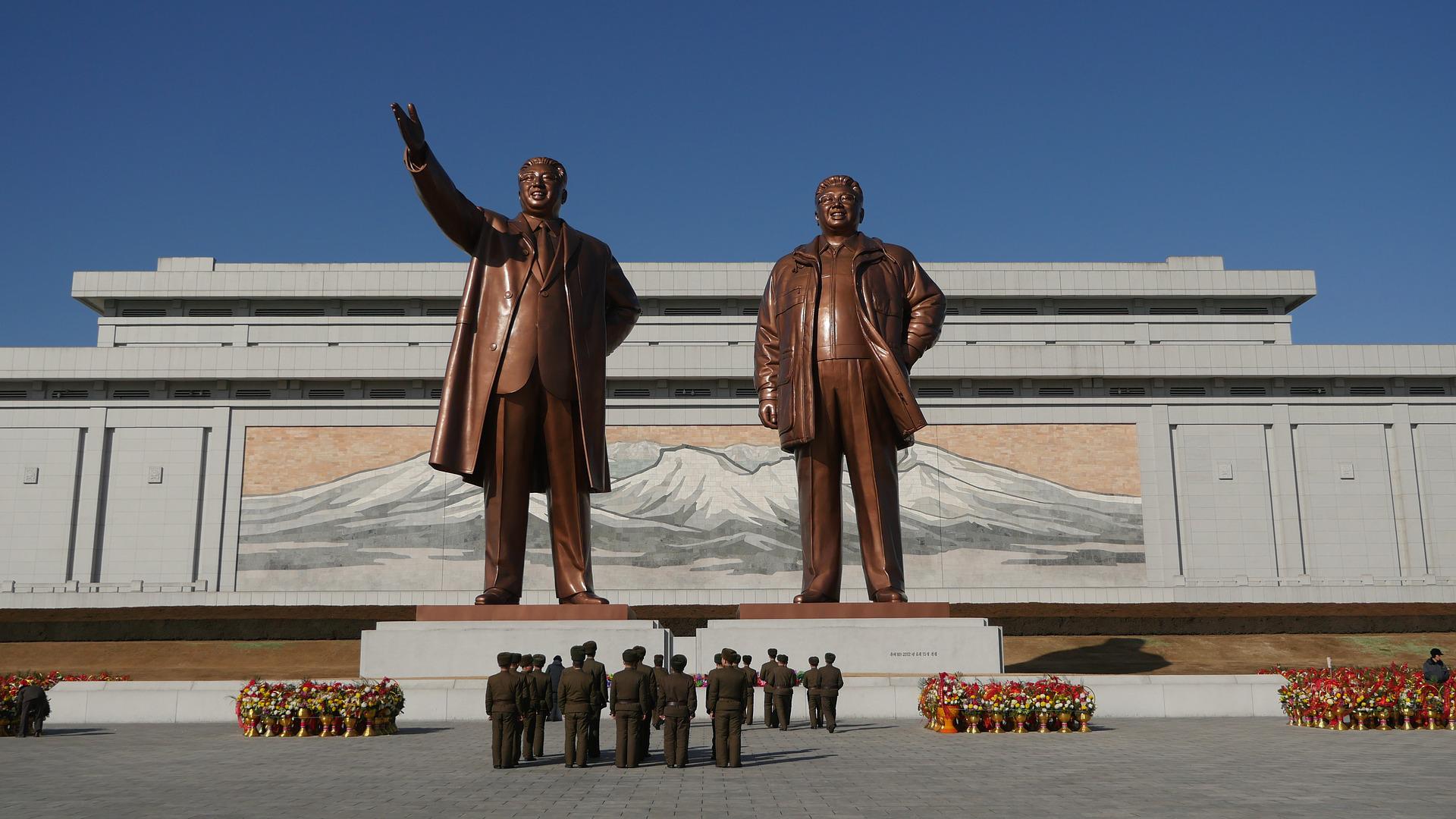
The tension in the Korean peninsula flared up this month when North Korea carried out another weapons test. Pyongyang carried out its 16th weapons test this year as it reported a confirmed COVID-19 case for the first time.
South Korean military said North Korea fired three short-range ballistic missiles toward the sea off its east coast. The firing of ballistic missiles took place hours after Pyongyang announced its first-ever cases of COVID-19, more than two years since the pandemic began.
The suspected launch came from the Sunan area of Pyongyang. The weapons test also came two days after South Korea inaugurated its new president, Yoon Suk-yeol, who is expected to take a more hawkish stance on North Korea. Yoon’s office said it held an emergency national security council meeting.
The office of Japanese Prime Minister Fumio Kishida also confirmed the launch. Japanese media outlet NHK reported that the suspected missile fell outside Japan’s exclusive economic zone.
South Korea and Japan also previously said that North Korea conducted two separate ballistic missile tests the week prior to Yoon’s inauguration. Pyongyang did not confirm the launches.
North Korea has pressed forward with its weapons tests despite breaching international sanctions over its programs. Earlier on the day of the 16th launch, Pyongyang reported its first COVID-19 infection, declaring a “serious emergency.”
North Korean state media said leader Kim Jong-un “called on all the cities and counties of the whole country to thoroughly lock down their areas,” which would close down businesses, factories, and homes to reorganize in order “to flawlessly and perfectly block the spread vacuum of the malicious virus.”
Following the recent weapons tests, the US this week requested to hold an emergency meeting of the UN Security Council. The request comes as Washington has sought to strengthen the sanctions imposed on North Korea. The US is the president of the UNSC for May, and diplomats said Monday that Washington has been considering holding a meeting on the matter since last week.
The US ambassador to the UN, Linda Thomas-Greenfield, said the US would like the council to vote on further sanctioning North Korea. However, China and Russia – which hold veto power – have already signaled they intend to oppose such action.







