


 Russian Strikes Kill Six in Ukraine, Including Three in Kharkiv
  Yandex Data Center Hit by Drone Strike as Russia-Ukraine Cyber Infrastructure Attacks Escalate
  OpenAI Revenue Hits $50 Billion, Below Earlier $70 Billion Estimate
  Trump Calls for Zelenskyy Replacement Amid Russian Diesel Deal
  Moonshot AI Executives Seek Settlement Ahead of Hong Kong IPO
  US Suspends Microsoft, Adobe From Green Card Program
  North Korea Fires Ballistic Missiles as Tensions With South Korea Escalate
  Pakistan Declares Emergency in Khyber Pakhtunkhwa, Suspends Imran Khan’s PTI Government
  Amazon Cuts More Jobs as AI Investment Expands
  Apple Supplier Luxshare Sees Limited Impact From US Patent Probe
  Houthis Warn Saudi Airports After Deadly Riyadh Attack
  Zelenskiy Offers Russia Energy Truce Amid Trump Pressure
  Amazon in Talks to Acquire AI Startup Decart for $7 Billion
  Panama Declares Emergency After 7.7 Earthquake Triggers 200 Aftershocks
  OpenAI Annualized Revenue Hits $50 Billion, Below Earlier Estimates
  Trump Defends Russian Diesel Deal Amid US Sanctions Backlash


 Add as a preferred source on Google
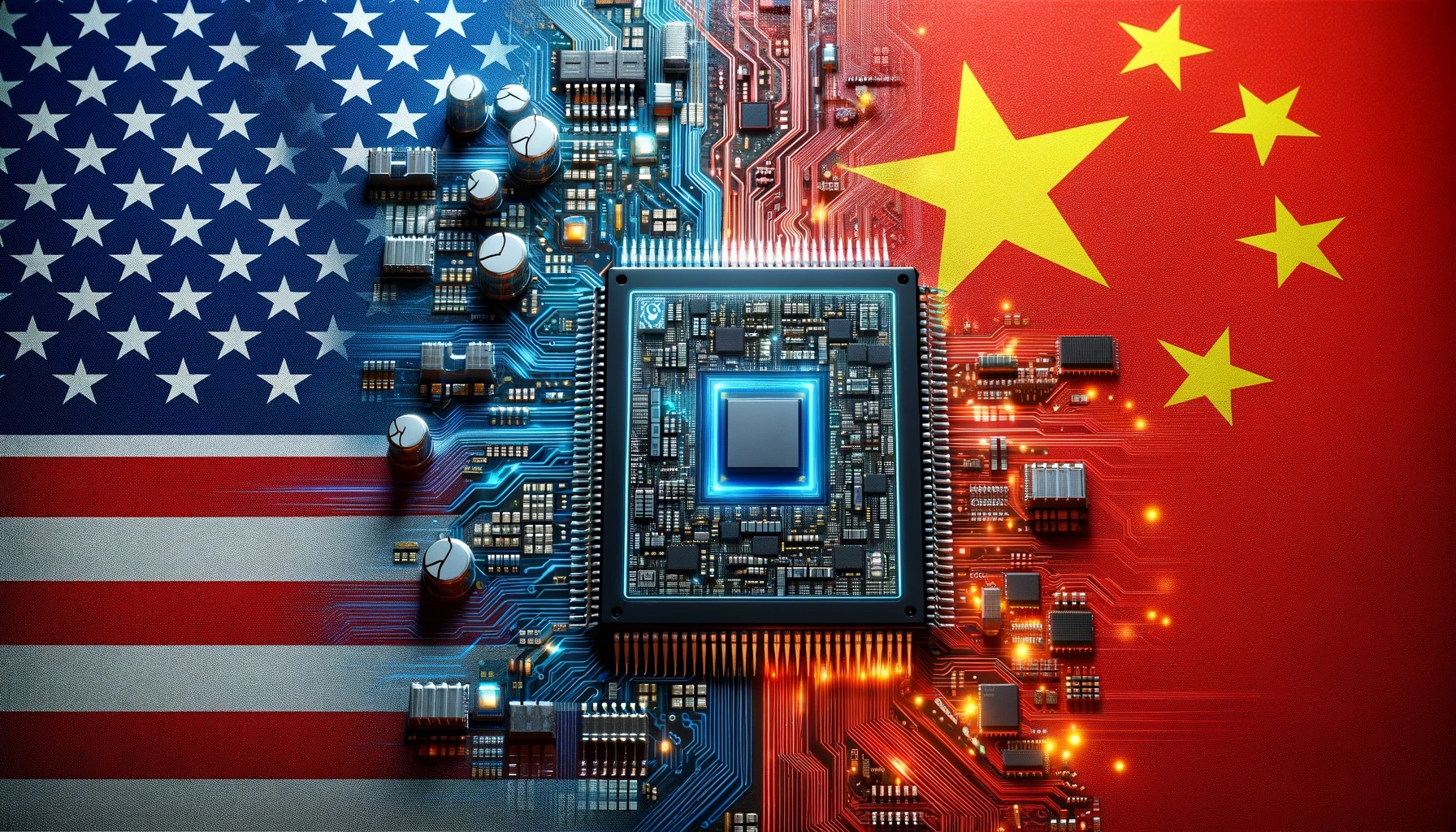
The United States is finalizing a list of Chinese chip factories banned from receiving vital technology, aiming to curb Beijing's tech advancements amid national security concerns. Concurrently, a US-Mexico semiconductor supply chain development partnership marks a strategic move to diversify sourcing away from Asia.
US Moves to Clarify Chip Export Restrictions, China Cautions Against Suppression
According to Reuters, the list could be released within a few months. In 2022, the Commerce Department barred US companies from shipping equipment to Chinese factories producing advanced chips. The US seeks to severely limit Beijing's technological advances due to national security concerns.
However, companies claim it is difficult to determine which factories in China produce advanced chips and have long urged the Commerce Department to publish a list.
The effort demonstrates that the United States is working to strengthen its existing chip restrictions on China by making it easier for US firms to comply with them.
The Commerce Department Declined to Comment
A spokesperson for the Chinese Embassy in Washington stated that the United States should "stop overstretching the concept of national security and abusing state power to suppress Chinese companies."
During an annual export controls conference in Washington this week, US officials responded to company requests for a list.
"People are like: 'Please, just tell us which advanced you really care about,'" said one official who spoke on a panel.
"It's probably not going to be an exhaustive listing if we can do that. But the more that we can help identify these facilities that we have a concern about, the more hopefully that's going to help," the official added.
US and Mexico Forge Partnership to Strengthen Semiconductor Supply Chain
The US will work with Mexico to explore semiconductor supply chain opportunities, the State Department announced on March 28, as the Biden administration seeks to reduce reliance on China and Taiwan for the technology.
The collaboration will take place in the United States. The CHIPS Act, a 2022 law, established a $500 million fund to develop the semiconductor supply chain through collaborative initiatives with allies and partners.
The department said, "Manufacturing of essential products ranging from vehicles to medical devices relies on the strength and resilience of the semiconductor supply chain."
According to the department, the partnership will begin with assessing Mexico's current semiconductor industry, regulatory framework, and workforce requirements.
The Mexican economic ministry did not immediately respond to a request for comment on the State Department's announcement.







