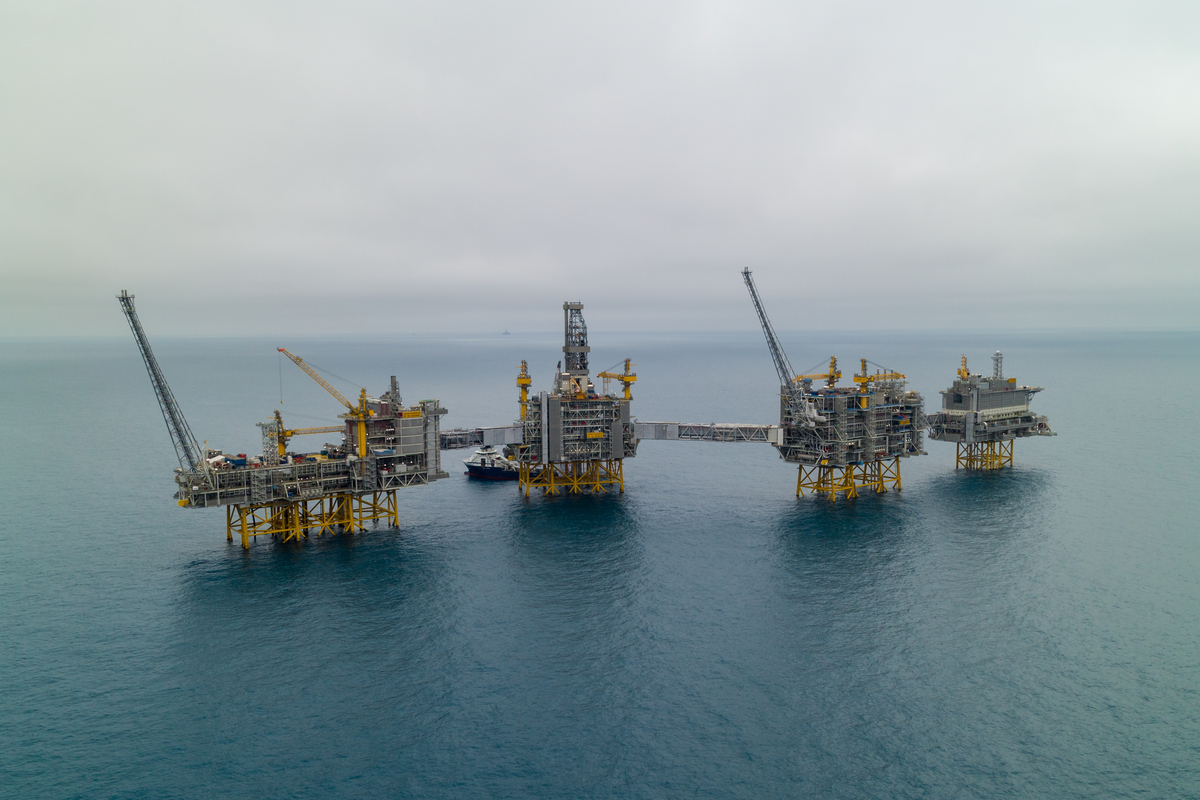
A shift to operating Norwegian oil rigs remotely from land has raised concerns over the loss of well-paid jobs and its impact on the safety of offshore workers.
Lower oil prices and the coronavirus crisis are accelerating this shift.
According to Audun Ingvartsen, a union leader of Lederne, their members are still wondering whether onshore controls are good enough and safe enough.
Ingvartsen and Hilde-Marit Rysst, the head of another union, Safe, said their concerns are based on situational awareness among those working offshore and on land.
On the other hand, Jarle Eide, a representative of the Industri Energi union at Equinor, noted that workers were more confident now in using remote controls.
Eide acknowledged that there is always a risk and things can go wrong, so you have to be focused on safety even during your spare time,” he added.
Aker BP's Ivar Aasen field was the first manned offshore platform to be managed remotely, which has about 50 people working on the rig while operated on land by another 14.
Aker BP and Equinor both have moved controls onshore gradually and ensured that workers on the platforms are able to take over necessary control, with emergency response available nearby.
Oil companies started experimenting with remote controls about seven years ago, first with smaller, unmanned installations off the coast of Norway.
Norway, Europe’s largest oil and gas producer, has since become a testing ground for industry attempts to use the technology to convert manned platforms.