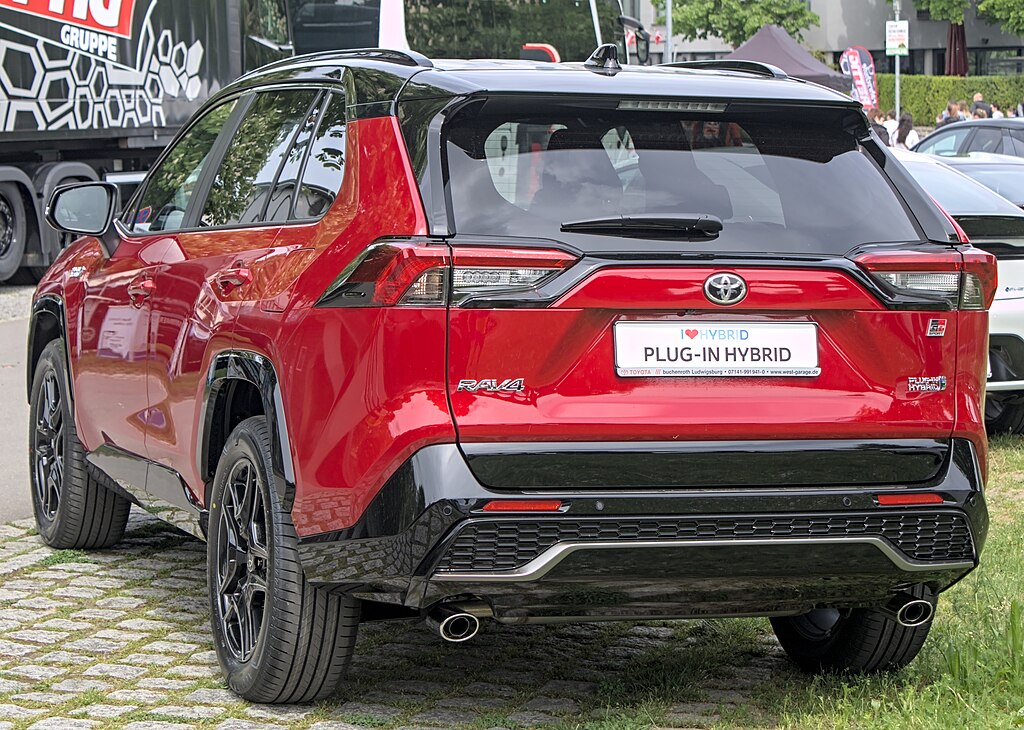
Toyota (NYSE:TM) is reportedly weighing plans to produce the next-generation RAV4 SUV in Kentucky to counter the impact of U.S. tariffs on imported vehicles, according to sources familiar with the matter. The Japanese automaker currently builds the RAV4 in Japan, Canada, and Kentucky. It had initially planned to export the redesigned 2026 RAV4 from Japan and Canada but is now considering expanding U.S. production.
The move comes as the Trump administration enforces a 25% tariff on imported cars. Producing the RAV4 domestically would help Toyota avoid steep import costs and reduce exposure to yen volatility. While the final decision is pending, if approved, U.S. production could begin in 2027. Toyota’s manufacturing adjustments would require significant planning and retooling, delaying immediate implementation.
The RAV4 was the best-selling vehicle in the U.S. last year, surpassing Ford’s F-150, with over 475,000 units sold—about 20% of Toyota’s U.S. sales. Toyota operates 11 plants in the U.S. and manufactured around 1.3 million vehicles domestically in 2024.
Toyota stated it continuously evaluates manufacturing strategies to meet customer needs and support stable employment but declined to comment on speculation about the RAV4’s production shift.
Rising tariffs are prompting several automakers to localize production. Honda (NYSE:HMC) will produce its new Civic hybrid in Indiana instead of Mexico, while Nissan (OTC:NSANY) plans to cut Japanese output of its top-selling U.S. model by 13,000 units through July.
Toyota has invested nearly $50 billion in U.S. operations over the years. Recent talks between Japan’s trade delegation and President Trump aimed at easing auto tariffs have shown signs of progress, possibly affecting future production decisions.