


 SEC Moves to Dismiss Insider Trading Case Against Trump-Pardoned Terren Peizer
  Trian Drops Wendy’s Take-Private Bid Plans, Shares Plunge 14%
  Trump Administration Moves to Strip ABA of Law School Accreditor Status
  Samsung Shares Tumble 8% as $79 Billion Return Plan Disappoints
  HP Stock Drops 9% Despite Q3 Earnings Beat and Raised 2026 Outlook
  BofA Names ASML Top Semiconductor Equipment Pick on Growth, Valuation
  New Zealand Moves to Ban Social Media for Children Under 16
  Amazon Secures 200 MW Wind Power Deals in Sweden
  BNP Paribas, KB Kookmin Eye $2 Billion Techcombank Stake
  GM Plans C$1.1 Billion Canada Investment Amid U.S. Tariff Pressure
  Guatemala Receives 2,300 Mexicans Deported From US
  Mercer International Stock Surges 45% on C$20 Million Canada Funding
  SoftBank Plans Record $6.3 Billion Bond Sale to Fund OpenAI Investments
  Nvidia Reportedly Eyes $13 Billion Hugging Face Acquisition
  Nvidia Revenue Soars 106% as AI Demand Hits ‘Inflection Point’
  PayPal Shares Sink as $50 Billion Takeover Bid Collapses


 Add as a preferred source on Google
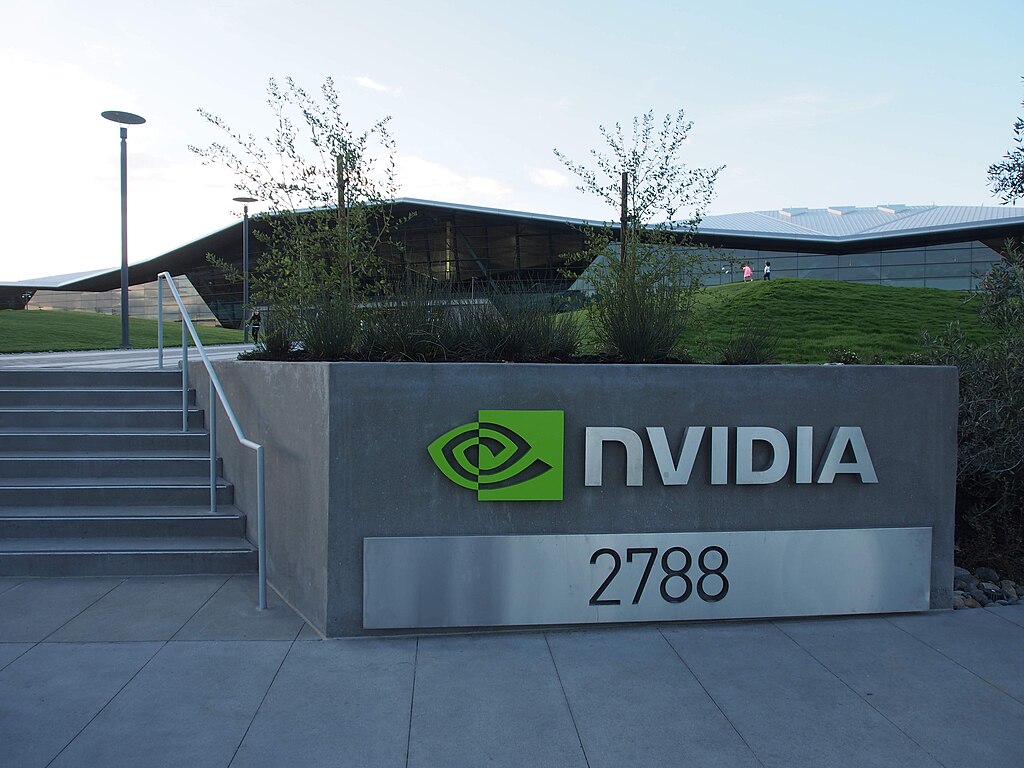
Nvidia (NASDAQ:NVDA) announced it will incur $5.5 billion in charges after the U.S. government indefinitely restricted exports of its H20 AI chip to China, a critical market for its data center products. The H20 chip, tailored to comply with U.S. export limits, has been Nvidia’s most advanced model available in China and a key component in partnerships with tech giants like Tencent, Alibaba, and ByteDance.
The restrictions stem from concerns that H20 chips, despite reduced AI training capabilities, offer high-speed memory and chip connectivity—features potentially usable in supercomputers. The U.S. has banned chips linked to Chinese supercomputing efforts since 2022. Washington’s latest move follows a report by the Institute for Progress, claiming firms like Tencent and DeepSeek may already be deploying H20s in ways that violate export controls. Tencent denied the claims, asserting full compliance and stating it has not built any supercomputers.
On April 9, Nvidia was informed by the U.S. government that H20 shipments to China would now require a license, with those rules made indefinite by April 14. It remains unclear if any licenses will be granted. The $5.5 billion charge accounts for inventory write-downs, purchase commitments, and other reserves related to the H20 chip.
The development comes just a day after Nvidia revealed plans to build $500 billion worth of AI servers in the U.S. over the next four years with partners like TSMC, aligning with the Trump administration’s focus on domestic semiconductor production.
Nvidia shares fell 6% in after-hours trading following the announcement, reflecting investor concerns over the impact of losing access to China’s booming AI market. The company declined further comment, and the U.S. Department of Commerce has yet to respond.







