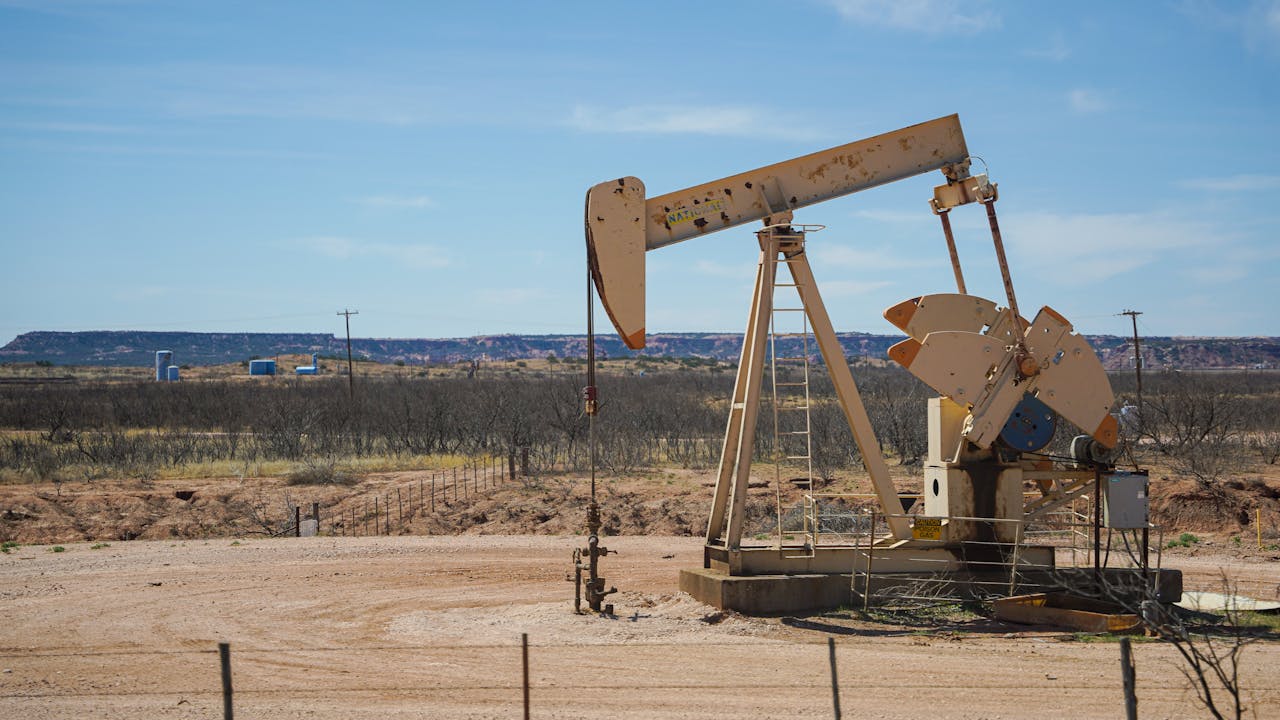
Oil prices continued their downward trend during Asian trading hours on Thursday, pressured by fading geopolitical risk and a larger-than-expected rise in American crude stockpiles. Brent crude futures for June delivery dropped 1.2% to $99.92 per barrel, while West Texas Intermediate fell 1.7% to $98.40 per barrel as of early morning GMT. Both benchmarks had already closed softer in the prior session as traders began unwinding risk premiums tied to Middle East supply concerns.
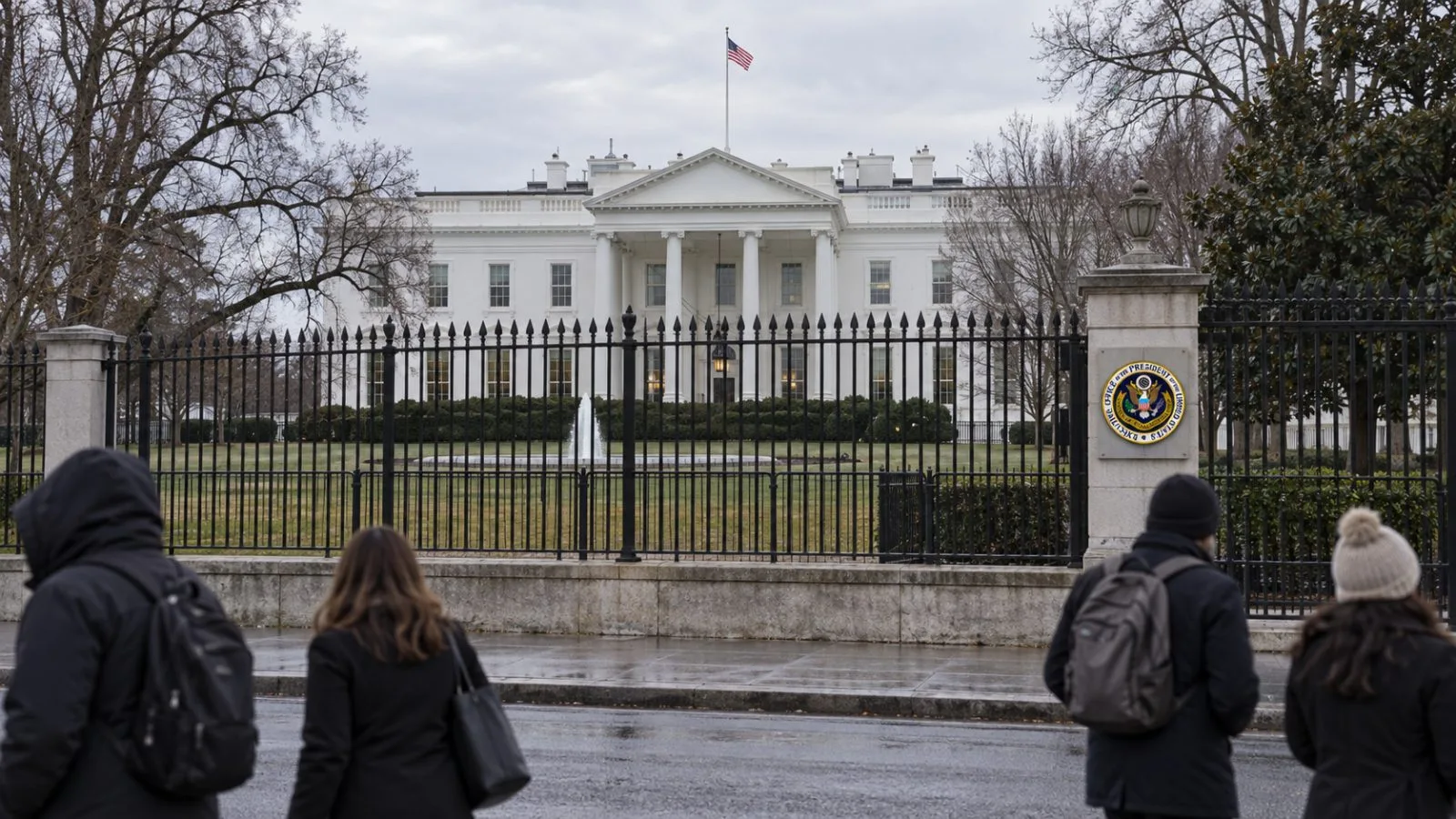
The sell-off accelerated after U.S. President Donald Trump signaled that American forces could withdraw from Iran within two to three weeks, even in the absence of a formal peace agreement. That statement stoked hopes of a diplomatic off-ramp, leading markets to pare back the geopolitical risk premium that had lifted crude to multi-month highs back in March. Investor attention remained firmly fixed on a nationally televised presidential address scheduled for 9 p.m. EDT, where Trump was expected to outline the administration's next steps on the Iran conflict.
Mixed signals around ceasefire negotiations added another layer of uncertainty to an already volatile market. Trump claimed via social media that Iran's new leadership had requested a truce, hinting at a possible opening for talks. Iranian officials swiftly pushed back, with the Foreign Ministry denying any such request had been made, leaving traders in a state of cautious wait-and-see.
Supply-side data compounded the bearish mood. The U.S. Energy Information Administration reported a crude inventory build of roughly 5.5 million barrels for the week ending March 27, surpassing analyst forecasts for a modest increase. Rising stockpiles typically signal softer near-term demand, reinforcing downward pressure on prices. With diplomatic developments still fluid and inventory levels climbing, crude markets are expected to remain sensitive to any fresh headlines out of Washington or Tehran.