Oil prices declined in Asian trading on Tuesday, reversing gains from the previous session as fears of an impending supply glut weighed heavily on markets. A stronger U.S. dollar also added pressure, curbing investor appetite for commodities priced in the greenback.
Brent crude futures for January dropped 0.3% to $63.89 per barrel, while West Texas Intermediate (WTI) crude fell 0.3% to $59.88 per barrel as of 03:49 GMT. Despite stabilizing from recent lows, oil prices continue to face losses in 2025 due to growing concerns over excess supply and weakening global demand. The anticipated oversupply stems largely from increased output by the Organization of the Petroleum Exporting Countries (OPEC) and its allies, who have steadily expanded production throughout the year.
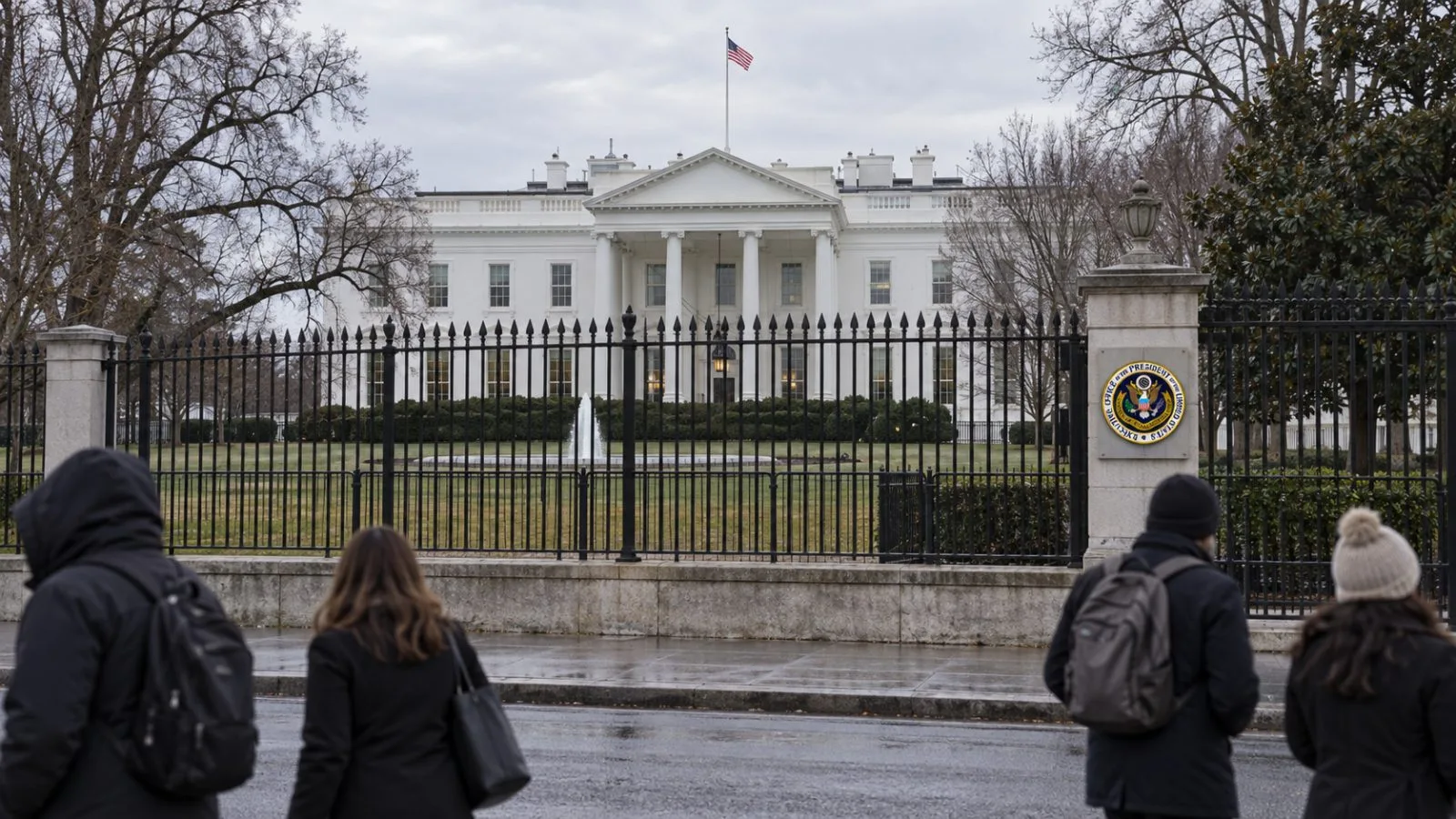
The dollar held firm in early Tuesday trading, extending modest overnight gains. Progress in U.S. Senate negotiations to end the prolonged government shutdown bolstered confidence, as lawmakers moved closer to approving a bill to release essential funding. The shutdown, which disrupted air travel and energy demand in the world’s largest fuel consumer, had been a major factor influencing oil sentiment. A stronger dollar typically makes oil more expensive for buyers using other currencies, limiting global demand.
Meanwhile, geopolitical tensions in Eastern Europe continue to influence the energy landscape. Ukraine’s recent drone attacks on Russian refineries prompted retaliatory strikes from Moscow, escalating the ongoing conflict now entering its third year. While these disruptions have provided some short-term support for crude prices, the overall market outlook remains bearish as rising supply overshadows war-related risks. U.S. sanctions targeting Russia’s oil industry add further complexity to the global energy equation, but traders remain cautious amid broader economic uncertainty.