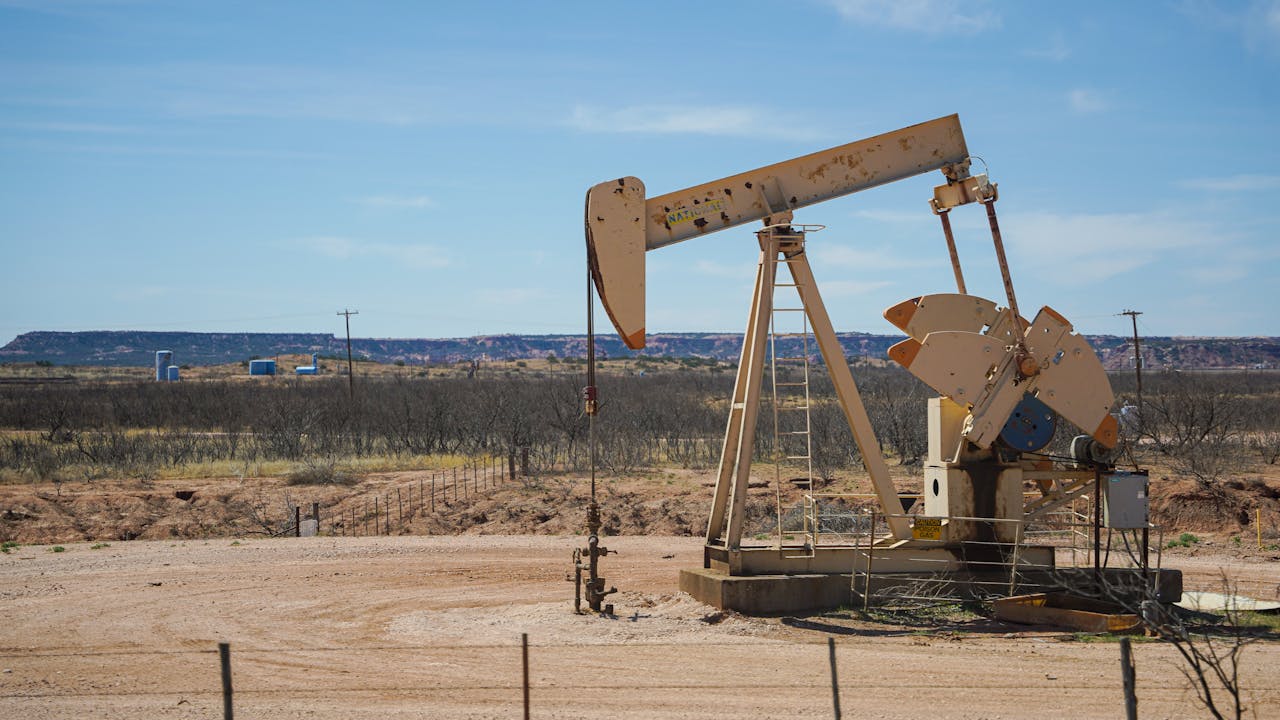
Global oil prices soared past the critical $100 per barrel threshold Thursday after Iran's new leader Mojtaba Khamenei declared the Strait of Hormuz would remain closed while U.S. and Israeli military operations continue against the country. Brent crude climbed 8% to nearly $99.34 a barrel, touching an intraday high of $101.57, while U.S. West Texas Intermediate jumped 8.6% to $94.77 per barrel.
The escalating Middle East conflict intensified after two oil tankers near Iraq and Kuwait were attacked and set ablaze, with a third vessel struck near Dubai. Iraq responded by shutting all its oil ports, while Oman similarly closed its oil terminals. One sailor was reported killed as rescue operations continued for crew members aboard the burning ships.
The Strait of Hormuz, a narrow but vital shipping lane responsible for roughly 20% of the world's oil and liquefied natural gas supply, has seen flows drop to near zero from the pre-war level of approximately 20 million barrels per day. The International Energy Agency called it the largest supply disruption in oil market history, cutting its annual supply outlook and announcing a record release of 400 million barrels from strategic reserves. President Trump separately authorized the release of 172 million barrels from U.S. emergency petroleum reserves. China also moved swiftly, banning refined fuel exports to guard against domestic shortages.
Global supply is projected to fall by 8 million barrels per day in March, only partially cushioned by increased output from Russia, Kazakhstan, and non-OPEC+ producers. Despite the crisis, analysts at Wells Fargo noted the U.S. economy is significantly less vulnerable to oil price shocks than in previous decades, owing to improved energy efficiency, a smaller energy footprint, and America's shift to becoming a net energy exporter.