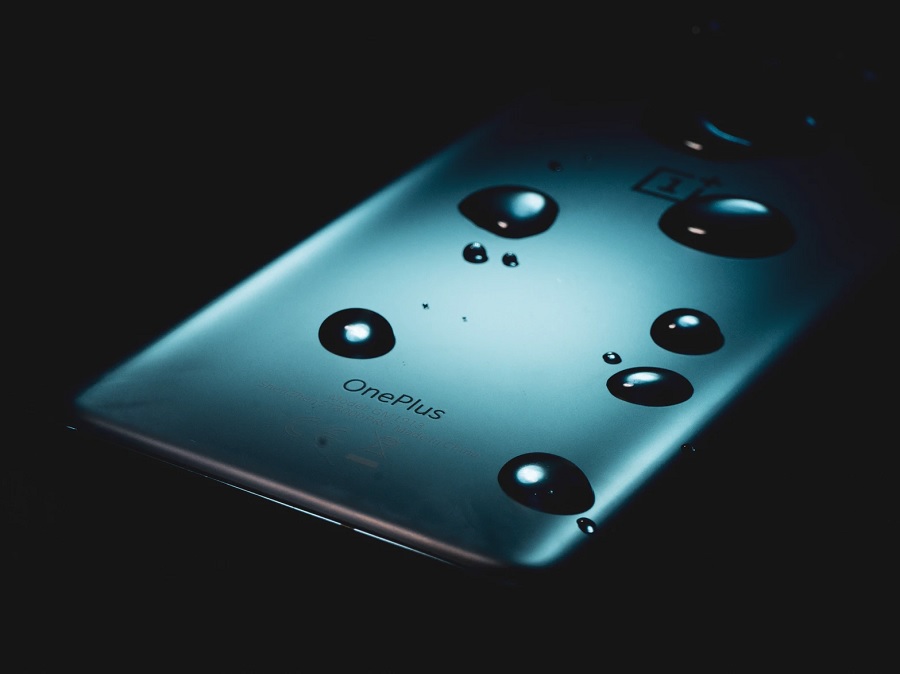
OnePlus does not like keeping secrets about its upcoming phones until the day they are officially launched. The company just proved this once more as it unveiled the full design of the OnePlus 9 Pro a full week ahead of its presentation.
OnePlus 9 Pro’s official design is out
The company started the week officially unveiling how the OnePlus 9 Pro would look like in the new color variant called Morning Mist. While it was still quite a surprising move, the upcoming device’s design is not something that fans have not seen.
Specially designed reflective glass elevates the #OnePlus9Pro Morning Mist to new levels of design excellence. There's nothing else like it.
— OnePlus UK (@OnePlus_UK) March 15, 2021
See even more on March 23.
???? https://t.co/18Op7zhU9l pic.twitter.com/lF07yB0TVX
It can be recalled that the OnePlus 9 Pro already appeared in several leaks over the previous months. Just last week, WinFuture unveiled the supposed official renders of the smartphone series. And OnePlus’ posts on Monday are mere confirmations that the earlier leak showed the phone’s design accurately. It will sport a curved-edge display, a hole punch selfie on the top left corner of the screen, and a quad-camera with the Hasselblad brand on the back.
Sandstone lookalike on first sight, but in the end it might just be a kind of "metallic" look on the back of the "Stellar Black" OnePlus 9 Pro. pic.twitter.com/KYh3moeoKC
— Roland Quandt (@rquandt) March 10, 2021
There are also some new details hinted at in the official OnePlus 9 Pro images. The Morning Mist reveals alone was not included in earlier leaks. It is then the first time OnePlus fans are seeing that at least one of the variants would have a reflective finishing, which also suggests it could sport a glass back. Meanwhile, the WinFuture report mentioned three different colorways in the pipeline -- black, silver, and green -- that all appear to have a slightly metallic finishing.
OnePlus 9 rumored specs: What to expect
With a new mega partnership with Hasselblad, it is not surprising that the camera specs have been in the spotlight of most OnePlus 9 teasers since its launch event was announced. So far, it is confirmed that the series will feature the Sony IMX789 and IMX766 sensors. If the early teasers are any indication, fans can expect that the presentation next week will likely allot a good amount of time demonstrating how the company has improved the phones’ camera tech.
Meanwhile, other anticipated specs include a variant of a 90Hz display for the base OnePlus 9 and an adaptive 120Hz refresh rate for the Pro model. The latter is also anticipated to benefit from the 65W fast charging tech OnePlus launch on the 8T late last year. The entire series is very likely powered by the Snapdragon 888 chipset.
OnePlus 9 Pro release date: Where to watch the March 23 event
Tech fans worldwide can follow the OnePlus 9 series event, where the first-ever OnePlus Watch is also expected to be announced. People can tune in through the OnePlus YouTube channel on March 23.
Featured photo by Mayer Maged on Unsplash