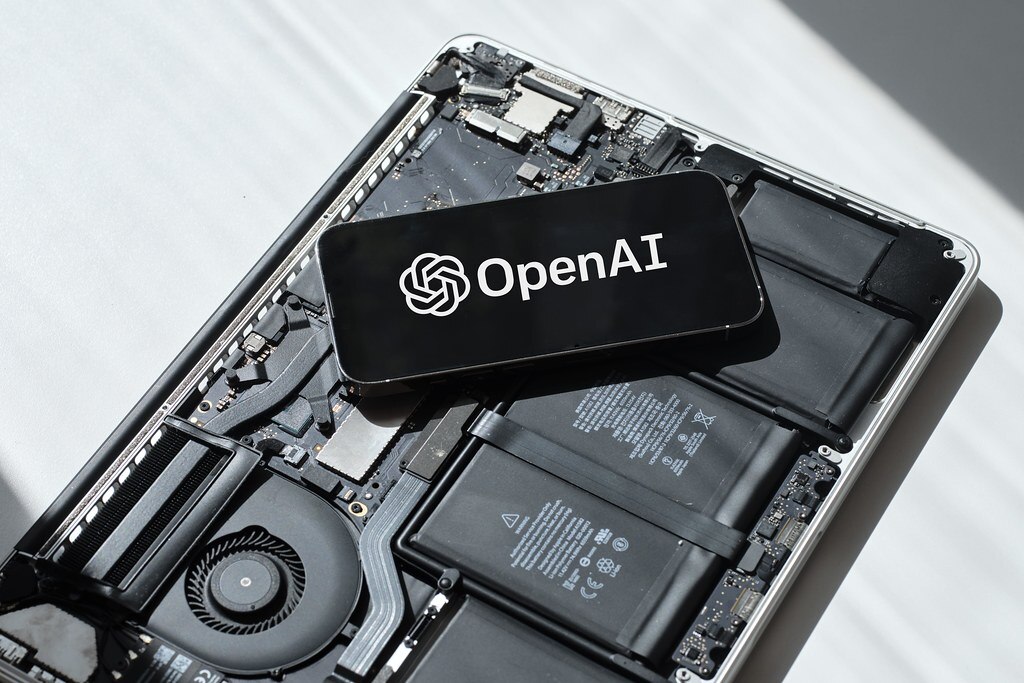
OpenAI is set to significantly reduce the share of its revenue allocated to commercial partners, primarily Microsoft, according to a report by The Information. Currently, Microsoft receives about 20% of OpenAI’s revenue. However, by the end of the decade, that figure is expected to drop to around 8%. The projected reduction could allow OpenAI to retain more than $50 billion in additional revenue, though it remains unclear if that estimate is annual or cumulative.
The companies are also in ongoing discussions regarding server rental costs, a key part of their collaboration, the report noted. These talks could redefine how OpenAI manages its infrastructure expenses as it continues to scale artificial intelligence services globally.
This shift comes as Microsoft and OpenAI announced a non-binding agreement to restructure their partnership, potentially allowing OpenAI to transition into a for-profit company. Under the current arrangement, OpenAI’s nonprofit arm is expected to secure more than $100 billion in funding. This sum represents nearly 20% of the $500 billion valuation OpenAI is targeting in private markets, positioning it as one of the best-financed nonprofit entities worldwide.
Industry experts note that the renegotiated revenue share could dramatically improve OpenAI’s financial independence while still maintaining strategic ties with Microsoft. Such a move underscores the evolving dynamics between the AI research leader and its largest backer, especially as competition in the artificial intelligence sector intensifies.
Neither Microsoft nor OpenAI has publicly commented on the details of the renegotiations. Still, the potential shift highlights the growing importance of cost management and revenue optimization as OpenAI pursues its ambitious long-term growth strategy.