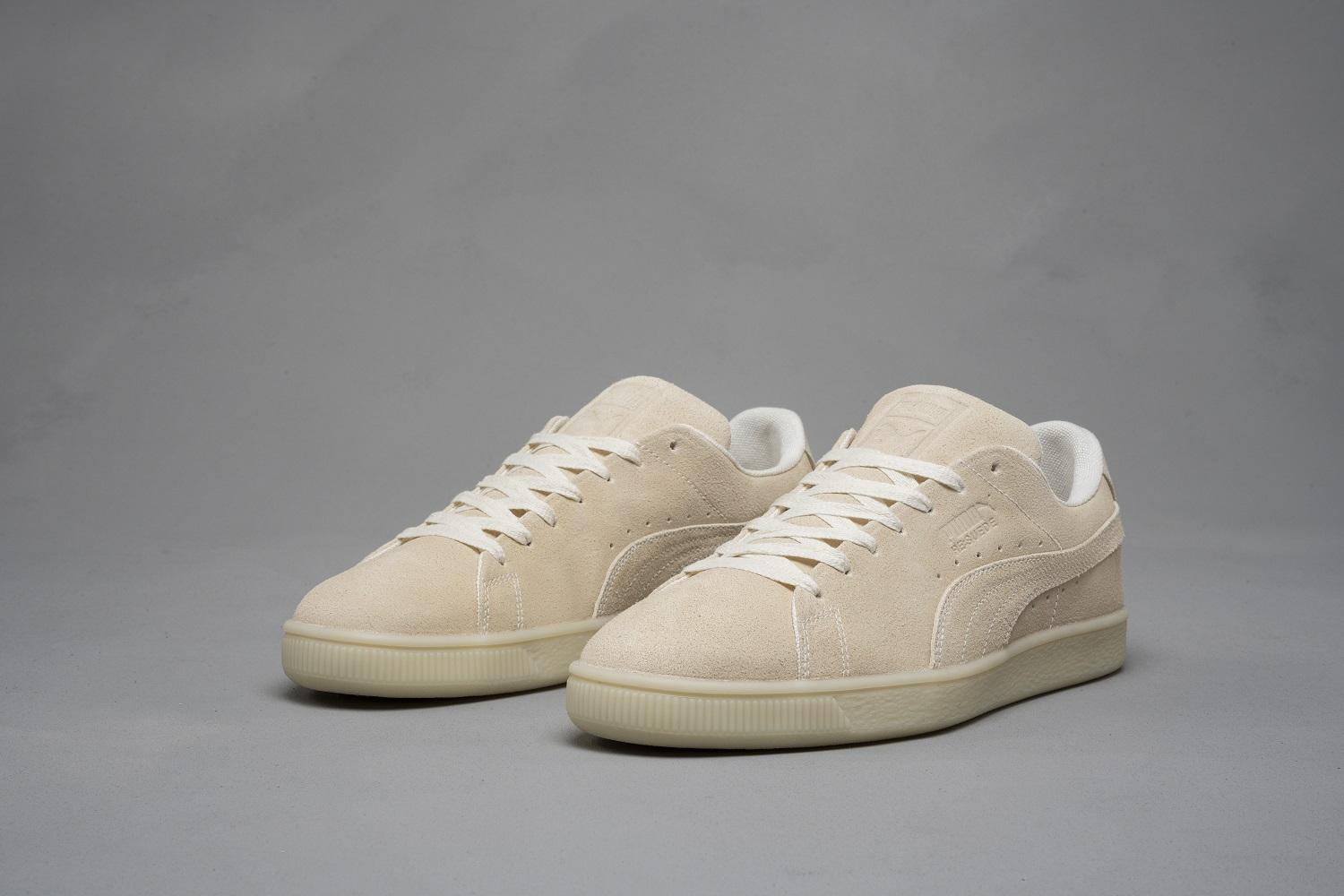
Sports giant PUMA has announced it will release a commercial version of its experimental RE:SUEDE sneaker, dubbed the RE:SUEDE 2.0, marking a significant milestone in sustainable footwear. This announcement follows a successful two-year pilot project demonstrating the brand's commitment to innovating for a greener future.
According to Yahoo, the RE:SUEDE sneaker's experimental phase saw 500 pairs of the iconic Suede sneaker, reconstructed with compostable materials such as Zeology tanned suede, being worn and ultimately composted under specialized industrial conditions.
A Leap Towards Circularity
A press release noted that the launch of the RE:SUEDE 2.0 comes after meticulous testing and feedback from volunteers who participated in the experiment. These volunteers wore the sneakers for six months before returning them to PUMA for composting, providing invaluable insights that influenced the final commercial product. Starting April 22, 500 pairs of the RE:SUEDE 2.0 will be available for purchase on puma.com/eu and Zalando Plus, incorporating all lessons learned from the initial trial.
Anne-Laure Descours, PUMA's Chief Sourcing Officer, emphasized RE:SUEDE 2.0's role in the company's quest for sustainable footwear solutions, stating, "RE:SUEDE 2.0 is an important step towards finding viable end-of-life solutions for our footwear." PUMA's dedication to this endeavor is part of a broader strategy to innovate and establish infrastructure for scalable, long-term waste reduction solutions.
Rewards for Sustainability
To encourage the cycle of sustainability, customers who purchase RE:SUEDE 2.0 sneakers can return them once worn out for free composting in a specially equipped industrial process. In return, they'll receive a 20% discount on their next purchase, marrying the concept of customer engagement with environmental responsibility.
The RE:SUEDE project and RE:FIBRE, a novel polyester recycling program, are part of PUMA's Circular Lab initiative. This innovation hub, led by the company's experts, is at the forefront of crafting the future of PUMA's circularity programs. It aims to redefine how the company produces and moves towards a more circular business model, aligning with PUMA's FOREVER. BETTER. sustainability strategy for the upcoming years.
Photo: Puma Newsroom