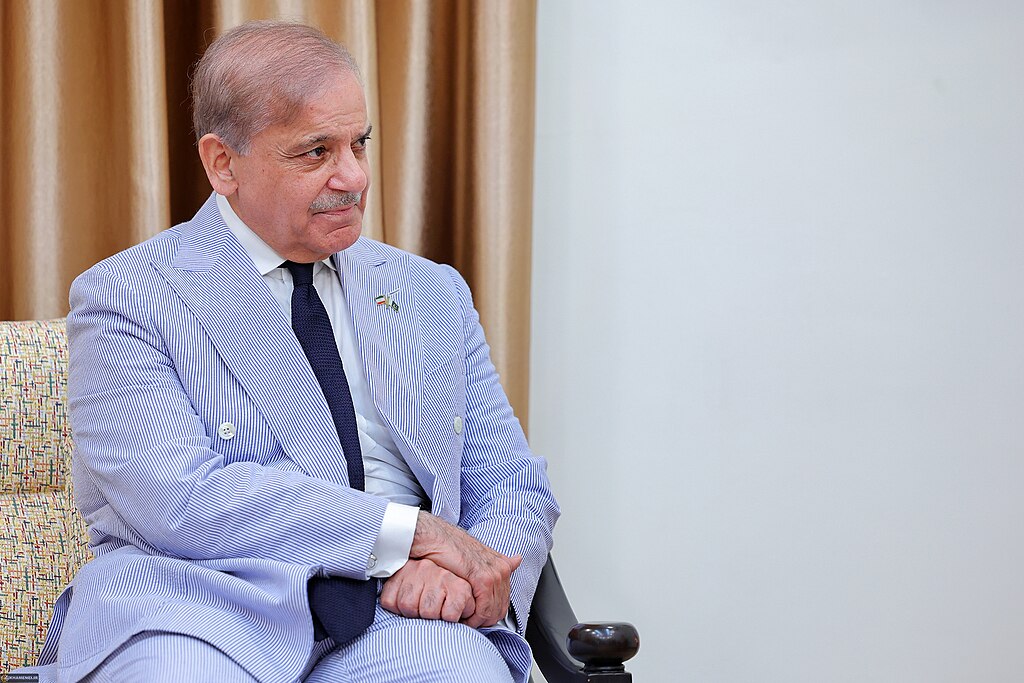
Pakistani Prime Minister Shehbaz Sharif has formally requested U.S. President Donald Trump to grant a two-week extension to his deadline for Iran, as American and Israeli military strikes on Iran intensified entering the sixth week of the conflict. The appeal comes amid growing international alarm over the ongoing war's devastating humanitarian and economic consequences.
In a post on X, Sharif called on Trump to pause military pressure and urged Iran to reopen the Strait of Hormuz for a corresponding two-week period as a goodwill gesture, arguing that diplomacy needed more time to produce meaningful results. A senior Iranian official subsequently told Reuters that Tehran is positively reviewing Pakistan's ceasefire proposal, while the White House confirmed Trump is aware of the request and a response is forthcoming.
Trump had previously issued a stark ultimatum, warning Iran that failure to lift its blockade of Gulf oil by 8 p.m. EDT would result in U.S. destruction of Iranian bridges and power plants. In a social media statement that rattled global leaders, Trump warned that "a whole civilization will die tonight" if no agreement was reached, signaling the extreme stakes surrounding the standoff.
The closure of the Strait of Hormuz — a critical chokepoint through which roughly one-fifth of the world's oil and gas flows — has triggered the worst energy supply disruption in modern history, sending shockwaves through global markets and economies.
Pakistan, which has emerged as the primary diplomatic intermediary between Washington and Tehran, continues to push for a negotiated resolution. Pakistani Foreign Minister Mohammad Ishaq Dar held emergency calls with his counterparts from Turkey, Egypt, and Saudi Arabia as the deadline approached. However, earlier reports indicated that U.S.-Iran talks were jeopardized following Iranian strikes on Saudi Arabian industrial targets, leaving a breakthrough still uncertain.