


 Asian Stocks Fall as Bond Yields and Oil Prices Surge
  Nvidia China Chip Sales Report Sends Chinese Semiconductor Stocks Lower
  BOJ Set for 25-Basis-Point Rate Hike as Yen Weakness Fuels Inflation
  RBA Hikes Interest Rate to 4.60% as Inflation Risks Rise
  BOJ Flags Import Costs and Yen Shocks as Persistent Inflation Risks
  South Korea Exports Set for 16th Monthly Gain on AI Chip Demand
  Gold Plunges 4% as Treasury Yields Surge and Fed Rate Hike Bets Rise
  Trump Eyes $54 Billion South Korean Investment in Alaska LNG
  Oil Prices Slide as Middle East Flows Recover
  Gold Rebounds as Oil Falls and Treasury Rout Eases
  Fed’s Williams Signals One More Rate Hike Before Year-End
  Asian Currencies Weaken as Dollar, Oil Prices Rise
  ECB May Stop Rate Hikes After December, Capital Economics Says
  US Alcohol Ban Exposes Canada’s Internal Trade Barriers
  China Cuts Tariffs on U.S. Farm Goods but Excludes Soybeans


 Add as a preferred source on Google
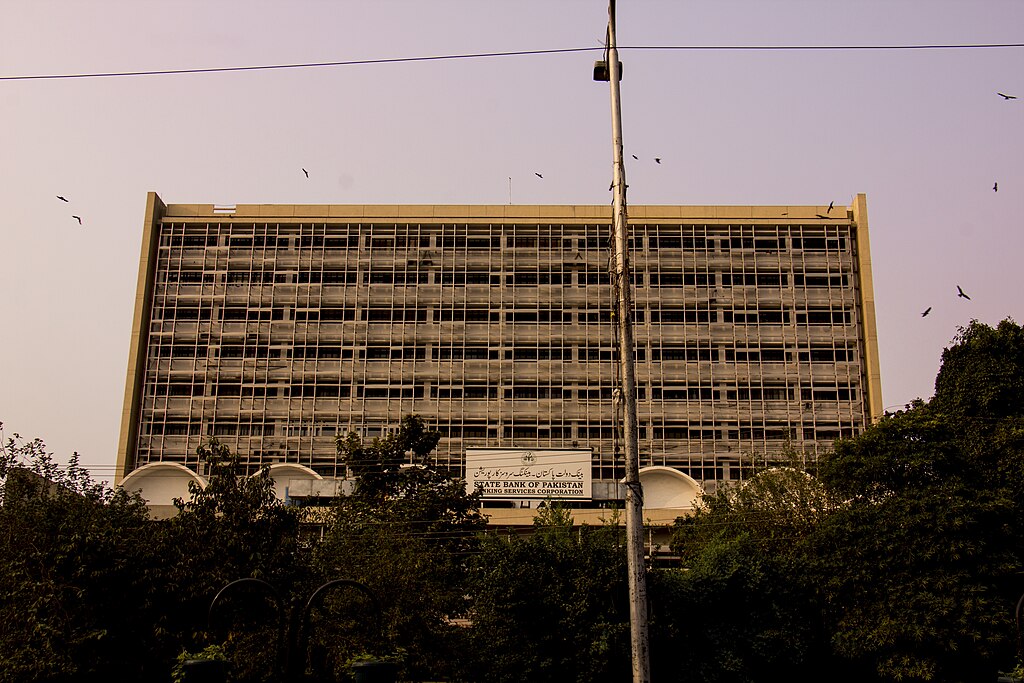
Pakistan’s central bank is likely to keep its key interest rate steady at 11% during its upcoming policy meeting, according to a Reuters poll. All 10 analysts surveyed expect the State Bank of Pakistan (SBP) to maintain the current rate, as recent floods and trade disruptions have reignited inflationary pressures, limiting the potential for further monetary easing.
Analysts say that widespread flooding in Punjab and border closures with Afghanistan have severely affected the supply of essential goods such as tomatoes and apples, driving up prices. “An elevated inflation reading in September, reflecting the impact of floods, will likely persuade the Monetary Policy Committee to hold rates,” said Fawad Basir, head of research at KTrade. He added that the next rate cut may come in the last quarter of fiscal year 2026, starting July 2026.
The floods in August devastated farmland and industrial zones, killing more than 1,000 people and displacing around 2.5 million. Meanwhile, Pakistan’s headline inflation rate rose to 5.6% year-on-year in September, up 2% from the previous month. The SBP had already cautioned that flood-related damages could push inflation above its 5%–7% target.
While easing inflation earlier this year allowed room for rate cuts, the SBP is now expected to proceed cautiously. “Lower global oil prices and reduced flood risks have improved short-term inflation prospects, but last year’s low base will likely lift upcoming readings,” noted Amreen Soorani of Al Meezan Investments. She added that the SBP aims to maintain a real interest margin of around 300 basis points, leaving limited scope for immediate cuts.
Since June 2024, the central bank has reduced rates by a total of 1,100 basis points from a peak of 22%, with the last 100-bps cut made in May. Analysts expect the SBP to continue its cautious policy stance as it balances inflation risks with economic recovery efforts.







