Pakistan is emerging as a key global mediator in efforts to end the ongoing U.S.-Iran conflict, leveraging its unique position as a trusted contact for both Washington and Tehran. This diplomatic role could elevate Pakistan's international standing to levels unseen since it helped facilitate the secret back-channel communications that preceded Nixon's historic 1972 visit to China.
Islamabad's credibility as a neutral broker stems from maintaining active ties with both the United States and Iran at a time when most countries have severed such channels. Unlike Gulf states such as Qatar, Pakistan hosts no U.S. military bases, lending it a degree of perceived neutrality that makes it attractive to Tehran as a go-between. Additionally, Pakistan's embassy in Washington has hosted Iran's de-facto diplomatic mission since the two nations broke off relations in 1979.
The relationship between Pakistan and the Trump administration has been carefully cultivated over more than a year. Army chief Field Marshal Asim Munir met with Trump in Davos, while Pakistan has participated in crypto deals tied to the Trump family and signed agreements involving U.S. envoy Steve Witkoff. These moves reflect a calculated strategy to rebuild trust after years of strained ties.
Pakistan also has strong personal stakes in ending the conflict. Home to the world's second-largest Shia Muslim population, the country saw widespread unrest following U.S. and Israeli strikes that killed Iran's Supreme Leader in late February. Fuel supply disruptions and the risk of regional instability spilling across its borders have intensified Islamabad's urgency.
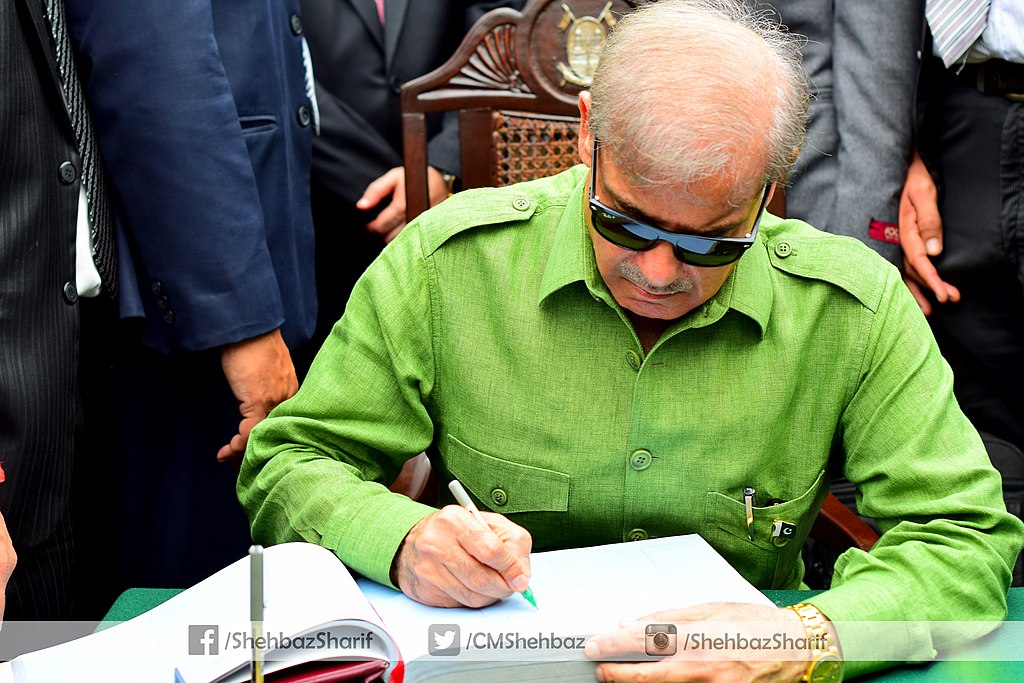
Pakistani officials have reportedly passed multiple messages between U.S. and Iranian authorities, with Prime Minister Shehbaz Sharif confirming an offer to host formal negotiations. U.S. Vice President JD Vance, envoy Steve Witkoff, and Jared Kushner are expected to participate, signaling serious high-level engagement.