Panasonic Holdings, a key supplier for Tesla, has recently announced a significant reduction in automotive battery production in Japan during the third quarter.
This decision comes as the company adjusts its annual profit forecast for the energy division responsible for batteries for Tesla and other automakers.
The adjustment reflects a broader global slowdown in electric vehicle (EV) sales, highlighting weaker growth in major economies such as China and Europe.
North American Market Shift Influences Battery Production
According to Panasonic's presentation material, the battery unit's production in Japan has been impacted by the slowing uptake of high-end EVs in North America.
This can be attributed, in part, to changes in consumer demand following the introduction of the U.S. Inflation Reduction Act, as per Reuters.
However, despite this slowdown, Panasonic reassures steady production at its North American operations, accompanied by firm sales of vehicles eligible for tax credits.
EV Market Trends and Industry Response
ZBR reported that Panasonic has revised its full-year operating profit forecast for the energy unit, lowering it to 115 billion yen ($769 million) from 135 billion yen.
This adjustment is necessary to adapt to rapidly declining demand and maintain an appropriate inventory level. The reduced uptake of high-end EVs in North America, influenced by changes in consumer demand following the introduction of the U.S. Inflation Reduction Act, has negatively impacted the production of battery units in Japan.
A Pivotal Moment for the EV Market
The reduction in battery production and the revision in profit forecast by Panasonic, along with caution displayed by other industry leaders, reflects a pivotal moment for the EV market.
Complex factors such as economic uncertainties, evolving consumer demands, and global trends in EV sales contribute to the need for adaptability and strategic decision-making.
Industry players will continue to face challenges in the near future, making it imperative to navigate this landscape with resilience and proactive strategies.
Adapting to Evolving Industry Dynamics
Panasonic's decision to reduce battery production and adjust profit forecast is a testament to the rapidly shifting EV market dynamics. As the industry experiences a global slowdown, companies must carefully assess demand, manage inventory, and make strategic adjustments to maintain profitability.
The caution exhibited by major players like Panasonic, LG Energy Solution, and General Motors emphasizes the importance of resilience and agility in this dynamic landscape.
Moving forward, companies must stay attuned to market trends and consumer demands, ensuring they can effectively navigate the evolving EV industry. These strategic decisions underline the need for companies to navigate the evolving landscape of the EV market.
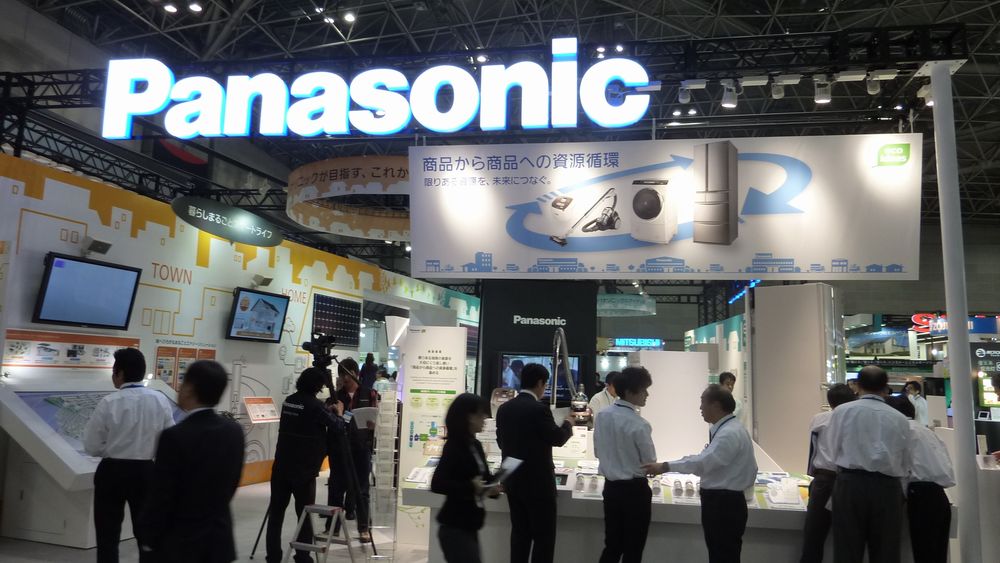
Photo: Panasonic Newsroom Global