


 Flavio Bolsonaro Surges as Family Scores Brazil Election Comeback
  Mexico Seeks US Evidence After Border Gunfire Claim
  US DOT Ends Airline Privacy Review Without Enforcement
  Flavio Bolsonaro, Lula Head to Brazil Election Runoff
  OpenAI, Anthropic Back Mandatory AI Breach Reporting in Australia
  Trump Envoy Meets Sudan Army Chief in Egypt
  Trump Offers US Help to Russia After Plague Lab Worker Dies
  Becton Dickinson to Invest $3 Billion in U.S. Medical Manufacturing
  Flavio Bolsonaro, Lula Head to Brazil Presidential Runoff
  Ethiopia-Tigray Fighting Intensifies as Airstrikes Kill 17
  Russian Bombs Kill Six, Injure Nearly 60 in Kharkiv
  US Caribbean Vessel Strike Kills Four
  India-US Trade Deal Talks Hit Plateau, Sitharaman Says
  Trump Gaza Peace Plan Stalls as Israel Retains Control
  Trump Plans Diesel Tax Relief as Fuel Prices Hit Record Highs
  New York Declares Measles Disaster Emergency as Cases Surge
  California Woman Arrested Over Alleged Spying on Taiwan President’s Son


 Add as a preferred source on Google
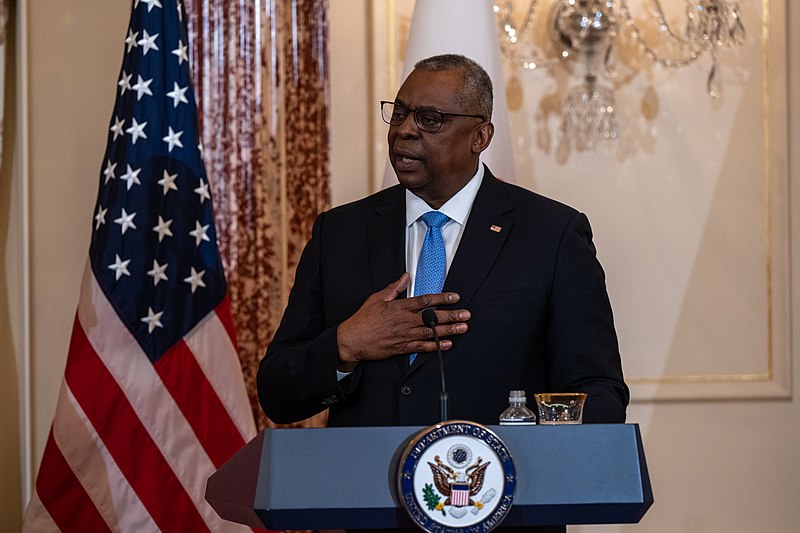
US defense secretary Lloyd Austin expressed doubt that the Chinese military activities being conducted in the Taiwan Strait were a sign of an imminent invasion of Taiwan. This comes amidst signs of increased incursions and military drills near the island nation.
During a press conference with Secretary of State Antony Blinken and their Japanese counterparts on Wednesday, Austin expressed doubt that the recent activities by China meant that an invasion was imminent. China claims the democratically-governed island as its territory and has not ruled out using military force to seize Taiwan.
“We’ve seen increased aerial activity in the straits, we’ve seen increased surface vessel activity around Taiwan,” said Austin. “But whether or not that means that an invasion is imminent, I seriously doubt that.”
The United States is Taiwan’s largest military arms supplier and is legally bound to do so despite protests from Beijing. China has also criticized visits to the island by officials from foreign governments, ramping up military activities since August last year following the visit by US House Speaker Nancy Pelosi.
Taiwanese President Tsai Ing-wen Tuesday called on the world’s democracies to unite while urging Germany to help maintain “regional order” during her meeting with senior German lawmakers who visited the island this week.
Tsai referenced December’s announcement by Taipei that the compulsory military service for Taiwanese citizens would be extended to one year to boost the island’s defense capabilities and reinforce the resolve to defend the nation.
Germany has no formal diplomatic relations with Taiwan like most countries. However, Berlin is working on a new plan that would review its relations with China in an effort to reduce its dependence on them. German parliamentary defense committee head Marie-Stack Zimmerman told Tsai that Germany and Taiwan are friends.
During the visit, Zimmerman was pressed on whether Germany would provide Taiwan with arms as it has done with Ukraine. Zimmerman said the situation on the island was different compared to the ongoing war and that Berlin would not be arming Taiwan.
“The situation here is a different one. Our role is less military here. It’s an economic question,” said Zimmerman.







