Bangladesh is heading into what many describe as its most competitive national election in more than a decade, marking a dramatic reversal of political fortunes after years of one-party dominance. For 15 years under former Prime Minister Sheikh Hasina, opposition parties were largely absent from the streets and ballot boxes, sidelined by boycotts, arrests, and allegations of rigged polls. Now, as voters prepare to cast their ballots on February 12, the political landscape has been completely reshaped.
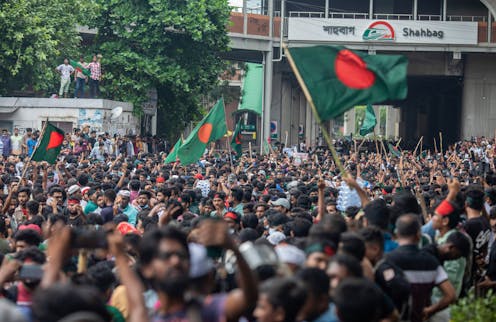
Hasina’s Awami League, once the most powerful force in Bangladeshi politics, is banned following her ouster in a 2024 uprising that plunged the country into months of unrest. Many young people who played a central role in that movement say the upcoming vote could be the nation’s first genuinely competitive election since 2009. The Bangladesh Nationalist Party (BNP) is widely expected to emerge as the largest party, contesting 292 of the 300 parliamentary seats, with party leader Tarique Rahman expressing confidence in forming the next government.
However, the race is far from settled. A coalition led by Islamist party Jamaat-e-Islami, once banned and long controversial for its stance during Bangladesh’s 1971 independence war, is mounting its strongest electoral challenge yet. Adding a new dynamic is a Gen-Z-driven party aligned with Jamaat after failing to convert its anti-Hasina street activism into broad electoral support. With Generation Z making up roughly a quarter of the electorate, analysts say young voters could decisively shape the outcome.
The election is seen as critical for restoring stability in a country of 175 million people still recovering from political turmoil, economic strain, high inflation, and disruptions to key industries like garments, the world’s second-largest apparel export sector. Corruption and rising living costs rank as top concerns among voters, according to recent surveys, with many drawn to Jamaat’s reputation for cleaner governance rather than its religious ideology.
Beyond domestic politics, the vote carries major geopolitical implications. China’s influence in Bangladesh has grown as India’s has waned since Hasina, viewed as pro-India, fled to New Delhi. While the BNP is seen as relatively balanced toward India, a Jamaat-led government could tilt closer to Pakistan and China, reshaping regional dynamics in South Asia.
For first-time voters like 21-year-old Mohammad Rakib, the hope is simple: a future where Bangladeshis can vote freely, speak openly, and finally feel heard after years of political silence.