


 European Stocks Rise as Oil Prices Fall Ahead of US CPI
  Parasites are ecological dark matter – and they need protecting
  Ethereum Foundation-Linked Wallets Move $11.13M in ETH to Kraken
  Samsung, SK Hynix Shares Plunge as China Chip Competition Grows
  Morgan Stanley Predicts $10 Trillion RWA Market by 2030
  Orsted to Take Full Ownership of UK Offshore Wind Farm for £15 Million
  How to create a thriving forest, not box-checking ‘tree cover’
  Binance to Shut Down Crypto Mining Pool Services on November 10
  GesiaPlatform Launches Carbon-Neutral Lifestyle App ‘Net Zero Heroes’
  How America courted increasingly destructive wildfires − and what that means for protecting homes today
  Fungi are among the planet’s most important organisms — yet they continue to be overlooked in conservation strategies
  Fed's Hammack Urges Faster Rate Hikes to Fight Inflation
  Swimming in the sweet spot: how marine animals save energy on long journeys
  Nasdaq Falls as Oil Prices Surge Ahead of Bank Earnings


 Add as a preferred source on Google
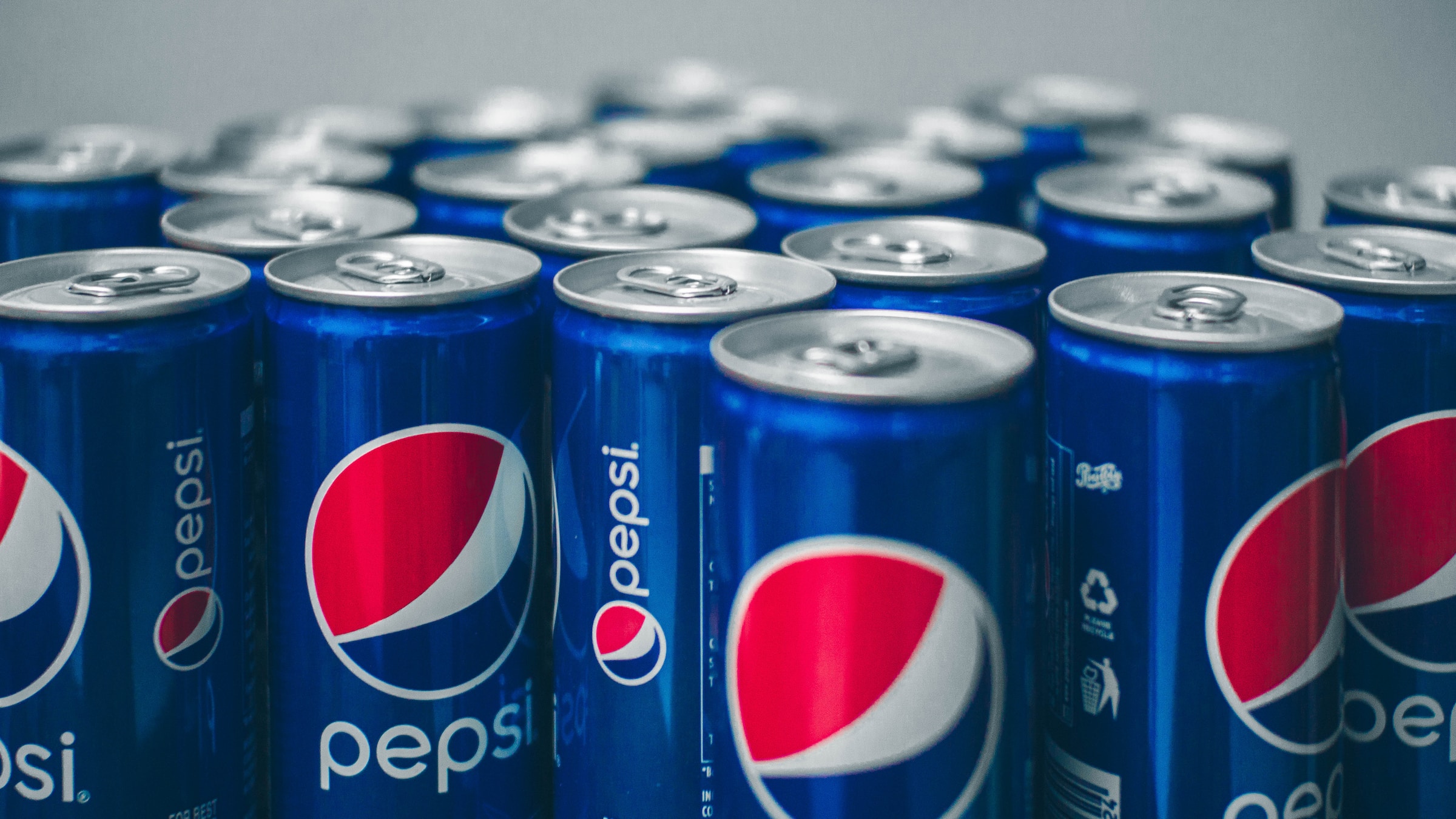
PepsiCo has inaugurated a €222.6 million state-of-the-art facility in Swiatem, Poland, touted as the beverage giant's most environmentally sustainable and innovative plant in the European Union. The facility showcases advanced production lines, an extensive recycling system, and significant steps toward achieving zero net emissions.
The €222.6 million facility, the beverage giant's fifth production plant, consists of three technologically advanced, energy-efficient production lines.
Of the amount, PepsiCo allocated 28.2 million for environmental solutions. Sixty percent of the building's total heat requirement is met by the three megawatts of power provided by the production lines. In addition, a 3.2-megawatt electric steam boiler that greatly lowers the facility's carbon footprint also produces energy.
Two lines will produce 12,500 packets of Lay's potato chips per hour, while a third will produce 30,000 packs of Doritos nachos. The brand will be produced in Poland. The plant uses 100% of the biogas generated from natural resource-based product production and a heat recovery system from potato frying.
PepsiCo added that it would continue to invest in environmentally friendly solutions for the facility, including wind turbines, a decentralized biogas plant that utilizes leftover biomass, and the expansion of the treatment plant to produce biofertilizer. The company said it aims for the facility to achieve zero net emissions by 2035.
According to PepsiCo, the facility also uses an above-ground tank to collect and recover rainwater for recycling. This process entails purifying and desalting the collected rainwater in a nanofiltration system for use in technological processes, like the cooling cycle, and then releasing it back into the atmosphere.
Water from potato cutting, which is used for the first potato rinse, and hot water from the cooking oil cooling process are two more ways the facility recycles water. Chillers, an absorption technology that converts heat from the environment into cold air to ventilate the production space, are another environmentally beneficial water resource that the facility has implemented, according to PepsiCo.
The plant, which will be operational in 2026, contributes to the expansion of the product range and scale of production for 20 European countries.
Silviu Popovici, president of PepsiCo Europe, noted that Poland has great development potential and that they have been investing in the country for 30 years for its strategic importance.
Photo: Ja San Miguel/Unsplash







