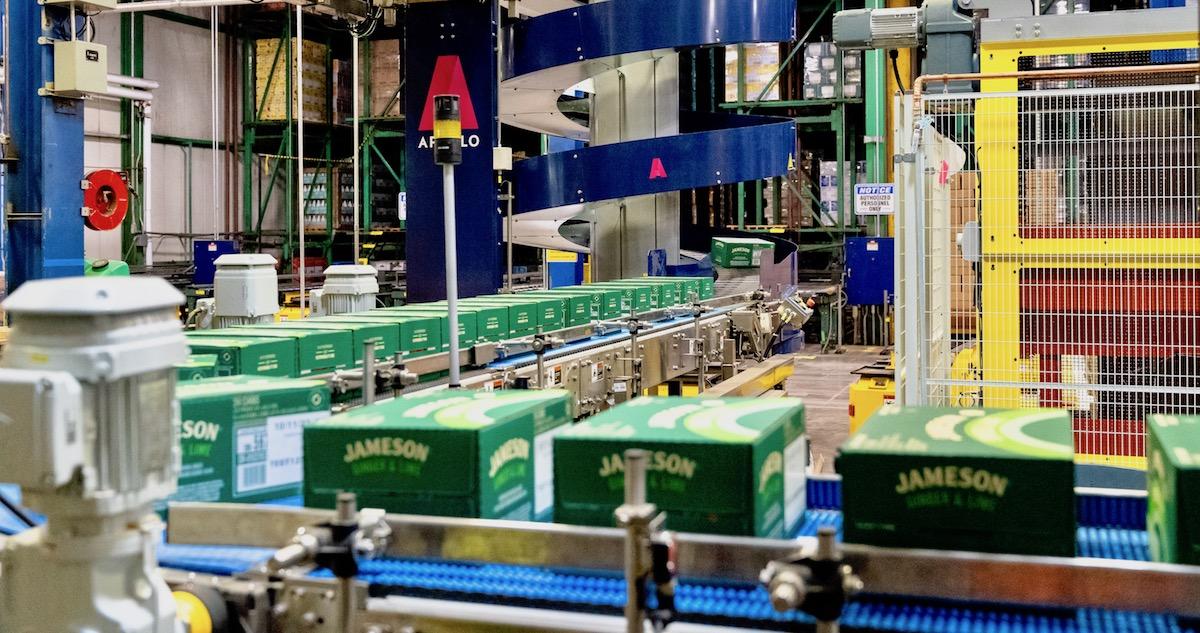
Pernod Ricard has invested $22 million in its first-ever ready-to-drink (RTD) canning line at its Fort Smith plant in Arkansas that would support growth and create more job positions in the area.
According to Pierre Joncourt, senior vice president at Pernod Ricard North America, the high-speed canning line will be instrumental in increasing their production capabilities and swiftly bringing their RTDs to market.
The Fort Smith plant produces several spirits, including Kahlua Coffee Liqueur and Seagram’s Gin.
Pernod says the new canning line and RTD offerings will enable the company to make popular brands more accessible to consumers.
Jennifer Anglin, senior operations director for the Fort Smith plant, noted that the canning line expansion will allow them to produce more spirits across their brand portfolio and create many jobs to keep up with demand.



Xiaomi Shares Drop After Weak Q1 Earnings Amid Rising Smartphone Costs
European Stocks Rise as AI Optimism Offsets U.S.-Iran Tensions
Toshifumi Suzuki, Founder of Seven-Eleven Japan, Dies at 93
The ghost of Robodebt – Federal Court rules billions of dollars in welfare debts must be recalculated
6 simple questions to tell if a ‘finfluencer’ is more flash than cash
Why a ‘rip-off’ degree might be worth the money after all – research study
The American mass exodus to Canada amid Trump 2.0 has yet to materialize
Canada and Germany Advance Major LNG Supply Partnership
ECB’s Philip Lane Warns Middle East Conflict Could Keep Inflation Elevated
Booked to travel through the Middle East? Here’s why you shouldn’t cancel your flight
Why have so few atrocities ever been recognised as genocide?
Mega IPOs Like SpaceX and OpenAI Could Reshape S&P 500 and Nasdaq 100 Portfolios in 2026
Australia Sues 3M for Over A$2 Billion Over PFAS Firefighting Foam Contamination
NIO CEO Says China’s Auto Industry Has Passed Its Golden Era Amid Weak Car Sales
Disaster or digital spectacle? The dangers of using floods to create social media content
Debate over H-1B visas shines spotlight on US tech worker shortages 


