


 Elon Musk Accuses Indian Telecom Giants of Blocking Starlink Launch
  LG Electronics Shares Slide as Q3 Profit Misses Estimates
  SpaceX Seeks $40 Billion for Nvidia AI Chips
  Apple Cuts iPhone 18 Pro Production Orders Amid Weak Demand
  TSMC Q3 Revenue Beats Estimates as AI Chip Demand Surges
  Jameson Lopp Downplays AI Threat to Bitcoin Cryptography
  Broadcom, Oracle and SpaceX Seek Billions in Private Debt for AI Expansion
  Anthropic Launches Claude Dashboards and Motion AI Tools
  DogecoinVM Makes DOGE Transactions 300x Faster
  TikTok Accused of Testing Fake Safety Tools on Users
  Zcash Plans Quantum-Resistant Security Upgrade for January
  Florida Seeks Tougher Meta Rules to Protect Young Users
  Zcash Privacy Demand Rises as AI Exposes Bitcoin Transactions
  OpenAI Annualized Revenue Hits $50 Billion, Below Earlier Estimates
  Apple Names Steve Smith M&A Chief in Leadership Shakeup
  Solidigm Taps Goldman, Morgan Stanley for $10 Billion US IPO
  Tencent Shares Fall as $5 Billion AI Bond Sale Weighed


 Add as a preferred source on Google
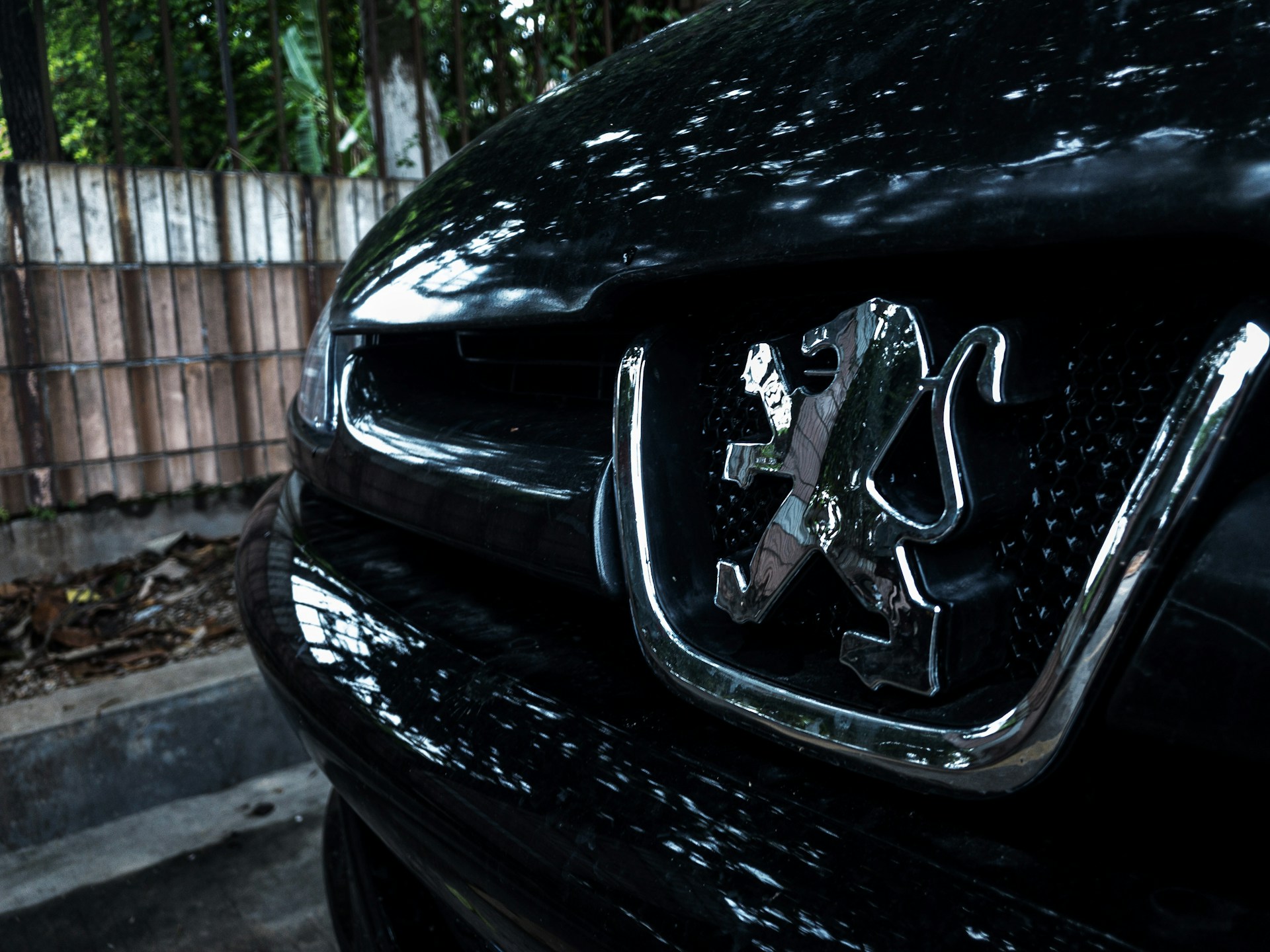
Stellantis opens new tab Peugeot intends to employ ChatGPT to improve the voice assistant in its cars and vans, the French firm announced on Tuesday, following rivals such as Volkswagen and Mercedes-Benz in utilizing the popular artificial intelligence chatbot.
Stellantis' Peugeot Automobiles Will Employ ChatGPT To Speak With Drivers
Peugeot will debut a test version of the ChatGPT service, which can link to vehicle controls and answer various general or navigation-related queries, in five nations on Wednesday: France, the United Kingdom, Germany, Italy, and Spain. The service is set to become standard equipment this year.
Last year, Mercedes-Benz opened a new tab and began a trial in the United States allowing drivers to use ChatGPT, claiming it would help them offer more natural responses and deal with inquiries ranging from route specifics to meal recommendations, as per Reuters.
Volkswagen announced earlier this month that ChatGPT would be included in its voice assistant by mid-year to allow for interactive communication with drivers.
Peugeot also announced a new eight-year warranty for the e-3008, up from the normal two-year warranty on its automobiles, in an effort to entice more drivers to switch to electric vehicles.
Volkswagen Vehicles Will Communicate With Drivers Using ChatGPT By Mid-year
To recall, Volkswagen launched a new tab voice assistant that integrates ChatGPT into its vehicles. By the middle of the year, the assistant will be able to communicate with customers in a back-and-forth discussion.
At the CES electronics trade show, Volkswagen unveiled its first vehicles with ChatGPT. These will be available to customers in North America and Europe in the early second quarter of this year.
According to executives from Volkswagen and Cerence, who partnered with Volkswagen on the technology, the AI can recognize and respond to a range of demands, from raising the temperature when it hears "I'm feeling cold" to showing the nearest Indian restaurant when it hears "I want butter chicken."
Customers may now alter vehicle functions without touching a button, according to Kai Gruenitz, a Volkswagen brand board member for technical development, who spoke to Reuters on the sidelines of the CES trade fair.
Critics argue that while adding generative AI to vehicles is a step forward from current interactions, it falls well short of the AI leap predicted a few years ago, particularly with completely autonomous vehicles. Automobile manufacturers disagree.
Volkswagen claimed to be the first volume manufacturer to include the technology as standard in its compact category vehicles. In March, General Motors said that it was developing a virtual personal assistant using the AI models behind ChatGPT.
In June, Mercedes-Benz conducted a pilot program in which about 900,000 vehicles equipped with the automaker's "MBUX" system were able to download ChatGPT. The goal was to allow users to make movie or restaurant reservations while driving.







