


 Fed Unveils Stablecoin Rules Under GENIUS Act
  BOJ Set for Rate Hike as Inflation and Yen Pressure Mount
  Asian Currencies Mixed as Yen Weakens, RBA Hike Looms
  Fed’s Williams Signals One More Rate Hike Before Year-End
  Asian Currencies Weaken as Dollar, Oil Prices Rise
  Japanese Yen Retreats as Dollar Rises Ahead of Fed, BOJ Rate Decisions
  Japan Factory Output Unexpectedly Falls 1.7% in August
  US Alcohol Ban Exposes Canada’s Internal Trade Barriers
  ECB May Stop Rate Hikes After December, Capital Economics Says
  US Stocks Slip as Treasury Yields Ease, AI Trade Rebounds
  Yen Sinks as BOJ Rate Hike Fails to Impress Markets
  Gold Plunges 4% as Treasury Yields Surge and Fed Rate Hike Bets Rise


 Add as a preferred source on Google
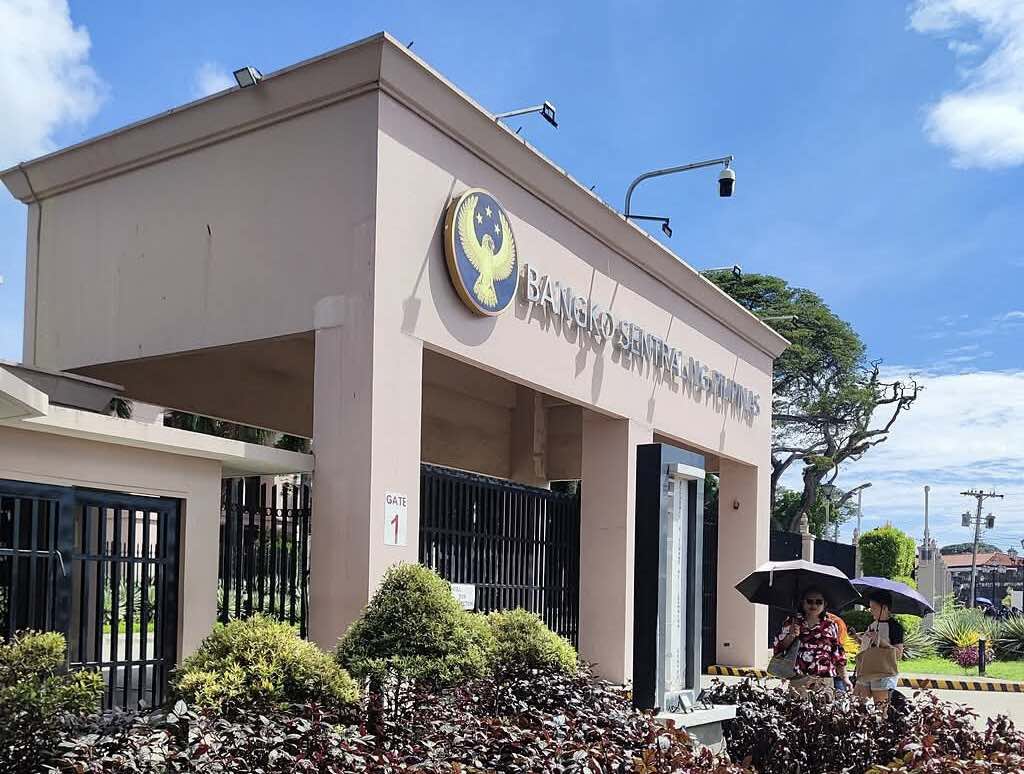
The Bangko Sentral ng Pilipinas (BSP) is expected to keep interest rates at their current levels after inflation accelerated in December while economic growth showed signs of slowing, according to BSP Governor Eli Remolona. The Philippine central bank’s stance reflects a cautious approach as it balances inflation risks with the need to support economic activity.
Latest data from the Philippine Statistics Authority showed inflation rose to 1.8% in December, the fastest pace in nine months, driven mainly by higher food and clothing prices. This marked an increase from the 1.5% inflation rate recorded in November. On a month-on-month basis, consumer prices climbed by 0.9% in December, the sharpest increase since September 2023. Despite the recent uptick, average full-year inflation for 2025 stood at 1.7%, the lowest level since 2016, suggesting overall price pressures remain relatively contained.
Governor Remolona noted that Philippine economic growth may have slowed to 4.6% in 2025, down from 5.7% in the previous year and below the government’s revised growth target. He said that, based on current data, the BSP is unlikely to cut interest rates further in the near term. While the central bank is close to its desired policy rate level, Remolona acknowledged there remains a possibility of limited additional easing if economic growth falls below 5%.
The Philippine government has recently lowered its growth outlook to 5%–6% for the year and 5.5%–6.5% for 2027, citing global economic headwinds and external risks. These challenges have added pressure on policymakers to carefully calibrate monetary policy.
The BSP reduced its benchmark interest rate for five consecutive meetings last year, bringing the policy rate to a three-year low of 4.5%. Since August 2024, the target reverse repurchase rate has been cut by a total of 200 basis points. However, the central bank has indicated that its easing cycle is nearing an end and that any further policy adjustments will depend on incoming economic data.
The BSP’s next monetary policy meeting is scheduled for February 19, when officials will reassess inflation trends, growth prospects, and global economic conditions before deciding on the future path of interest rates.







