TORONTO, July 27, 2016 -- The temperature isn't the only thing rising during summertime – so is outdoor water use. And water waste.
|
|||||
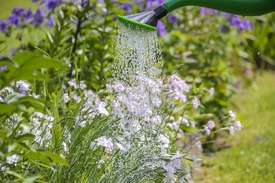
Homeowners typically use 30 to 70 percent of their water outdoors, depending on the region.
Unfortunately, not all of that water winds up where we intend. Experts estimate that 50 percent of the water we use outdoors goes to waste from evaporation, wind, or runoff due to overwatering.
Plastics Can Make Watering More Efficient
Fortunately, some water saving technologies made possible by plastics can deliver water more precisely – while maintaining or transforming yards and gardens.
• Drip Irrigation Systems: Drip irrigation systems use thin, flexible drip tubing—typically made with polyethylene plastic—that is laid on the ground near plants. Water is meted out from tiny holes in the tubing. A much more precise method than typical sprinklers, drip irrigation can reduce evaporation and runoff and deliver water more directly to plants' roots. Due to polyethylene's flexibility, drip irrigation systems can be used for irrigating irregularly shaped or narrow areas and shaped to the contours of landscaped areas.
• Plastic Soaker Hoses: A plastic soaker hose – typically made with polyvinyl chloride plastic (PVC, or vinyl) – delivers water conservatively to roots and plants. The plastic hose is filled with water that then seeps through thousands of tiny holes along the length of the hose, allowing for efficient watering. Gardeners often layer mulch over the plastic hose to further focus the water on the roots.
Plastics Catch Water from the Sky
• Rain Barrels: A homeowner can source water from the roof with plastic rain barrels, large, durable containers that can last a long time in harsh outdoor elements. They're typically made of vinyl or polyethylene – and even recycled plastics. The barrels collect and store rain from a home's gutters – the rain later can be used to water outdoor areas. Plastic rain barrels can reduce your home's overall water use, which can help you reduce money spent on monthly water bills—so they can be environment- and budget-friendly.
Water-Saving Lawns and Play Areas
Some homeowners are taking water conservation a step further by eliminating all or parts of their lawn, replacing it with innovative landscapes made with plastics that require little or no water. For example...
• Synthetic Lawns: Modern synthetic (plastic) grass and lawns are nothing like the flat carpeting of yesteryear. Similar to synthetic turf in sports stadiums that has been used for decades, the individual blades of grass are made from plastics such as polyethylene, polypropylene and nylon – even recycled plastics – that mimic the soft but sturdy texture of natural grass. The plastic turf eliminates the need for watering, although homeowners may use a hose to clean them occasionally.
• Playground Rubber Mulch: Did you know that 70 percent of rubber used in tires today is synthetic rubber – that is, plastic? Rubber mulch typically is made from worn out, unusable tires that are chopped into cushioning mulch or reformatted into durable mats. The material provides a soft surface for play areas that requires little maintenance, is made from recycled plastics, and needs no watering – all of which lighten the environmental load of this lawn option.
What about the Pool?
• Pool Covers: Evaporation can rob pools of lots of water. Plastic pool covers—made with plastics, such as polyethylene, polypropylene, or vinyl—provide a barrier between the water and air to help reduce water lost to evaporation. Some plastic pool covers even act as electricity-free solar water heaters by trapping heat from the sun, much like a greenhouse. So plastic pool covers can help save both pool water and heating costs.
Today's intelligent plastics are vital to the modern world. These materials enhance our lifestyles, our economy and the environment. For more information visit www.intelligentplastics.ca.
A photo accompanying this release is available at: http://www.globenewswire.com/newsroom/prs/?pkgid=40936
CONTACT: Darlene Gray
         Canadian Plastics Industry Association
         905.678.7748 ext. 239