


 India-US Trade Deal Talks Hit Plateau, Sitharaman Says
  California Woman Arrested Over Alleged Spying on Taiwan President’s Son
  US Caribbean Vessel Strike Kills Four
  Russia Strikes Kyiv Bridge as Ukraine Infrastructure Attacks Escalate
  Nicaragua Withdraws From Central American Parliament
  Japan Protests to US After Marine Arrested in Okinawa Murder Case
  Flavio Bolsonaro, Lula Head to Brazil Presidential Runoff
  Flydubai FZ1073 Co-Pilot Accused of Terror Attack
  Ukraine to Intensify Strikes on Russian Oil Refineries
  G20 Divided Over US Push to Curb Industrial Overcapacity
  Trump Says Iran War Could End Soon After Midterms
  South Korea Warns Ukraine Over North Korean POW Dispute
  Iran Faces Rising Pressure as U.S. Builds Military Presence
  Ukraine Faces $56 Billion Budget Gap as War Costs Soar
  Tsai Ing-wen to Visit US for Stanford Security Conference
  Iran Plans Stronger Response if US Attacks Resume
  Merz Pledges €1 Billion in Ukraine Aid During Kyiv Visit


 Add as a preferred source on Google
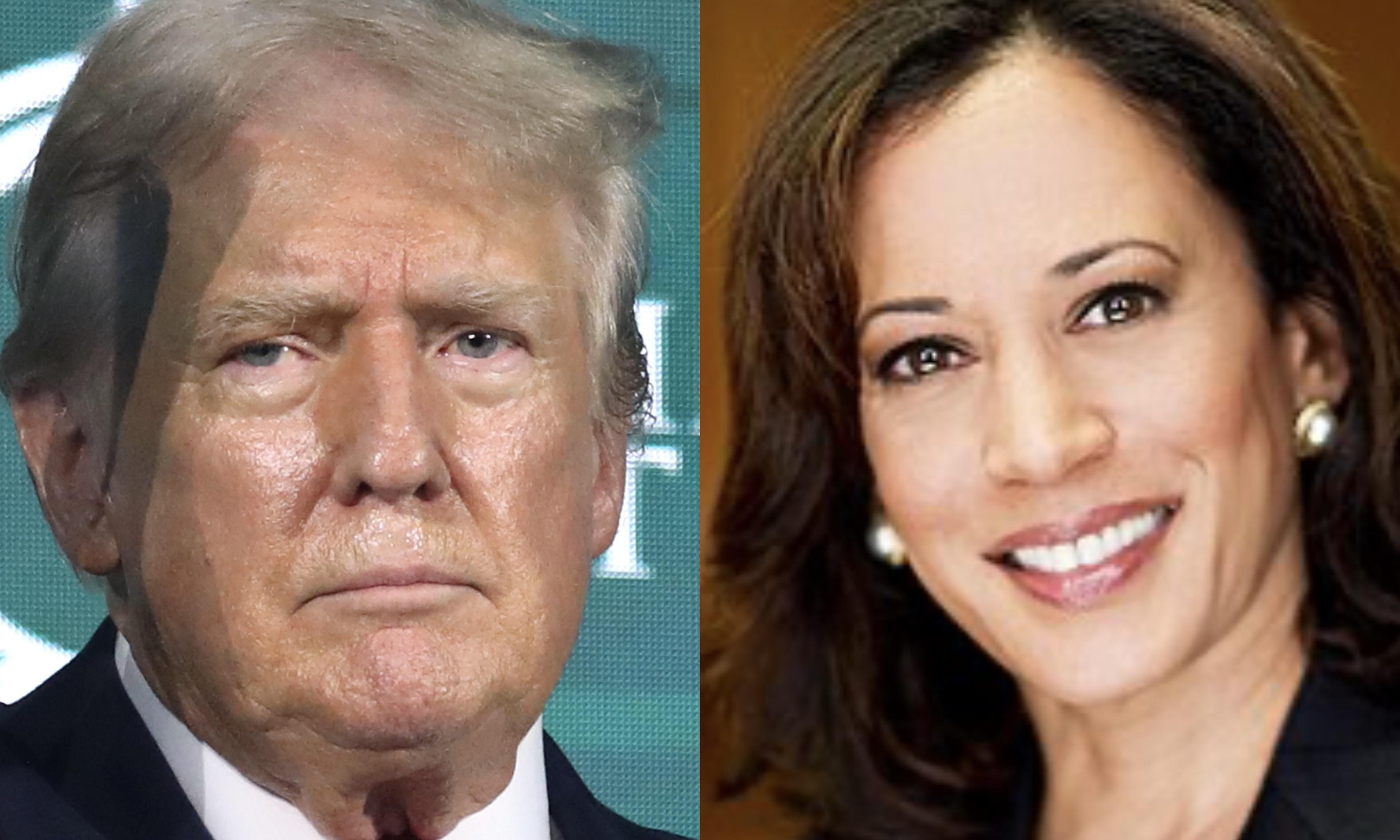
A recent Siena poll is turning heads by showing that 21% of Americans view Donald Trump as the single largest “threat to the U.S.,” with government corruption, immigration, and domestic instability trailing behind in the public’s view of potential dangers. The survey, which asked respondents to describe the most significant threat to the country in just one word, paints a stark picture of the anxieties facing Americans in 2024.
While Trump topped the list with 21%, concerns over “government” came in second at 14%, reflecting what some analysts describe as a pervasive distrust of federal institutions. Immigration, cited by 7% of respondents, landed in third place, emphasizing the role of border security and immigration policy in the national conversation. Terms like “instability” and “Democrats” also made the list, each capturing 5% of the vote, while Vice President Kamala Harris was mentioned by 3% of respondents as a perceived threat.
The results underscore the polarized perspectives across the political spectrum, with Trump standing out as a lightning rod in the public’s assessment of what could destabilize the country. “It’s clear from these numbers that Trump remains a deeply polarizing figure,” remarked political analyst James Waters. “For one-fifth of Americans to call a former president the biggest threat to the country is significant. It suggests a level of division that could impact not only the election but the political discourse in the years to come.”
Those who consider “government” the primary threat are voicing a different but related concern, with public trust in government institutions hovering near historic lows. “For many, the government’s perceived failures in areas such as public health, inflation, and border control have sown seeds of mistrust,” explained Lydia Torres, a Siena pollster. “There’s a feeling among certain groups that the system is not only broken but potentially working against their interests.”
Immigration, consistently a top issue among voters, held the third spot on the list of perceived threats, cited by 7% of participants. Analysts say this reflects broader anxieties about border security and the economic impact of immigration. “There is an ongoing perception that uncontrolled immigration could destabilize communities and place additional strain on government resources,” said political science professor Chris Decker.
Interestingly, Vice President Kamala Harris made the list as well, with 3% of respondents naming her specifically as a potential threat. This, according to pollsters, underscores a narrative that has trailed Harris since her initial rise to the vice presidency. “The vice president is seen by some as symbolic of broader shifts in government policies and ideologies, which remain controversial in certain demographics,” Decker noted.
The Siena poll’s results come at a time when both the Trump and Biden-Harris camps are ramping up their campaigns in anticipation of the 2024 election. Pollsters are now closely watching how these voter perceptions will influence the race’s final days. “With ‘Trump’ and ‘government’ viewed as the top two threats, it’s clear that the election narrative is as much about perceived threats to the nation as it is about policy,” added Waters.
The poll reveals an America grappling with varied yet intense concerns over leadership, government integrity, and social stability. As campaigns reach their final stretch, candidates on both sides may find that addressing these concerns directly could be the key to swaying undecided voters.







