Inflation has been on a steady rise in different parts of the world. The U.S. and the U.K. have been adversely affected too. There have been alarms around consumer prices going around for some time. Rising worries around commodity and producer prices have also increased concerns around inflation.
According to data by the Labor Department, the Consumer Price Index (CPI) in the U.S. rose by 6.8% during November. Another report by Fox Business revealed that energy prices in the country have increased by 33.3% since November 2020. Gasoline prices have soared too — around 58% — impacting the prices of used cars that are now up by 31%. According to Pew Research Center analysis, the U.S. saw one of the highest jumps in inflation in the third quarter of 2021.
The U.K. has been in similar turmoil. According to a Bloomberg report, the country sees the fastest inflation in three decades. The Bank of England has also been under pressure to raise the interest rates following the boom in the labor market.
The rising inflation is impacting most sectors, including the luxury sector. British neuroeconomist Portia Antonia Alexis talks more about the changes inflation is bringing to the luxury market in the U.S. and the U.K.
Question: Let's get on point here. How is the rising inflation impacting the luxury market and its consumers?
Answer: With inflation, there is always a concern around diminishing wealth. And this is one of the reasons why the rich or the privileged class chooses to invest in more hard assets such as gold, cryptocurrencies, and real estate. The thing with soft assets such as luxury goods and accessories is that they lose value when the market is troubled. We have already seen rising prices of goods made in China. The cost of raw materials is increasing due to inflation, resulting in luxury goods becoming more expensive. This will also impact the price dynamics as luxury brands will be forced to increase the prices of the products. Did also this trend where many middle-class consumers will make a transition towards cheaper brands such as Armani Exchange and others. But this is the trend for now. Things might change — hopefully for the better — and pandemic restrictions are lifted.
Question: How did the pandemic-imposed lockdown impact retail luxury in the U.K. and the U.S.?
Answer: Both the U.K. and the U.S. have had profound impacts due to the pandemic and the lockdown. Recent research by Goldman Sachs revealed that the retail sector had significantly underperformed in recent months. Like most parts of the world, retail shuts were shut to contain the pandemic. But things might look up this year, sans the Omicron fear, which still looms large. Omicron fears aside, COVID-19 restrictions are being lifted in both these countries. There are returning consumers and tourists as well. Nonetheless, luxury brands are open to looking at long-term structural growth and downplaying the current trend of disruption in supply chains. The Goldman Sachs report also revealed that there'd be a recovery in 2022, and customers in many regions — primarily Europe — will be open to spending more. They'd be spending even more than they did in 2019. Things could also look up in the U.K. as there have been more savings in wealthier households who are keener in investing in luxury items.
Question: The UK is a large consumer of luxury goods. How is the market fairing now?
Answers: The U.K. saw a significant purchase period in the festival season, but the reality around inflation is hitting the market. There has been considerable pressure around freight costs, a hike in wages for warehouse workers, and an overall increase in the price of raw materials. Looking at specific examples: there's the British luxury brand Burberry. According to a recent report by The Guardian, the company will see its profits growing by 35% compared to last year. However, the sales prices have increased to — around 26% compared to pre-pandemic levels. There's been a mixed response by the market — there are rising prices, but there's also recovery. Customers are keen to spend more.
Question: The U.S., like the U.K., is also a significant purchaser of luxury goods. What specific inflation-relation challenges is the market looking at
Answer: 2020 was terrible for the luxury market, with sales falling as much as 23% — it's the worst decline since 2009. But the U.S. is displaying an inherently strong market trend. It has overtaken Europe to become the largest consumer of luxury goods. Brands are trying to increase their resilience by marketing themselves to second and third-tier cities. Customers are aware of this too and shaping the market — there were four luxury brand queries from the top ten search queries in the U.S. There'd be more to look forward to as the market recovers.
Question: How could the supply chain impact the luxury goods market?
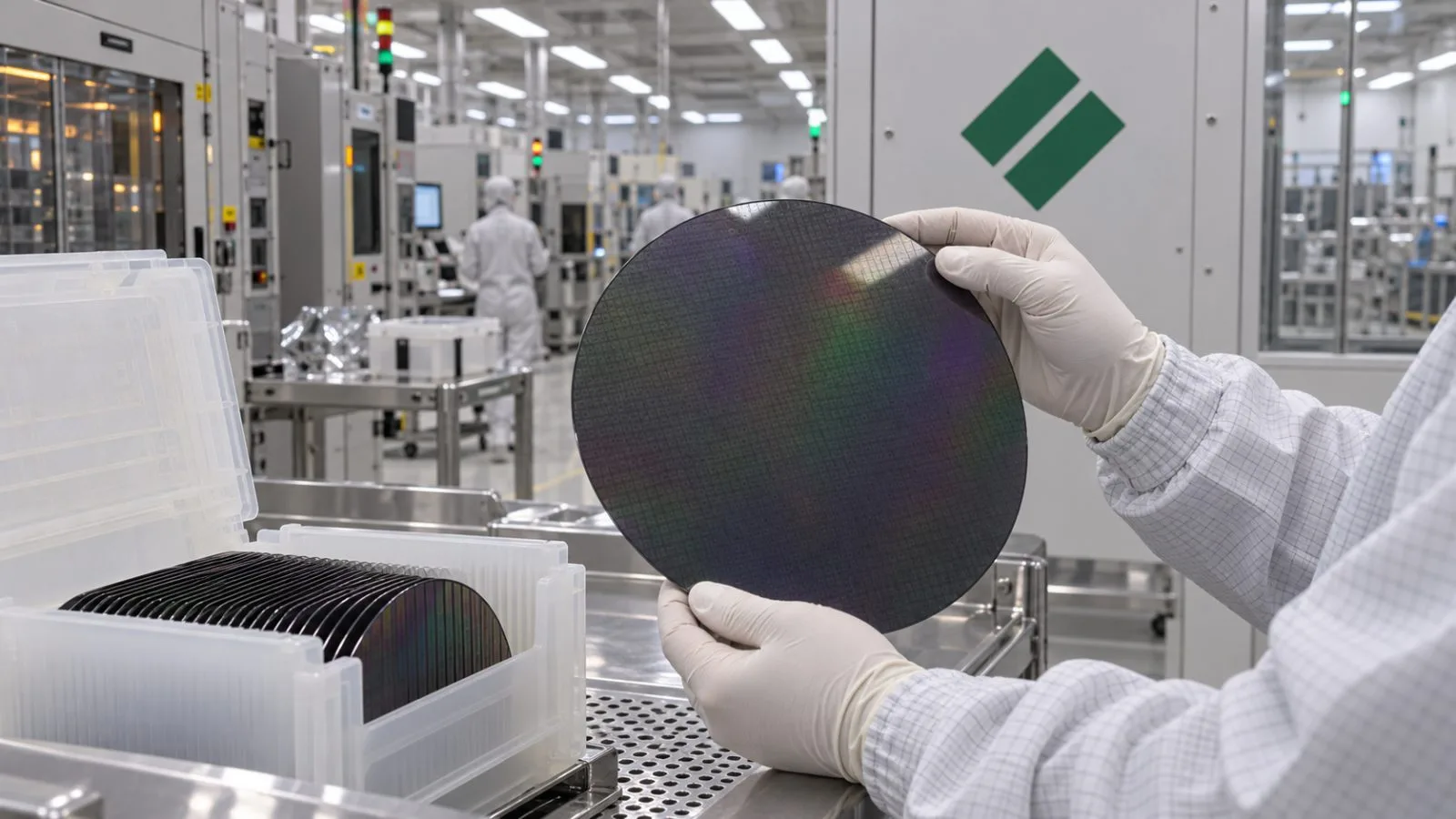
Answer: Luxury retailers and brands have faced several challenges due to the onset of the pandemic, and disruptions in the supply chain have been a significant concern. There have been store closures, cancellation of events, delays in the supply chain and production. For example, over 40% of luxury goods production takes place in Italy, and the country had been severely impacted by the pandemic, with the first wave being quite disastrous. The spot container rates have increased significantly, and companies are using air freight to minimize delays with transportation through the sea. And supply chain delays do significantly impact customers' priorities. A recent survey by Oracle revealed that around 84% of respondents said they'd cancel their order if there were a delay in supply. 80% of respondents said that delay in shipping would even make them reconsider purchasing from a brand in the future. 58% of respondents in the survey said that multiple delays in the order would make them completely stop buying products from a luxury brand.
Question: Clearly, things can be bleak due to disruptions in the supply chain. What can luxury brands do to overcome this?
Answer: Luxury brands could start by reinventing how they take care of their inventory. They could seek a competitive edge with the help of technology. And this is something customers think about too. The same Oracle survey revealed that 76% of people would like to buy from 78% of companies if they were using advanced technology and artificial intelligence to manage their supply chain and inventories. There's also the aspect of communication: being transparent is essential for luxury brands when many customers wonder if they'd get their purchase delivered on time or get them delivered at all. Having quick communication and transparency around delivery would help minimize the anxiety among buyers and potential buyers that comes with supply chain disruption. Brands should be clear about their refund policies and have a robust customer care platform with features such as live chat.
This article does not necessarily reflect the opinions of the editors or management of EconoTimes