


 US Dollar Hits Two-Month High as Aussie, Pound Slide
  Asian Stocks Fall as Bond Yields and Oil Prices Surge
  Dollar Eases Near Two-Month High as Yen Rebounds
  Gold Rebounds as Oil Falls and Treasury Rout Eases
  Oil Prices Jump Nearly 3% as Iran Holds Firm on Hormuz Conditions
  Fed Unveils Stablecoin Rules Under GENIUS Act
  Nvidia China Chip Sales Report Sends Chinese Semiconductor Stocks Lower
  BOJ Raises Interest Rate to 31-Year High as Yen Weakens
  RBA Set for September Rate Hike as Inflation Stays High
  XRP Price Targets $1.70 as Bullish Momentum Builds
  Fed Unveils Stablecoin Rules Under GENIUS Act
  U.S. Stock Futures Fall as Iran, Oil and AI Risks Rattle Markets


 Add as a preferred source on Google
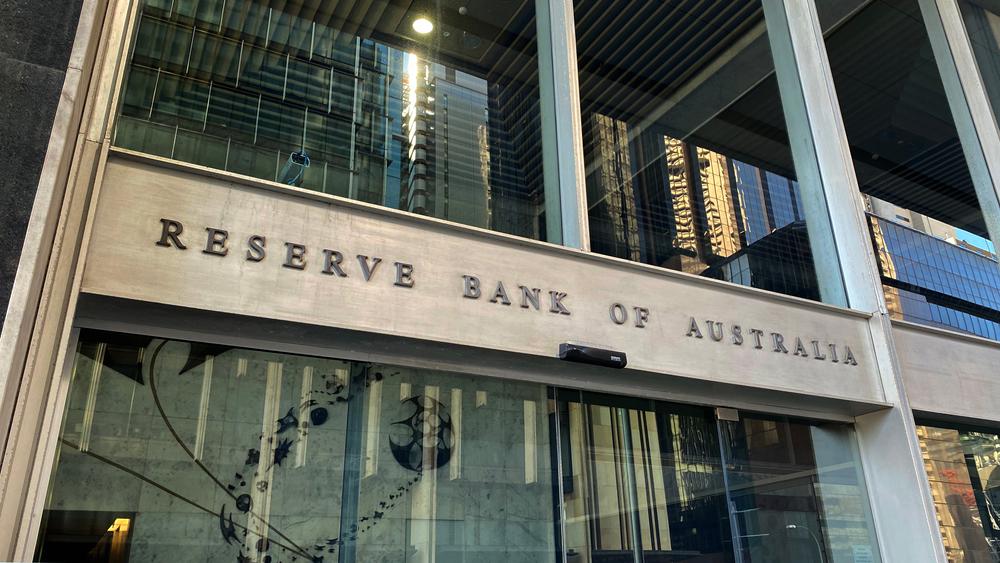
Australia’s central bank is maintaining a cautious stance on monetary policy as recent economic data remain largely in line with expectations. Reserve Bank of Australia (RBA) Governor Michele Bullock told lawmakers on Monday that while domestic figures have been stable or slightly stronger since August, global uncertainty continues to weigh on the outlook.
Bullock highlighted that the recent rate cuts were designed to boost household and business spending, though she acknowledged the unpredictable international environment. “Since the August meeting, domestic data have been broadly in line with our expectations or if anything slightly stronger – the Board will discuss this and other developments at our meeting next week,” she said.
The RBA has indicated it is close to achieving its dual mandate of stable inflation and full employment. Inflation is tracking toward the midpoint of the 2–3% target range, while the labor market is operating near full capacity.
The central bank has so far eased policy gradually, lowering rates in February, May, and August, bringing the cash rate to 3.6%. Officials stress that future cuts depend on incoming data, particularly inflation. The economy expanded at its fastest annual pace in nearly two years during the June quarter, driven by stronger consumer spending, although monthly inflation rose unexpectedly in July.
Markets are now reassessing the outlook for further easing. Investors largely expect the RBA to hold steady at its September 30 meeting, while the probability of a November rate cut has fallen to 75% from near certainty weeks earlier. Swaps markets currently price in around 48 basis points of easing by mid-2025, suggesting fewer than two additional rate cuts.
The RBA’s next meeting will provide further clarity on how policymakers balance resilient domestic data with global economic risks.







