


 UK Housebuilder Stocks Surge on New First-Time Buyer Loan Scheme
  XRP Price Targets $1.70 as Bullish Momentum Builds
  BOJ Flags Import Costs and Yen Shocks as Persistent Inflation Risks
  Fed Rate Hike Threatens Housing as U.S. Growth Leans on AI, Citi Says
  China Industrial Profit Growth Slows as Weak Demand Offsets AI Gains
  Japanese Yen Retreats as Dollar Rises Ahead of Fed, BOJ Rate Decisions
  Oil Prices Slide as Middle East Flows Recover
  US Dollar Hits Two-Month High as Aussie, Pound Slide
  RBA Says ASX Still Falls Short on Governance and Risk Controls
  BOJ Set to Raise Rates to 1.25% as Inflation Risks Build
  U.S. Stock Futures Steady as AI, Rate Concerns Weigh
  Gold Plunges 4% as Treasury Yields Surge and Fed Rate Hike Bets Rise
  South Korea Exports Set for 16th Monthly Gain on AI Chip Demand


 Add as a preferred source on Google
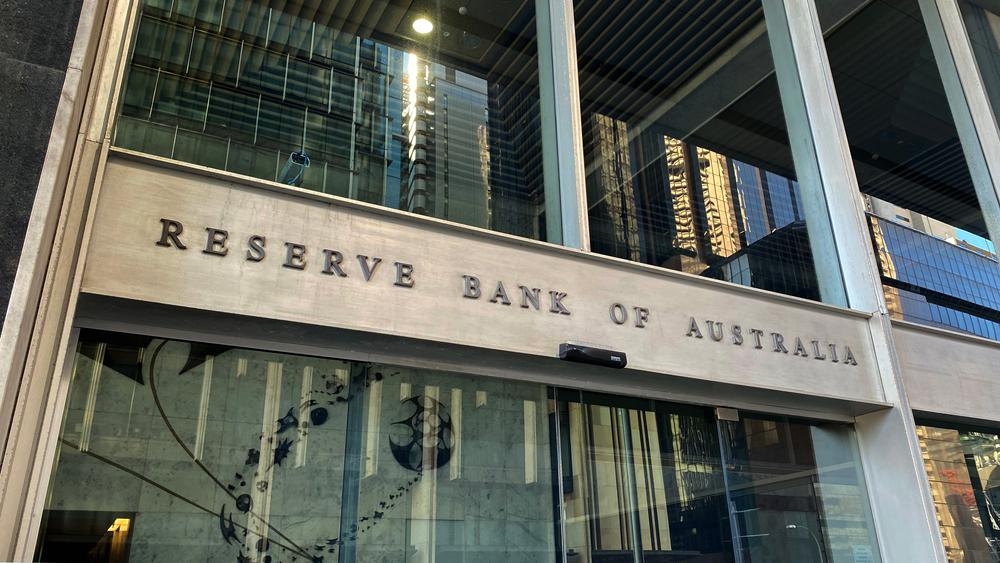
Reserve Bank of Australia (RBA) Deputy Governor Andrew Hauser has highlighted growing debate over whether the current 3.6% cash rate remains sufficiently restrictive to curb inflation. Speaking with Reuters in Sydney, Hauser noted that this assessment is becoming increasingly critical for the central bank’s policy outlook.
“Our best estimate is that monetary policy is still mildly restrictive,” Hauser said. “But if that judgment changes, it would have significant implications for our future stance.”
The RBA recently held interest rates steady after three cuts earlier this year, citing stronger consumer demand, rising housing prices, and persistent inflation pressures. The central bank expressed for the first time uncertainty about whether policy settings are still restrictive enough to slow the economy.
Following a higher-than-expected third-quarter inflation reading, the RBA now expects inflation to remain above its 2–3% target range until mid-2026, easing to 2.6% by then—still above the midpoint target. This outlook assumes one more rate cut next year.
Financial markets have since scaled back expectations for a May 2026 rate cut to below 70%, with economists from Commonwealth Bank of Australia and Citi suggesting the easing cycle could be over.
Recent data showing a surge in new housing loans, especially from investors, indicates that financial conditions may not be as tight as previously thought. Meanwhile, a sharp jump in consumer sentiment has raised hopes of stronger household spending, though Hauser cautioned against reading too much into what may be an “erratic” result.
When asked about potential market risks, Hauser said he does not believe an artificial intelligence-driven bubble or an imminent crash is likely, though he urged vigilance as some financial indicators remain at historical extremes.







