


 Asian Stocks Rise as Chipmakers Rally on Micron Earnings
  Oil Prices Steady as Middle East Crude Flows Recover
  Japan Factory Output Unexpectedly Falls 1.7% in August
  BOJ Set for 25-Basis-Point Rate Hike as Yen Weakness Fuels Inflation
  Oil Prices Jump Nearly 3% as Iran Holds Firm on Hormuz Conditions
  BlackRock’s Rick Rieder Favors Bonds Over Stocks as Treasury Yields Surge
  Gold Prices Slip as High Treasury Yields Weigh on Bullion
  Yen Sinks as BOJ Rate Hike Fails to Impress Markets
  India Manufacturing Growth Hits Seven-Month High in September
  South Korea Exports Set for 16th Monthly Gain on AI Chip Demand
  BOJ Flags Import Costs and Yen Shocks as Persistent Inflation Risks
  RBI Uses $10 Billion Currency Swaps to Drain Excess Rupee Liquidity
  Asian Stocks Fall as Bond Yields and Oil Prices Surge
  Fed’s Williams Signals One More Rate Hike Before Year-End


 Add as a preferred source on Google
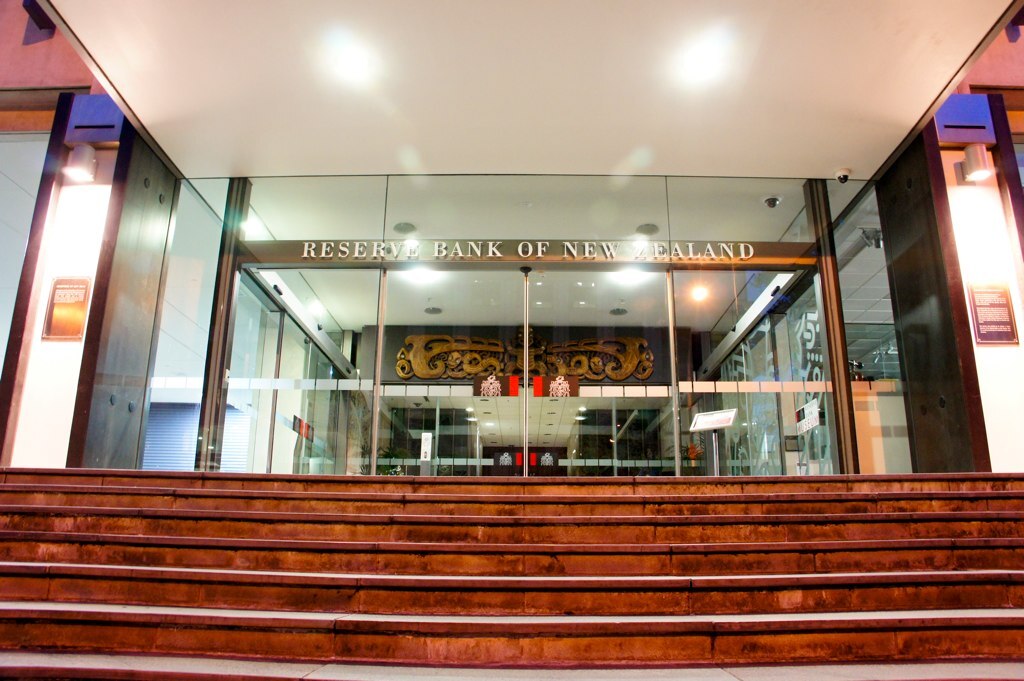
The Reserve Bank of New Zealand (RBNZ) announced on Thursday it will consult staff on potential organizational changes later this month, following a major leadership restructure aimed at boosting efficiency. This move comes as the central bank faces a significant 25% reduction in its operating budget for the upcoming fiscal year.
Effective June 16, the RBNZ will reorganize its structure to include 20 director-level roles across four main divisions: financial stability, money, enterprise services, and operations. The changes align with a streamlined four-member executive leadership structure introduced in May.
Governor Christian Hawkesby emphasized the importance of the transition, stating that the changes are not merely structural but essential for adapting to a rapidly evolving financial environment. “We want to ensure that we’re match-fit for the changing environment and context we’re operating in,” he said.
As part of the leadership overhaul, Kate Le Quesne has been appointed Assistant Governor for Enterprise Services, completing the bank’s new executive team.
The restructuring and budget cut follow Finance Minister Nicola Willis’ announcement in April that the RBNZ’s budget would be capped at NZ$150 million (approximately USD 90 million) annually for the next five years.
RBNZ’s workforce has grown significantly over the past few years, expanding from 255 employees in 2018 to 660 today—a more than 2.5-fold increase. The upcoming consultations are expected to address how the bank can operate more efficiently under tighter fiscal constraints.
The central bank has not disclosed details of the forthcoming organizational changes but reiterated its commitment to transparency and internal engagement throughout the process.
The restructuring highlights RBNZ’s efforts to remain agile, focused, and financially responsible in a challenging economic climate.







