


 Yandex Data Center Hit by Drone Strike as Russia-Ukraine Cyber Infrastructure Attacks Escalate
  Trump Calls for Zelenskyy Replacement Amid Russian Diesel Deal
  NATO Commander Warns Russia of Devastating Response to Attack
  Trump Sanctions International Criminal Court, Sparking EU Backlash
  Brazil Election: Lula and Bolsonaro Rally Ahead of October 25 Runoff
  European Auto Stocks Rise as EU-China Trade Deal Targets Hybrid Imports
  India Voter List Protests Reach Supreme Court as Opposition Demands Election Chief's Resignation
  Houthis Warn Saudi Airports After Deadly Riyadh Attack
  North Korea Fires Ballistic Missiles as Tensions With South Korea Escalate
  Trump Announces Russia-Ukraine Energy Ceasefire as Zelenskiy Awaits Details
  Pakistan Declares Emergency in Khyber Pakhtunkhwa, Suspends Imran Khan’s PTI Government
  Trump Announces Russia-Ukraine Energy Ceasefire Amid U.S. Pressure on Kyiv
  Elon Musk Donates $366 Million to 2026 US Midterms
  Zelenskiy Offers Russia Energy Truce Amid Trump Pressure
  Most Americans Oppose Election Betting on Prediction Markets, Poll Finds
  JD Vance Questions Pentagon Plan to Livestream Fort Hood Shooter’s Execution


 Add as a preferred source on Google
Republicans in Congress are introducing a $150 billion defense package to enhance U.S. military capabilities, including a $27 billion boost to President Donald Trump’s Golden Dome missile defense shield. The plan, which supplements the $886 billion national security budget for 2025, supports missile defense, shipbuilding, and artificial intelligence-driven military tech.
The package, tied to Trump’s sweeping $5 trillion tax cut proposal, includes funding for 14 new warships, 40 Boeing F-15EX fighter jets, and expanded production of munitions and low-cost weapons. A major portion—$29 billion—is earmarked for naval procurement, with the largest-ever investment in unmanned vessels. The bill also sets aside $14 billion for AI-powered defense systems and $5 billion for autonomous technologies.
Lockheed Martin’s THAAD system will see significant procurement expansion, while Elon Musk’s SpaceX and partners are expected to play a key role in missile tracking infrastructure under the Golden Dome initiative. The bill allocates $6 billion toward weapon priorities in the Indo-Pacific, aiming to counter China’s military rise.
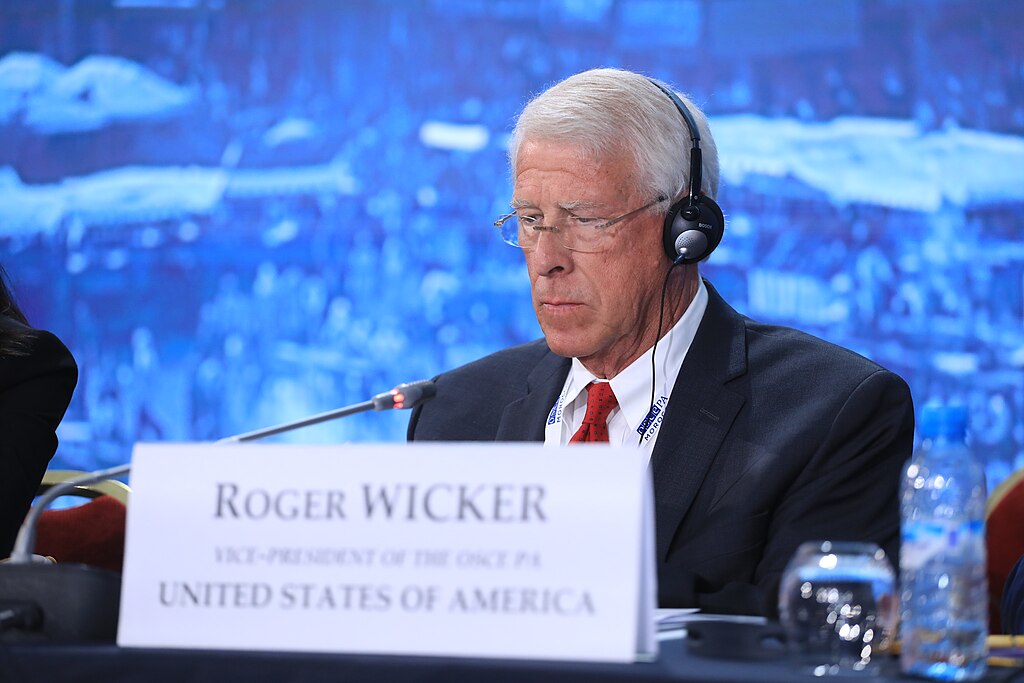
Senate Armed Services Chairman Roger Wicker emphasized the package's strategic importance, stating that strengthening U.S. presence in the Indo-Pacific would deter China and preserve global stability. House counterpart Mike Rogers said the bill would bolster the defense industrial base and deliver urgent support to servicemembers.
An additional $700 million targets the Pentagon’s longstanding audit issues by accelerating the adoption of automated business systems. Unlike traditional defense budgets, much of the funding in this measure will not expire at the end of the fiscal year, ensuring longer-term impact.
The bill is set to advance via budget reconciliation, allowing it to bypass the Senate filibuster with a simple majority vote. The measure could reach President Trump’s desk within weeks.







