


 Constellation Brands Beats Q2 Estimates, Buys SpikedAde
  Asian Currencies Mixed as Yen Weakens, Dollar Holds Firm
  Novartis M&A Strategy Faces Investor Scrutiny After Drug Setbacks
  Anthropic Expands Claude Access for Cyber Defense Teams
  JPMorgan CEO Jamie Dimon Warns Mythos AI Raises Cyber Risk Tenfold
  RBI Raises Repo Rate to 5.50% in Hawkish Shift on Inflation Risks
  Asian Stocks Rise as Nasdaq Record Offsets Bond Yield Pressure
  Trump Signs Order to Cut Routine Childhood Vaccines
  Hanmi Pharm Soars 30% on $2.3 Billion Genentech Obesity Drug Deal
  GLP-1 Weight-Loss Drug Use Surges Among U.S. Children
  Gate Launches Gate Money as Crypto Super App Race Heats Up
  Trump Administration Bars U.S. Travelers From Congo Flights Amid Ebola Outbreak
  Evernorth XRPN Nasdaq Listing Delayed to October 12
  Thailand Plans Dual-Class Shares to Revive IPO Market
  Dollar Retreats From 18-Month High as Euro Rebounds
  Indian Stocks Fall as RBI Hikes Rates to 5.50%
  Founders Fund Leads $5M Anvil Token Purchase


 Add as a preferred source on Google
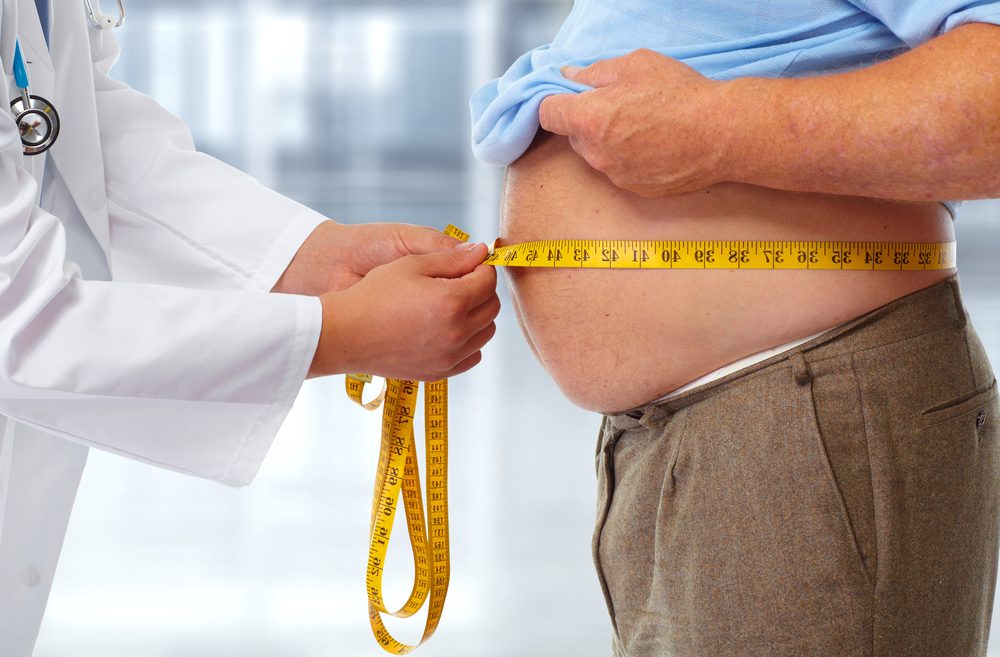
Rising levels of obesity are set to cost the world economy 3.3 percent of GDP by 2060, slowing development in lower-income countries, according to a study published in BMJ Global Health.
The conditions currently cost 2.2 percent of global GDP, and the biggest increases are expected in lower-resourced countries.
In terms of absolute costs, China, the US, and India are expected to bear the brunt of the damage, with costs of $10 trillion, $2.5 trillion, and $850 billion, respectively.
The worst affected nations are anticipated to be Trinidad and Tobago with 10.2 percent of GDP and the United Arab Emirates with 11.0% of GDP being accounted for by obesity.
Both direct costs, namely medical expenses, and indirect costs from early mortality and lost output were examined in the report.
The study offers the first estimate of the economic effects of obesity, a major contributor to other non-communicable diseases like cancer, diabetes, and heart disorders, on a country-by-country basis.
According to lead author Rachel Nugent at a briefing on the margins of the UN General Assembly, nearly two in three adults globally are now living with obesity and project there would be three in four adults by 2060.







