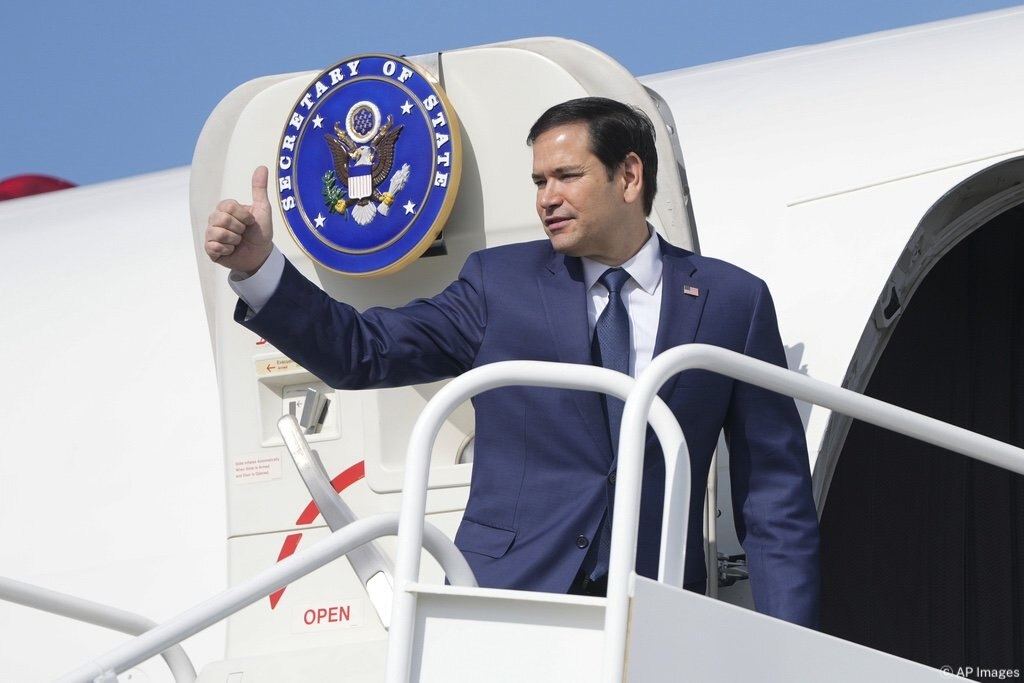
U.S. Secretary of State Marco Rubio has urged the international community to increase pressure on Nicaragua after President Daniel Ortega announced that the country would no longer hold elections, a move that has drawn sharp criticism from Washington over democratic governance and human rights.
In a statement issued Tuesday, Rubio said Ortega’s declaration openly confirms the authoritarian direction of Nicaragua’s government. He argued that the Central American nation cannot expect normal diplomatic and economic relations with the global community while abandoning democratic principles and rejecting the electoral process.
Rubio also criticized Ortega and his wife, Rosario Murillo, saying they have abandoned any remaining appearance of governing with the consent of the people. Murillo was named co-president following constitutional reforms approved last year, which also extended Nicaragua’s presidential term from five years to six years.
The U.S. State Department’s Bureau of Western Hemisphere Affairs echoed Rubio’s remarks, calling on governments across the Americas to work together in supporting the Nicaraguan people’s right to determine their own future. The bureau urged regional partners to stand against what it described as tyranny and support democratic values.
Ortega made the announcement during a speech on Sunday, declaring that Nicaragua would no longer conduct elections because they could be exploited by groups backed by the United States to gain power. He said future elections would only create opportunities for foreign interference in the country’s political system.
The 80-year-old leader has governed Nicaragua continuously since returning to power in 2007. Over the past several years, his administration has faced widespread international criticism for dismantling political opposition, imprisoning critics, restricting civil liberties, and forcing opposition figures into exile.
Rubio’s latest comments signal that the Trump administration is seeking stronger international coordination to isolate Ortega’s government, as concerns continue to grow over the erosion of democracy and political freedoms in Nicaragua.