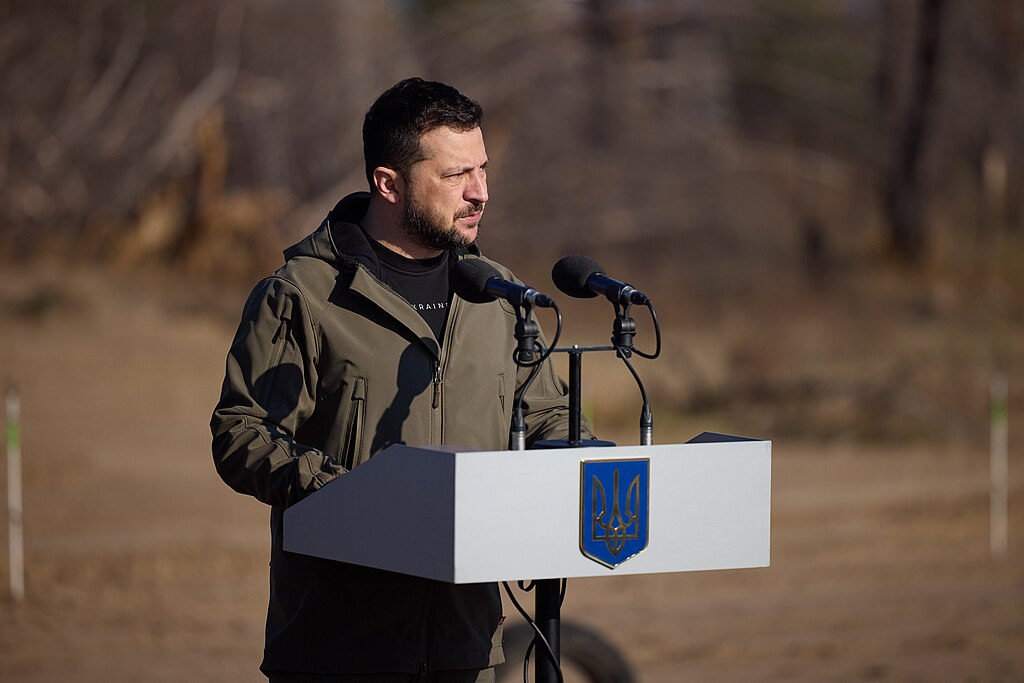
Russia carried out one of its largest attacks of the New Year, striking cities across Ukraine with waves of missiles and drones that killed at least four people and caused widespread blackouts amid freezing temperatures. According to President Volodymyr Zelenskiy, Russia launched nearly 300 drones, 18 ballistic missiles, and seven cruise missiles overnight, targeting energy-generation facilities and substations in eight regions.
Ukrainian air defence forces intercepted 247 drones and seven missiles, but the strikes still damaged 24 sites, triggering emergency power outages in Kyiv, Chernihiv, Odesa, Kharkiv, Dnipropetrovsk, Zaporizhzhia and Donetsk. Millions were left without stable heating or electricity as temperatures plunged to -16°C (3°F) in the capital.
Energy provider DTEK reported severe damage to equipment at one of its thermal plants, further straining Ukraine’s already battered energy infrastructure. Crews have been working nonstop to restore power despite what Zelenskiy described as “extraordinary challenges.” Kyiv Mayor Vitali Klitschko shared updates showing teams repairing heating pipelines, noting that while most buildings now have heat, nearly 500 still require restoration.
Ukraine warns that this fourth winter of the war may be the harshest yet, as relentless Russian strikes coincide with years of accumulated infrastructure damage and unusually severe cold. Moscow claims it is targeting military-industrial sites, but Kyiv says the purpose is to inflict suffering and undermine public morale.
In Kharkiv, a frequent target just 30 km from Russia’s border, four people were killed and more than 30 injured when missiles and drones struck a postal terminal. Odesa also faced fires and damage to a fitness center, school, and other buildings, injuring at least five people.
With Russia advancing slowly in eastern Donetsk and diplomatic efforts stalled as the war nears its fourth anniversary, Ukrainian leaders say the country urgently needs continued international support—especially air defence systems—to survive the winter and protect civilians from escalating attacks.