The Kremlin said this week that three Russian academics who helped work on the hypersonic missiles used by Moscow’s forces in Ukraine are now facing “very serious accusations.” Such accusations were part of a probe into potential treason that has caused concern in Russia’s scientific community.
On Wednesday, the Kremlin said that three Russian scientists: Anatoly Maslov, Alexander Shiplyuk, and Valery Zvengintsev, are facing “very serious accusations” of treason. Kremlin spokesperson Dmitry Peskov said they were aware of an open letter by Siberian scientists defending the three men, but the probe was being carried out by Russia’s security services. In the letter, the colleagues of Maslov, Shiplyuk, and Zvegintsev all protested their innocence, saying that Moscow’s prosecution would put Russia’s science at risk.
“We know each of them as a patriot and a decent person who is not capable of doing what the investigating authorities suspect them of,” said the scientists in the letter.
The scientists that were arrested were known to have attended academic conferences over the years as Russian leader Vladimir Putin has often boasted Russia’s hypersonic missiles as unbeatable.
Maslov and Shiplyuk, in 2012 presented the results of an experiment on hypersonic missile design during a seminar in Tours, France. In 2016, the three arrested scientists penned a book chapter titled “Hypersonic Short Duration Facilities for Aerodynamic Research at ITAM, Russia.”
The letter said the materials the three men presented in the chapter were reviewed to make sure they did not include confidential information. They noted how “any article or report can lead to accusations of high treason.”
“In this situation, we are not only afraid of the fate of our colleagues. We just do not understand how to continue our job,” said the scientists.
Meanwhile, United States officials said the Pentagon overestimated the value of weapons and other military aid sent to Ukraine by around $3 billion, which may lead the way for more arms that would be provided to Ukraine. Officials added that the Pentagon opted to draw from existing US stockpiles of older, existing items due to the speed of the delivery of many of the military aid packages.
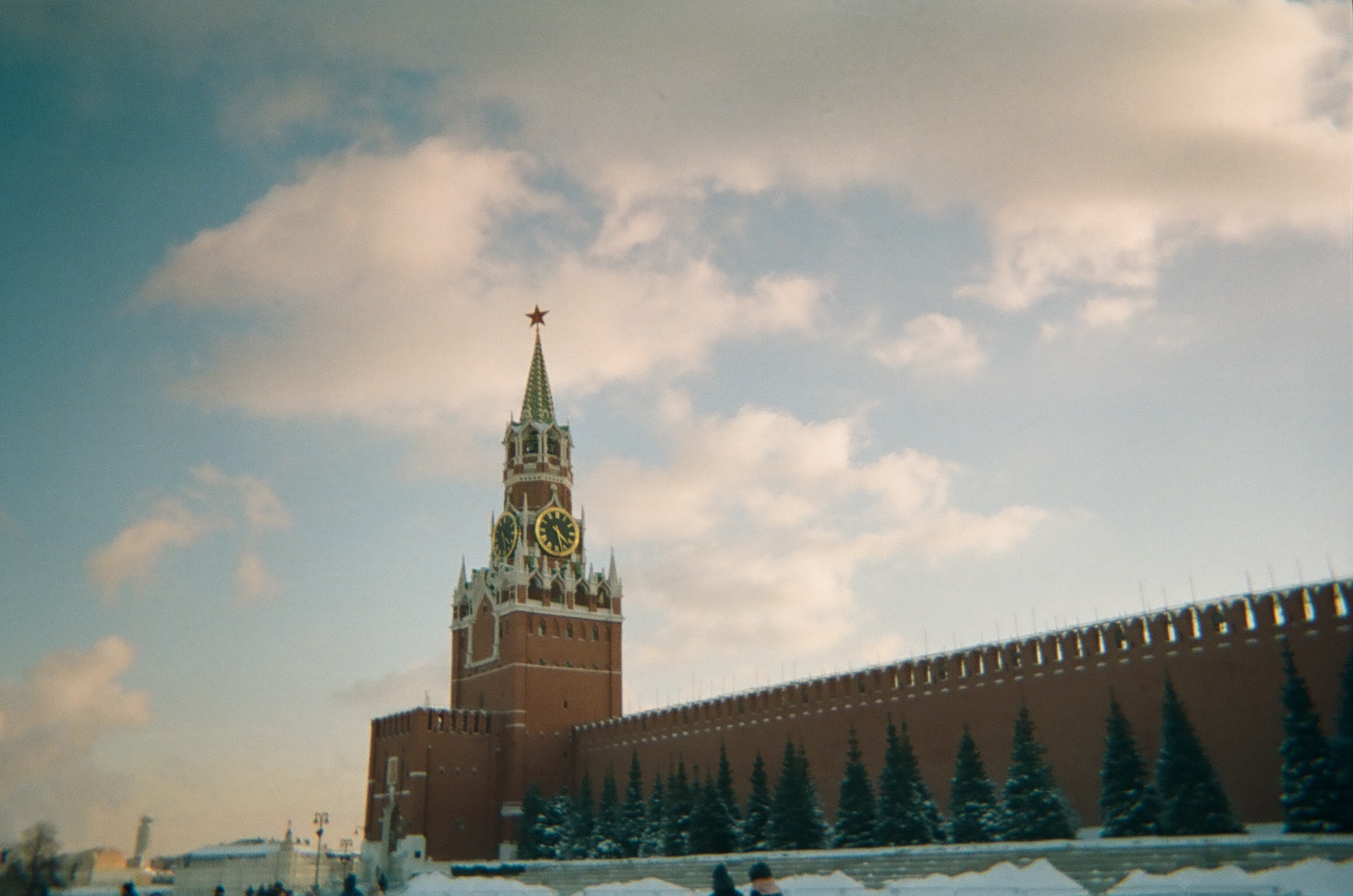
Photo: Maria Lysenko/Unsplash(CC by 2.0)