


 Rapidus Seeks Chip Customers as Japan Pushes 2nm Semiconductor Revival
  Russia Targets Danish Ukraine Suppliers in Sabotage Campaign
  Lincoln University Students Sue Missouri Over Decades of Underfunding
  Trump Weighs FBI Probe Into Nolan Wells’ Death
  Maduro, Wife May Face New US Torture Charges
  Mexico Bars Dual Citizens From Presidential Races Starting in 2028
  Lula Weighs Alckmin as Finance Minister to Boost Fiscal Credibility
  Mike Rogers Calls for End to US-Canada Tariff War
  US Pressures Allies to Distance From Anti-Disinformation Conference
  Hegseth Praises USS Abraham Lincoln Crew After Record Iran War Deployment
  Saudi Arabia Probes Flydubai Cockpit Attack
  Pentagon Orders Iran Strike Preparations as Trump Weighs Military Action
  North Korea Slams US Taiwan Arms Sales, Reaffirms Russia Support
  JD Vance Says Iran Must Cut Nuclear Enrichment to End War
  US, Greece Launch New Counterterrorism Security Program
  US-Led Coalition Targets Global Factory Overcapacity
  Trump Backs Florida Golf Course as Presidential Retreat


 Add as a preferred source on Google
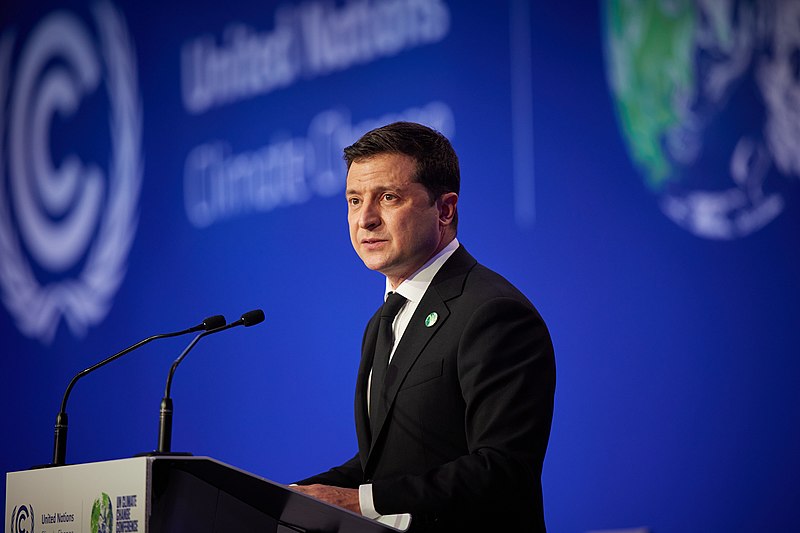
Tensions remain at a high surrounding Ukraine, with fears that Russia may be planning an invasion due to the troop buildup. Following the announcements that the US and NATO have responded to Russia’s demands, Ukraine has said it supports the response given by Washington to Moscow.
Ukrainian foreign minister Dmytro Kuleba commented on the response given to Russia by the US regarding its list of security demands. Kuleba said that Kyiv has “no objections” to the response given by Washington to Moscow. Moscow is currently looking into the respective responses by the US and NATO.
In its response to Moscow delivered by the US ambassador to Russia, Washington reiterated its commitment to NATO’s “open-door” policy regarding one demand by Russia that Ukraine would be barred from joining the alliance. NATO also responded “in parallel with the United States” to Russia’s demands.
Russian foreign minister Sergey Lavrov said in a statement Thursday that there was “no positive response” to the issue it has with Ukraine possibly joining the alliance. However, Lavrov noted that there is a response that has given some hope for dialogue towards the other issues that Russia has aired to the US and NATO.
While Moscow has repeatedly denied planning to invade Ukraine, the troop buildup at the border it shares with Ukraine remains. Russia has since accused the West of provocative behavior. Washington has also repeatedly warned Russia against doing so. Otherwise, they would face severe sanctions.
Human rights group Amnesty International has also warned against military escalation in Ukraine, saying that it would be devastating to the rights of millions of people. The group released a statement making the case as to why military escalation would only do more harm than good regarding the ongoing crisis.
“The threat of the use of military force by Russia is already affecting the human rights of millions of people in Ukraine and beyond,” said Amnesty International Secretary-General Agnes Callamard.
“The consequences of actual military force are likely to be devastating,” Callamard explained. “Ukraine’s recent history is punctuated by conflicts involving Russian troops in Donbas and the illegal annexation of Crimea. These episodes have torn communities and lives apart, as military forces have trampled on the rights of civilians with impunity; it’s time to break that vicious cycle.”







