


 Trump Buys Up to $25M in Meta Stock, Invests in SpaceX Debt
  Trump Announces Russia-Ukraine Energy Ceasefire Amid U.S. Pressure on Kyiv
  RFK Jr. Launches Nationwide Vaccine Safety Review
  European Auto Stocks Rise as EU-China Trade Deal Targets Hybrid Imports
  Zelenskiy Offers Russia Energy Truce Amid Trump Pressure
  Panama Declares Emergency After 7.7 Earthquake Triggers 200 Aftershocks
  US Judge Blocks Trump Administration’s Taxpayer-Funded Political Ads
  Houthis Warn Saudi Airports After Deadly Riyadh Attack
  JD Vance Questions Pentagon Plan to Livestream Fort Hood Shooter’s Execution
  UK Finance Minister Healey Calls for Fiscal Discipline Amid Global Risks
  Trump Announces Russia-Ukraine Energy Ceasefire as Zelenskiy Awaits Details
  Mahmoud Abbas Postpones Palestinian Elections to September 2027
  Brazil Election: Lula and Bolsonaro Rally Ahead of October 25 Runoff
  Trump Cancels Alabama Football Trip as Hurricane Isaias Approaches
  Venezuela’s Machado Calls for Elections by July 2027
  Trump Calls for Zelenskyy Replacement Amid Russian Diesel Deal
  Russian Strikes Kill Six in Ukraine, Including Three in Kharkiv


 Add as a preferred source on Google
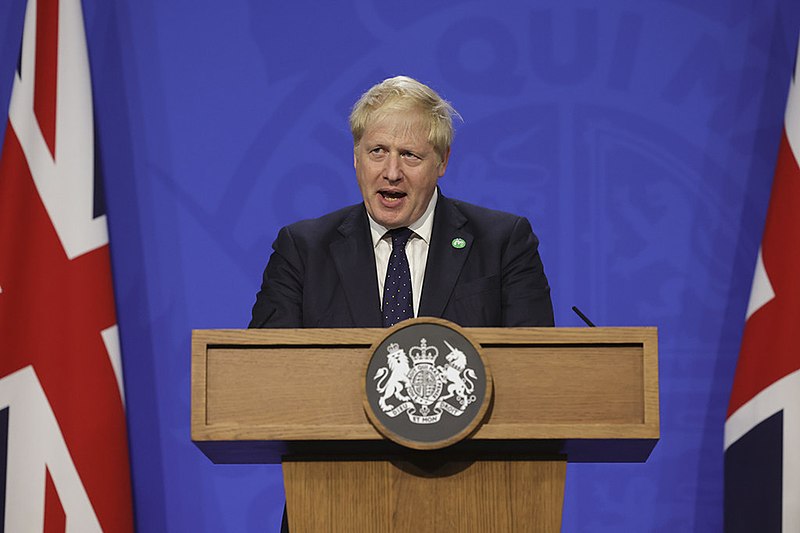
Outgoing British Prime Minister Boris Johnson said that cutting down reliance on Russian energy would be a good outcome of the war in Ukraine. This follows efforts by the West to reduce buying of Russian energy products.
Speaking at the site of a nuclear power plant in the eastern UK, Johnson said that in the midst of the ongoing war, one of the good things that would come out of the conflict is that Europe would rely on Russian energy products less.
Johnson added that by cutting down reliance on Russian energy products, the region would not be beholden to Vladimir Putin.
“Out of this catastrophe, of Putin’s war, I think good is going to come, in that Europe will wean itself off Russian hydrocarbons,” said Johnson. “We will no longer be subject, vulnerable, to his blackmail, and in this country, we will have greatly accelerated long overdue reforms and steps to become energy independent, in particular, by rectifying the damage we’ve done to our nuclear industry.”
The foreign ministers of the European Union Wednesday agreed to complicate travel rules for Russians looking to visit Europe but remained divided on whether to issue a widespread visa ban.
While the bloc was divided on a blanket visa ban for Russians, it had yet to be determined what unilateral measures Finland, Estonia, Latvia, Lithuania, and Poland would take as the five countries share a land border with Russia.
The five countries welcomed a suspension of the visa facilitation deal. However, four out of the five countries have called for more action to be taken to significantly limit the visas that would be issued to Russians travelling to the EU following Russia’s invasion of Ukraine back in February.
Czech foreign minister Jan Lipavsky said the bloc’s executive commission would look into other ways to go further on the step. This would include what Lipavsky cited were around 12 million Schengen visas that were already issued for Russians.
EU foreign policy chief Josep Borrell said the suspension of the visa facilitation program would already have a real impact.
“This will significantly reduce the number of visas issued by the EU member states. It’s going to be more difficult, it’s going to take longer,” said Borrell.







