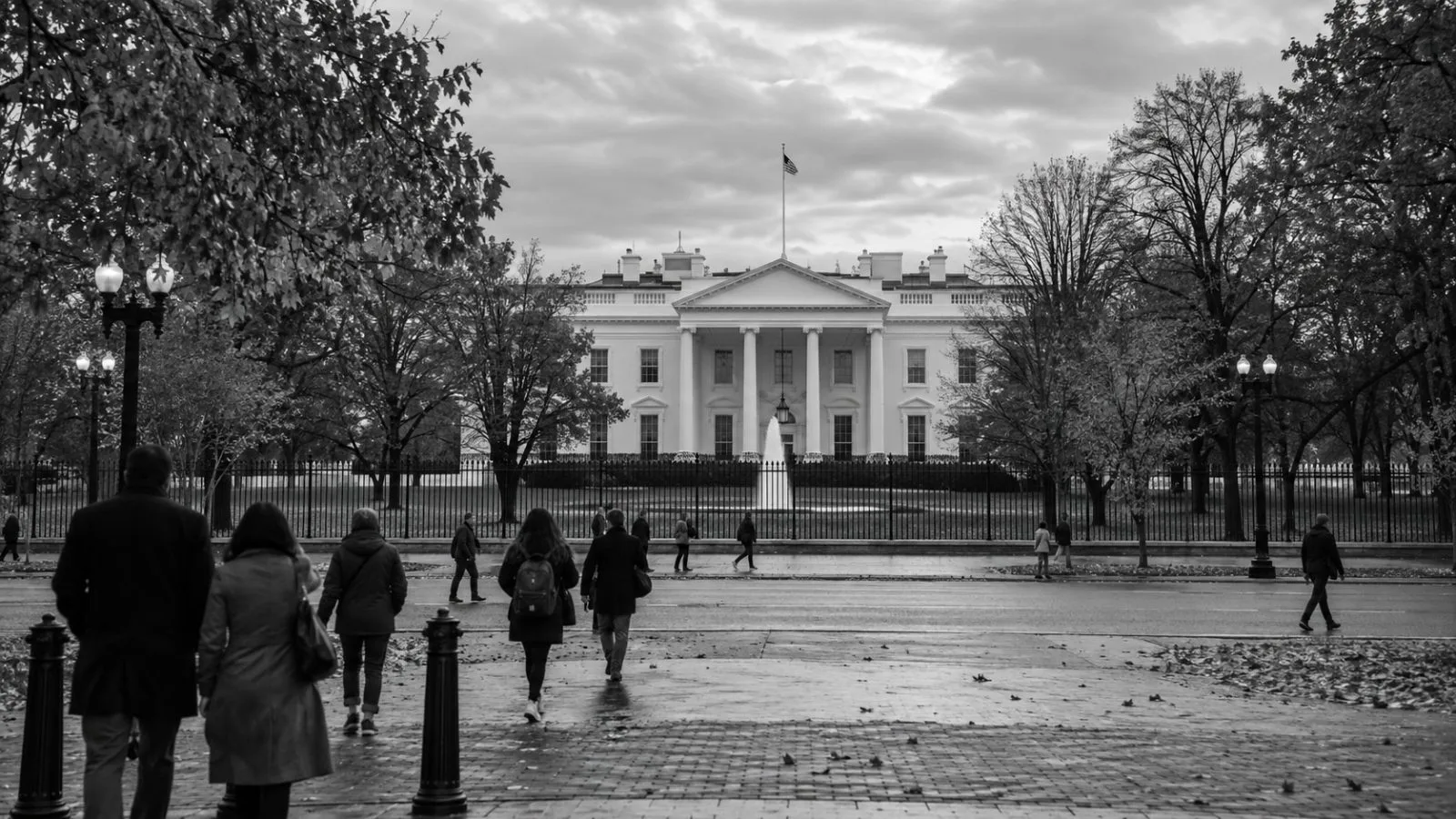
The White House is set to reveal new details about President Donald Trump’s proposed East Wing ballroom during a federal commission hearing scheduled for early next month, according to official notices. The project, which has already sparked legal challenges and political controversy, would mark one of the most significant changes to the historic White House complex in decades.
The National Capital Planning Commission (NCPC), a federal body chartered by Congress to oversee planning on Washington-area federal lands, announced that the White House will deliver an “information presentation” on January 8 regarding plans to rebuild the East Wing. While the presentation is not a formal approval vote, it represents the first public forum where details of the project may be discussed openly.
President Trump has said the proposed White House ballroom would cost approximately $400 million and cover around 90,000 square feet, making it substantially larger than the existing White House, which is roughly 55,000 square feet. Preservation groups argue that the scale of the ballroom would overwhelm the historic structure and alter its character. The National Trust for Historic Preservation has filed a lawsuit seeking to halt construction, citing concerns about historic integrity, lack of public consultation, and potential violations of preservation laws.
Democratic lawmakers have also criticized the project, calling it an abuse of power and launching inquiries into whether private donors are financing the ballroom’s construction. The White House has not publicly detailed the funding structure and did not immediately respond to requests for comment.
The NCPC, chaired by Will Scharf, a White House aide and former personal lawyer to Trump, has so far declined to review the demolition of the former East Wing or the early site preparation work. The former East Wing was largely demolished in October with limited public notice, intensifying criticism from preservation advocates.
Earlier this month, a federal judge declined to issue a temporary restraining order to stop construction, noting that the ballroom’s final size and specifications had not yet been finalized. Another court hearing is expected next month.
The project is part of Trump’s broader effort to reshape parts of the White House and Washington, D.C., ahead of the 250th anniversary of the Declaration of Independence in 2026. A formal NCPC review planned for the spring will allow public comments and testimony, focusing on sightlines, public space, and landscape impacts.