


 Trump Buys Up to $25M in Meta Stock, Invests in SpaceX Debt
  Pakistan Declares Emergency in Khyber Pakhtunkhwa, Suspends Imran Khan’s PTI Government
  Zelenskiy Slams US Over Deadly Russian Strikes on Ukraine
  Ripple Chairman Chris Larsen Donates $22.5 Million Ahead of US Midterms
  Trump Cancels Alabama Football Trip as Hurricane Isaias Approaches
  Flydubai Co-Pilot Planned Suicide Attack on Israel Airport, UAE Says
  RFK Jr. Launches Nationwide Vaccine Safety Review
  Trump Announces Russia-Ukraine Energy Ceasefire as Zelenskiy Awaits Details
  UK Finance Minister Healey Calls for Fiscal Discipline Amid Global Risks
  North Korea Fires Ballistic Missiles as Tensions With South Korea Escalate
  US Judge Blocks Trump Administration’s Taxpayer-Funded Political Ads
  Mahmoud Abbas Postpones Palestinian Elections to September 2027
  Brazil Election: Lula and Bolsonaro Rally Ahead of October 25 Runoff
  Russian Strikes Kill Six in Ukraine, Including Three in Kharkiv
  Houthis Warn Saudi Airports After Deadly Riyadh Attack
  European Auto Stocks Rise as EU-China Trade Deal Targets Hybrid Imports
  US, EU Push for Action Against Asia’s Excess Factory Capacity


 Add as a preferred source on Google
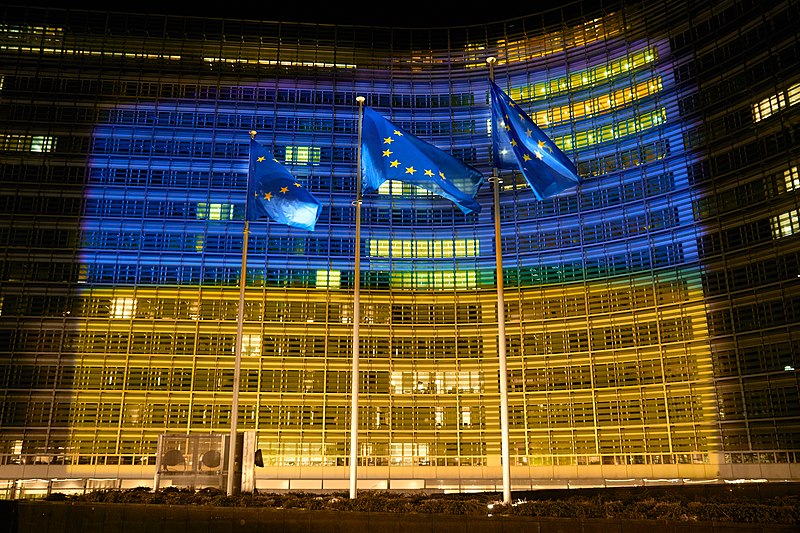
The finance ministers of the European Union supported a $5 billion loan to Ukraine to help maintain the operations of its schools, medical centers, and other necessary establishments. Long-term support was also discussed among the ministers at the recent meeting about Russia’s invasion of Ukraine.
During a meeting in Prague Friday last week, the bloc’s finance ministers agreed to provide Ukraine with a $5 billion loan to help keep its schools and hospitals and other essential operations running in the midst of the war. The ministers also discussed long-term support for Ukraine and its reconstruction as it defends itself against Russia in the war that is moving toward its seventh month.
The $5 billion loan, which would be backed by EU member countries, is part of an overall package by the bloc worth €9 billion.
The first €1 billion was fully sent back in August, as Czech finance minister Zbynek Stanjura said the upcoming meetings would determine how the remaining €3 billion would be divided into either loans or grants, adding that all members of the bloc fully support Ukraine.
This follows a report by the World Bank, Kyiv, and the European Commission published Friday, finding that Russia’s invasion cost over $97 billion in direct damages to Ukraine through June 1, and it would cost $350 million to rebuild Ukraine.
The European Commission’s vice president, Valdis Dombrovski, said the costs to help Ukraine’s reconstruction would be immense as the war continues for another month.
The EU’s executive branch is already looking into legal hurdles to using the seized Russian assets to help with Ukraine’s reconstruction costs as ministers discuss other options for long-term funding.
The United States Treasury Secretary Janet Yellen also stressed the need for a broad group of partners to help Ukraine recover and rebuild following the war, focusing on near-term, high-impact projects.
During her meeting with Ukrainian Prime Minister Denys Shmyhal, Yellen also discussed the need for Ukraine’s partners to deliver on economic assistance for the country.
Yellen also expressed her support for Ukraine’s effort to develop a macroeconomic reform program backed by the International Monetary Fund. The US is already providing grants to Ukraine that will total $8.5 billion by the end of September, according to the Treasury.







