


 Flydubai Co-Pilot Planned Suicide Attack on Israel Airport, UAE Says
  Brazil Election: Lula and Bolsonaro Rally Ahead of October 25 Runoff
  Panama Declares Emergency After 7.7 Earthquake Triggers 200 Aftershocks
  Flavio Bolsonaro Leads Lula 49%-45% in Brazil Runoff Poll
  Ripple Chairman Chris Larsen Donates $22.5 Million Ahead of US Midterms
  European Auto Stocks Rise as EU-China Trade Deal Targets Hybrid Imports
  Trump Announces Russia-Ukraine Energy Ceasefire Amid U.S. Pressure on Kyiv
  Trump Calls for Zelenskyy Replacement Amid Russian Diesel Deal
  US Judge Blocks Trump Administration’s Taxpayer-Funded Political Ads
  Djibouti Migrant Boat Capsizes, Killing 139 and Leaving 84 Missing
  North Korea Fires Ballistic Missiles as Tensions With South Korea Escalate
  Trump Cancels Alabama Football Trip as Hurricane Isaias Approaches
  Trump Buys Up to $25M in Meta Stock, Invests in SpaceX Debt
  Trump Sanctions International Criminal Court, Sparking EU Backlash
  Venezuela’s Machado Calls for Elections by July 2027
  Yandex Data Center Hit by Drone Strike as Russia-Ukraine Cyber Infrastructure Attacks Escalate
  Zelenskiy Slams US Over Deadly Russian Strikes on Ukraine


 Add as a preferred source on Google
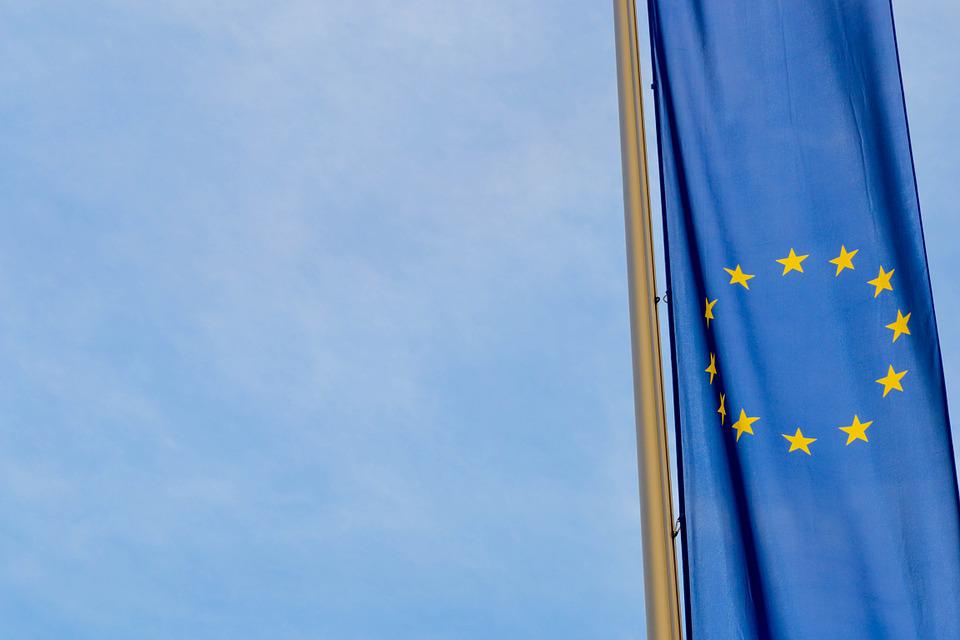
As the war in Ukraine is moving towards its seventh month, among the sanctions called for by Ukraine was a visa ban on Russians. Officials from the European Union reveal that in the upcoming conference of EU foreign ministers, a possible visa ban may be agreed upon.
EU officials said that the bloc may agree on tightening visas for Russians in the upcoming conference by the foreign ministers in Prague on Tuesday and Wednesday. The defense ministers of the bloc will also meet in Prague to discuss potentially training Ukrainian forces as the war continues.
Regarding visa tightening for Russians, an EU diplomat said Monday that the foreign ministers may agree on the principle of suspending a visa facilitation agreement. This would mean that Russians would be required to pay 80 euros instead of 35 euros for EU visas, and also face a lengthy process to obtain such visas.
“The result of Gymnich will probably not be an agreement to widen sanctions by including visas,” the diplomat told Reuters, referring to the conference of foreign ministers. “But the facilitation agreement will be the first step, and we will talk about how to include visas in the sanctions.”
The Czech Republic, the current EU president, has already stopped issuing visas to Russians and has called for an EU-wide visa ban on Russian tourists. Baltic countries have also backed the idea.
However, the EU’s foreign policy chief Josep Borrell and other countries such as Germany have opposed the move, saying that it would cut off escape routes for dissidents and potentially breach EU rules.
In the meeting with German Chancellor Olaf Scholz, Czech Republic Prime Minister Petr Fiala said Monday that exemptions would be made for Russian opposition figures and human rights figures in the visa ban.
The countries that share a border with Russia: Estonia, Latvia, Lithuania, Finland, and Poland, may decide to issue visa bans on their own should the bloc not agree to an EU-wide ban, according to Lithuanian foreign minister Gabrielus Landsbergis.
Scholz said Monday that Germany would maintain its support for Ukraine “for as long as it takes” in his remarks at the Charles University in Prague. Scholz added that amidst Russia’s invasion of Ukraine, the 27 EU countries must “close ranks, resolve old conflicts, and find new solutions.”







