


 North Korea Fires Ballistic Missiles as Tensions With South Korea Escalate
  European Auto Stocks Rise as EU-China Trade Deal Targets Hybrid Imports
  Trump Calls for Zelenskyy Replacement Amid Russian Diesel Deal
  US, EU Push for Action Against Asia’s Excess Factory Capacity
  Djibouti Migrant Boat Capsizes, Killing 139 and Leaving 84 Missing
  JD Vance Questions Pentagon Plan to Livestream Fort Hood Shooter’s Execution
  Yandex Data Center Hit by Drone Strike as Russia-Ukraine Cyber Infrastructure Attacks Escalate
  Mahmoud Abbas Postpones Palestinian Elections to September 2027
  Trump Cancels Alabama Football Trip as Hurricane Isaias Approaches
  UK Finance Minister Healey Calls for Fiscal Discipline Amid Global Risks
  Pakistan Declares Emergency in Khyber Pakhtunkhwa, Suspends Imran Khan’s PTI Government
  Brazil Election: Lula and Bolsonaro Rally Ahead of October 25 Runoff
  Trump Announces Russia-Ukraine Energy Ceasefire Amid U.S. Pressure on Kyiv
  Trump Secures Russian Diesel Deal as US Fuel Prices Surge
  Venezuela’s Machado Calls for Elections by July 2027
  Zelenskiy Offers Russia Energy Truce Amid Trump Pressure
  Trump Sanctions International Criminal Court, Sparking EU Backlash


 Add as a preferred source on Google
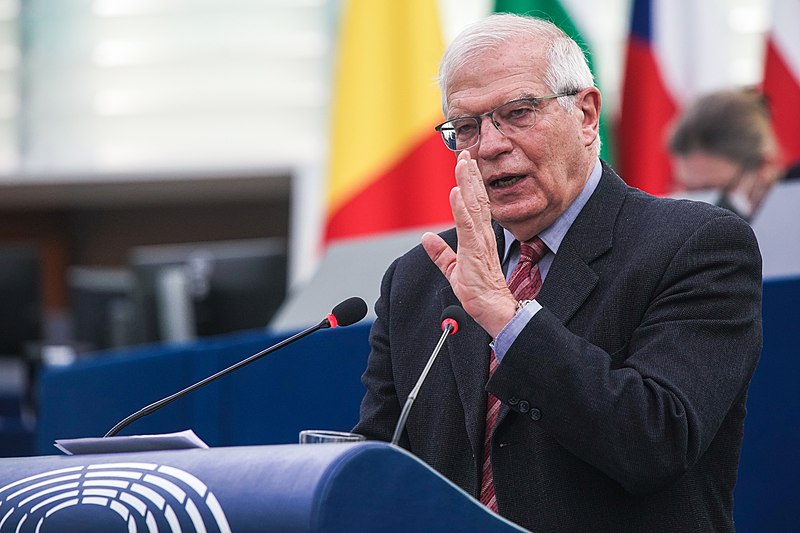
The European Union’s foreign policy chief announced this week that the bloc’s defense ministers agreed to start working on an EU military assistance mission. The agreement comes as Russia continues to wage war on Ukraine for the seventh month this year.
EU foreign policy chief Josep Borrell said Tuesday that the defense ministers of the bloc agreed to set up a military assistance mission for Ukraine. Borrell made the comments following the meeting among the bloc’s defense ministers in Prague.
“There are many training initiatives on the way but the needs are enormous and we need to ensure the coherence of these efforts,” said Borrell. “I can say that all members states agree clearly on that and on launching the work necessary to define parameters for a EU military assistance mission for Ukraine.”
Aside from starting on the work needed to set up an EU military assistance mission, diplomats also said Tuesday that the bloc’s foreign ministers likely agree with tightening visas for Russians.
The measure would suspend a visa facilitation agreement with Russia and make Russians pay more and wait longer for their visas to be issued.
This comes as the bloc remains divided over whether or not to issue a widespread visa ban for Russians, which Ukraine has called for. Some EU member countries have also backed a widespread visa ban for Russians.
Some countries, such as Germany and France, have cited that dissidents must be allowed to leave Russia. German foreign minister Anna Baerbock said a visa ban would only punish dissidents who seek to flee Russia.
“We caution against far-reaching restrictions on our visa policy, in order to prevent feeding the Russian narrative and trigger unintended rallying around the flag effects and/or estranging future generations,” said the two countries in a joint memo.
Ukrainian foreign minister Dmytro Kuleba said Russia fought a war with Georgia and illegally annexed Crimea in 2014 since obtaining easier EU visas in 2007. Kuleba said travelling to Europe has no transformative effect on Russians.
Eastern and Nordic European countries have supported such a ban, with some saying they may resort to a regional one if no agreement is reached at an EU level.







