The top prosecutor for the International Criminal Court travelled to Ukraine this week in an effort to investigate Russia’s attacks on Ukraine’s energy infrastructure. The probe on Ukraine’s power grid comes amidst the ongoing investigation into war crimes committed in the conflict that has been going on for more than a year.
ICC Prosecutor Karim Khan visited Ukraine on Tuesday and met with Ukrainian President Volodymyr Zelenskyy. Khan was in Ukraine to investigate Russia’s missile and drone attacks on Ukraine’s power grid and other infrastructure that led to hundreds of civilians dead and millions without electricity or water. While Moscow said the strikes were to weaken Ukraine’s military, Kyiv says Russia was conducting the strikes to intimidate civilians.
Speaking to reporters north of Kyiv, Khan said the ICC’s role was to provide justice for Ukrainians and “not to get a round of applause by a conjuring trick.”
“Generally we see clearly a pattern, I think, in terms of the number, scale, and breadth of attacks against the power grids of Ukraine and we need to look at why that’s taking place, are they legitimate targets or not?” said Khan. “We need to find out what pattern if any, is demonstrated by that because these are not isolated occurrences.”
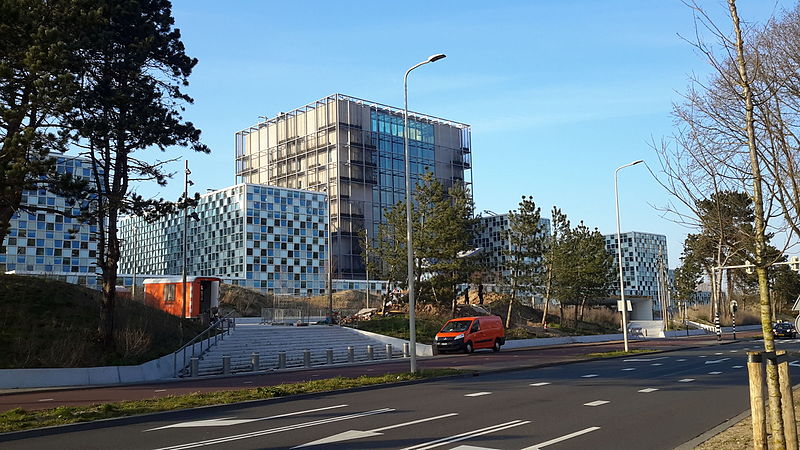
The ICC at The Hague has jurisdiction to prosecute war crimes, crimes against humanity, and genocide on the territory of Ukraine committed by either side and is expected to focus on high-profile suspects. Such cases may take years to build.
Khan said there have yet to be arrest warrants issued by the ICC that resulted from last year’s work in Ukraine. However, Khan defended the court and its partners in Ukraine.
Meanwhile, Ukrainian forces are holding their positions in the key city of Bakhmut, where the fighting has been at its heaviest. Kyiv has said the city has limited strategic value but its forces are determined to hold their positions for as long as possible as Russian forces are looking to encircle the city in an effort to claim their first territorial victory in months. Moscow lost significant amounts of territory in the second half of 2022.