Ukrainian authorities have turned to crack down on pro-Russian clerics in the country’s Orthodox Church. Last week, Kyiv ordered the Russian-aligned wing of the church to leave the monastery complex in the capital.
Friday last week, Ukrainian officials ordered the pro-Russian wing of the Ukrainian Orthodox Church to leave the monastery complex in Kyiv, as the UOC has come under heavy scrutiny by the Ukrainian government. The UOC has come under scrutiny by the government on the grounds that it is pro-Russia and has been collaborating with Moscow.
The UOC accepted the authority of the Moscow patriarch until Russia invaded Ukraine in February last year. The Moscow patriarch Kirill has backed the invasion. The UOC, however, said it had severed its ties with Russia and the Moscow patriarchate as a result of the war and said it was a victim of a political witch hunt.
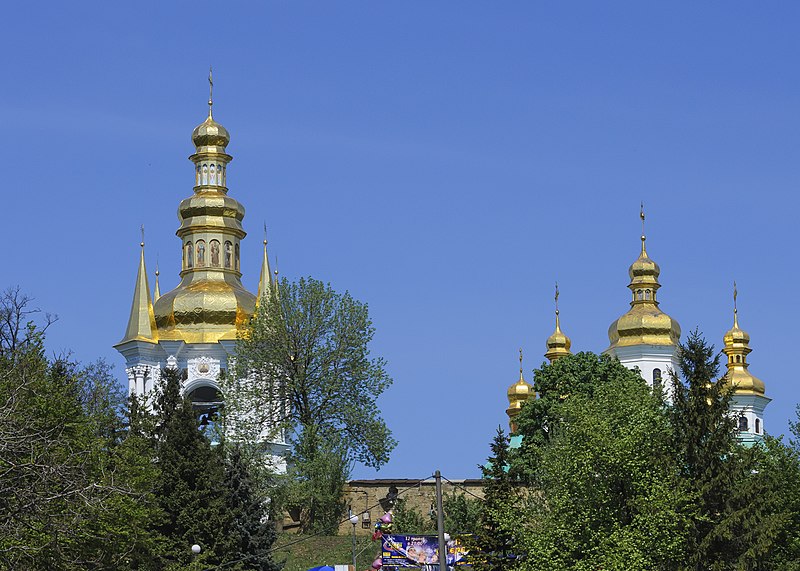
The Ukrainian culture ministry said the UOC was ordered to leave the historical Kyiv-Pechersk Lavra monastery complex where it is based. The ministry said in a statement that an investigation found that the UOC “violated the terms of the agreement regarding the use of state property” but did not give further details.
The UOC has given until March 29 to leave the monastery complex. In a post on Facebook, the UOC said the results of the investigation were “obviously biased and grossly violate legal norms.”
Ukraine’s security service has been conducting searches of the complex since October and imposed sanctions on its bishops and financiers, as well as opening criminal cases against dozens of its members. Authorities said they had found pro-Russian materials on the premises and Russian citizens being harbored, which the UOC has denied.
Meanwhile, a report by Human Rights Watch on Monday found that thousands of Ukrainian children were transferred to Russian-occupied territories in Ukraine or into Russia. The watchdog also said the war has highlighted the need for reforms in Ukraine, which has 15,600 children in institutions before the invasion, which is the largest number in Europe after Russia.
“This brutal war has starkly shown the need to end the perils faced by children who were institutionalized,” said HRW associate children’s rights director Bill Van Esveld. “Returning children who were illegally taken by Russian forces should be an international priority.”