


 Israel Tightens Pilot Security After Flydubai Incident
  Tsai Ing-wen to Visit US for Stanford Security Conference
  Trump Praises Boeing 737 Max After Flydubai Crash Attempt
  Ukraine Deploys FP-7 Ballistic Missile in Combat for First Time
  US Appeals Court Keeps Trump IRS Case Sanctions in Place
  US Waives Egypt Military Aid Conditions Over Iran War Role
  Brazil Presidential Debate Canceled as Lula, Bolsonaro Skip Event
  Israeli Settler Attack in West Bank Kills Palestinian
  South Korea Warns Ukraine Over North Korean POW Dispute
  TRUMP Memecoin Launches New Dinner Contest
  Trump Demands Powell Resign Over Fed Renovation Cost Overruns
  California Leads Lawsuit Over Trump’s $810 Million Funding Cuts
  Wicker Urges US to Uphold Taiwan Security Commitments
  Marco Rubio to Visit Iceland, Greece and Portugal
  Trump Taps Dennis Rodman as Kim Jong Un Outreach Continues
  Netanyahu Says Israel May Join Flydubai Crash Attempt Probe


 Add as a preferred source on Google
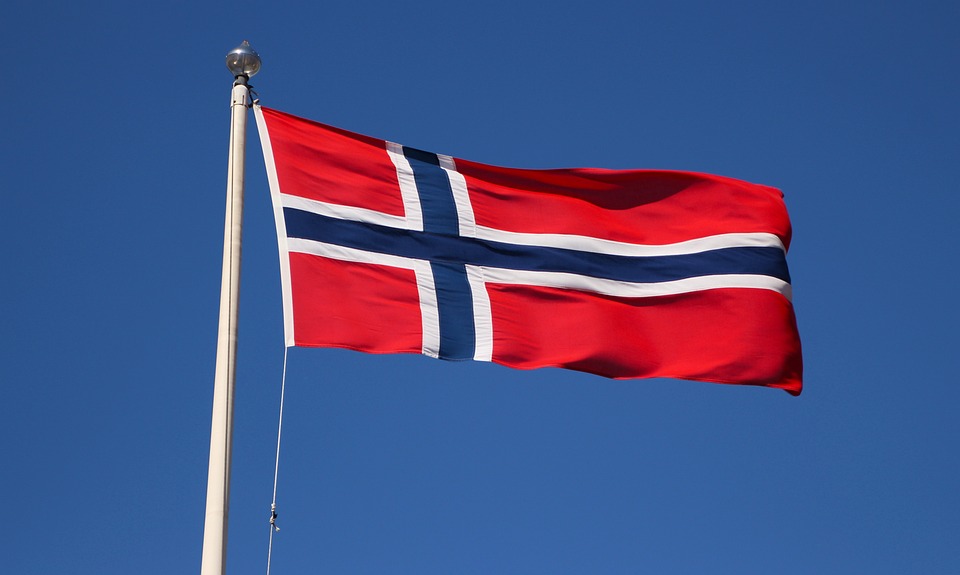
In recent weeks, Russia has escalated its attacks on Ukraine in the war that has been going on for more than eight months. Likely as a result of the escalation, Norway has increased its military alert.
The Norwegian government said Monday that it had put the military on a raised alert level starting Tuesday. More personnel would be moved to operational duties and enhancing the role of a rapid mobilization force as a result of the war in Ukraine. Norway will also be expected to bring its new fleet of US-made P-8 Poseidon submarine-hunting maritime patrol aircraft into regular operation ahead of schedule, according to Norwegian chief of defense General Eirik Kristoffersen.
Kristoffersen noted that there was no concrete threat that prompted the government to make the decision. Rather, Kristoffersen told Reuters that the “uncertainties” were leading officials to raise the country’s military preparedness.
“We have seen an escalation in Ukraine, we are training Ukrainian forces, the Ukraine war has changed with the Russian mobilization,” said Kristoffersen. “And at the same time, we have had a gas explosion in the Baltic Sea and drone activity in the North Sea platforms.”
Kristoffersen said the raised alert level is expected to last for a year. Norway first deployed its military to guard offshore platforms and onshore facilities following the leaks on the Nord Stream pipelines in Swedish and Danish waters back in September. Norway has received support from the British, Dutch, French, and German armed forces.
Norway also shares a border with Russia spanning nearly 200 kilometers in the Arctic, as well as a maritime border.
On the same day, US State Department spokesman Ned Price said that Russia’s suspension of a United Nations-brokered grain deal with Ukraine was having “harmful, immediate impacts” on food security in the world, resulting in high food prices. Russia suspended its role in the initiative allowing grain shipments to sail through the Black Sea corridor, but despite the suspension, grain ships are still sailing through from Ukrainian ports.
“Any disruption to the initiative risks spiking food prices, lowering the confidence of insurers and commercial shippers who have returned to Black Sea routes and further imposing hardships on lower-income countries already reeling from dire humanitarian crises and food security,” said Price.







