


 Trump Calls for Zelenskyy Replacement Amid Russian Diesel Deal
  Mahmoud Abbas Postpones Palestinian Elections to September 2027
  RFK Jr. Launches Nationwide Vaccine Safety Review
  Russian Strikes Kill Six in Ukraine, Including Three in Kharkiv
  US, EU Push for Action Against Asia’s Excess Factory Capacity
  Venezuela’s Machado Calls for Elections by July 2027
  Yandex Data Center Hit by Drone Strike as Russia-Ukraine Cyber Infrastructure Attacks Escalate
  Trump Announces Russia-Ukraine Energy Ceasefire as Zelenskiy Awaits Details
  Trump Cancels Alabama Football Trip as Hurricane Isaias Approaches
  Flydubai Co-Pilot Planned Suicide Attack on Israel Airport, UAE Says
  Trump Announces Russia-Ukraine Energy Ceasefire Amid U.S. Pressure on Kyiv
  Trump Secures Russian Diesel Deal as US Fuel Prices Surge
  Zelenskiy Offers Russia Energy Truce Amid Trump Pressure
  Trump Sanctions International Criminal Court, Sparking EU Backlash
  JD Vance Questions Pentagon Plan to Livestream Fort Hood Shooter’s Execution
  Brazil Election: Lula and Bolsonaro Rally Ahead of October 25 Runoff
  US Judge Blocks Trump Administration’s Taxpayer-Funded Political Ads


 Add as a preferred source on Google
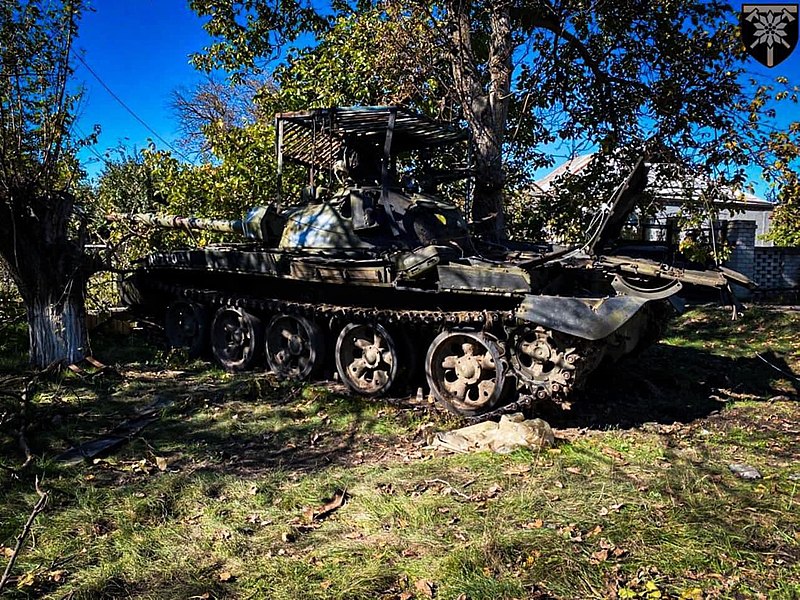
Eight months into the war, Russia has now sought to levy “dirty bomb” allegations against Ukraine. However, countries in the West say Moscow could plan to use the accusation as a pretext to escalate the war.
Top Russian officials spoke with their Western counterparts Monday to levy the suspicion that Ukraine is planning to deploy a “dirty bomb” in the war. However, the foreign ministers of the United Kingdom, France, and the United States rejected the accusations as “transparently false.”
“Our countries made clear that we all reject Russia’s transparently false allegations that Ukraine is planning to use a dirty bomb on its own territory. The world would see through any attempt to use this allegation as a pretext for escalation. We further reject any pretext for escalation by Russia,” said the ministers in a joint statement.
Washington later issued a warning to Moscow, as State Department spokesperson Ned Price said the US has made clear that there would be severe consequences should Russia decide to use nuclear weapons on Ukraine, whether it was a dirty bomb or a nuclear bomb.
Moscow said it does not intend to use a nuclear weapon and sent a letter about its claims to the United Nations on Monday while raising the issue with the UN Security Council in a meeting Tuesday.
US officials have also said there was no indication that Russia made the decision to use a dirty bomb or any nuclear weapon in its war with Ukraine.
The Russian defense ministry claimed that Ukraine would use a dirty bomb with the goal of blaming Russia for potential radioactive contamination. The UN nuclear watchdog IAEA said Monday that it would be sending inspectors to two Ukrainian sites at Ukraine’s request as a response to Moscow’s accusations.
30 Liberal Congressional Democrats are now urging US President Joe Biden to shift his strategy on the war by also pursuing a negotiated settlement along with continued economic and military aid.
When pressed for comment, Price said that Washington has heard from Kyiv that the only way to end the war was through diplomacy and dialogue. However, according to Price, Russia has not given any indication that it is willing to engage in diplomacy and dialogue in good faith.







