The relentless march of progress has brought about a world that is capable of creating driverless vehicles, actual jet packs, and flying cars. Now, it seems the hoverbike race is also heating up, with governments and private entities getting in on the action. The latest to throw their lot in the contest with a promising creation is the Russian startup Hoversurf, with its hoverbike called Scorpion-3.
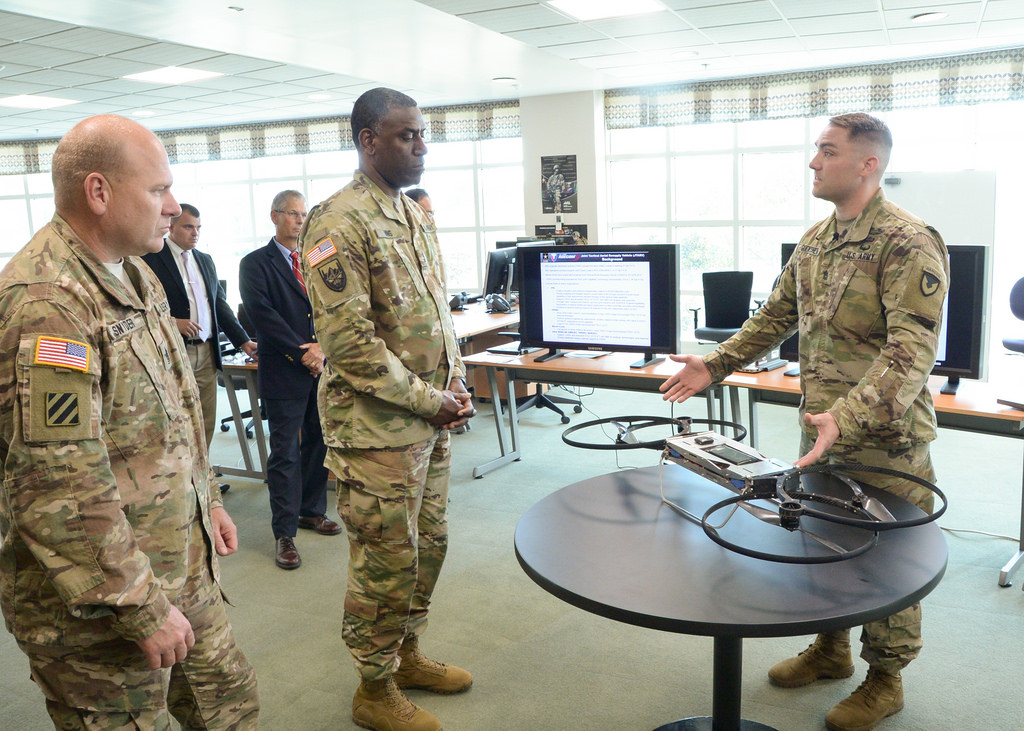
After the US Army created a hoverbike that could carry a load of up to 300lbs, the world saw that it was finally possible to make vehicles a la Star Wars. It wasn’t specifically meant to be ridden as one would with a traditional motorcycle, but it certainly allowed people to ride it in demonstrations.
The Scorpion-3 follows a similar path, but with key differences being the actual intent behind the machine. Not only does it come with key aspects that make it suitable for the same purposes as what the US Army’s drone is meant for, its design clearly makes it meant to be ridden.
The drone is powered by electricity and gets its lift from the four propellers that it has, which are placed on all four corners. It’s basically a quad-copter, like so many drones in the market. The Scorpion-3 is just quite a bit bigger.
Thanks to its proprietary software, the hoverbike is also incredibly easy to maneuver, which its makers say makes it suitable to be used by both amateurs and professionals. Barring the obvious features that make it seem like a drone, the design of the vehicle is also clearly influenced by durable superbike designs, Futurism reports.
Based on the tests so far and the details that the company has provided, it would seem that the hoverbike is also able to sail through the air with ease. This helps it keep stability while hovering since it won’t have to fight as hard to keep aloft.