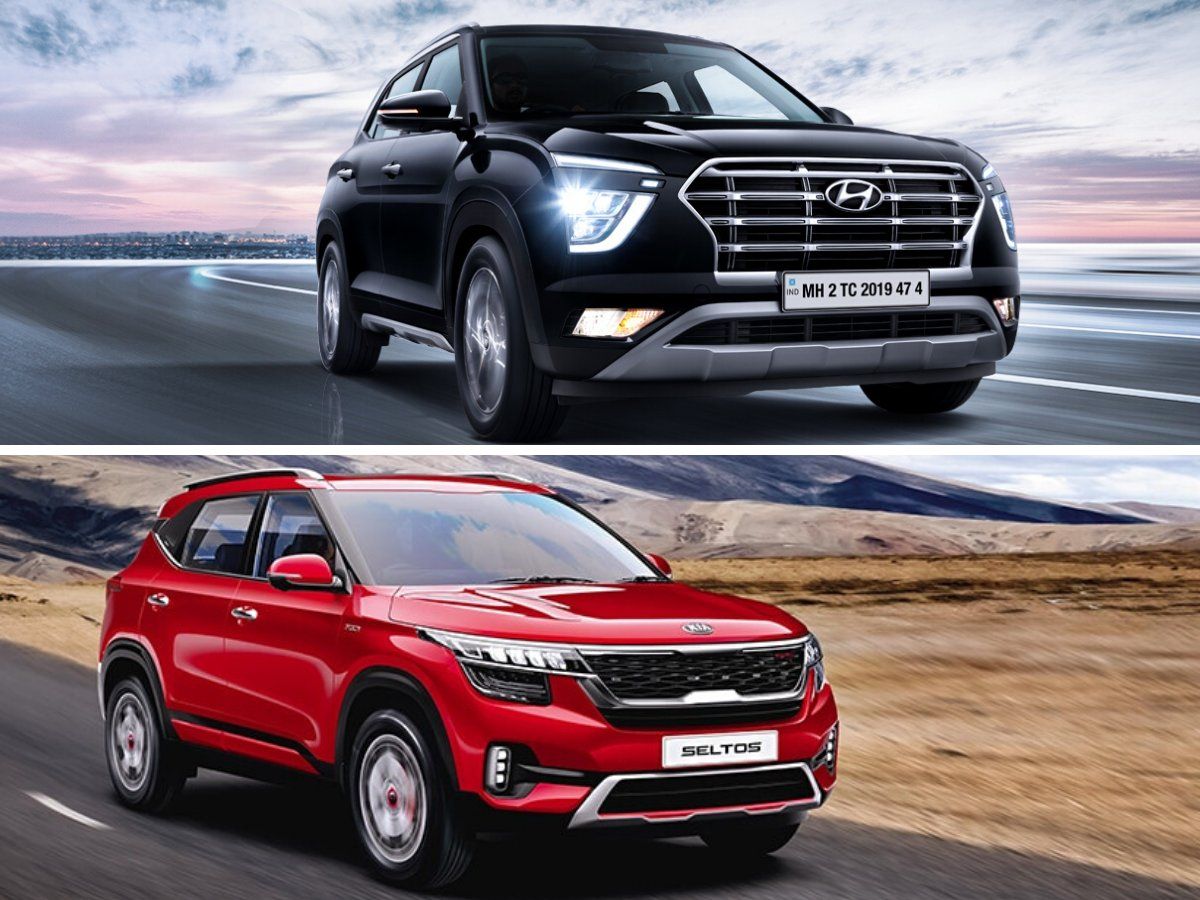
South Korean carmakers sold 2.1 million units in eight major markets in the first half, down 9.9 percent from 2.33 million units in the same period last year, to dip its global market share to 7.7 percent.
Their market share was 7.9 percent a year ago.
The Korea Automobile Manufacturers Association (KAMA) attributed the decline to the extended chip shortage.
The eight markets are the United States, Europe, China, India, Mexico, Brazil, Russia, and the Association of Southeast Asian Nations (ASEAN).
Sales in the US and Europe fell 18 percent and 14 percent, respectively, while sales in Brazil and Russia dropped 15 percent and 57 percent.
KAMA recommended the government and local automakers work together to deal with tougher rules on combustion engine vehicles in Europe and the US enactment of the Inflation Reduction Act (IRA), which disqualifies electric vehicles made outside the US from tax credits.



Ferrari Group to Launch IPO in Amsterdam, Targets Over $1 Billion Valuation
Nvidia CEO Jensen Huang Says AI Investment Boom Is Just Beginning as NVDA Shares Surge
Gold Prices Slide Below $5,000 as Strong Dollar and Central Bank Outlook Weigh on Metals
Japanese Pharmaceutical Stocks Slide as TrumpRx.gov Launch Sparks Market Concerns
Trump Backs Nexstar–Tegna Merger Amid Shifting U.S. Media Landscape
South Korea’s Weak Won Struggles as Retail Investors Pour Money Into U.S. Stocks
Prudential Financial Reports Higher Q4 Profit on Strong Underwriting and Investment Gains
Why your retirement fund might soon include cryptocurrency
FDA Targets Hims & Hers Over $49 Weight-Loss Pill, Raising Legal and Safety Concerns
OpenAI Expands Enterprise AI Strategy With Major Hiring Push Ahead of New Business Offering
Dollar Steadies Ahead of ECB and BoE Decisions as Markets Turn Risk-Off
SpaceX Pushes for Early Stock Index Inclusion Ahead of Potential Record-Breaking IPO
Baidu Approves $5 Billion Share Buyback and Plans First-Ever Dividend in 2026
Tech Stocks Rally in Asia-Pacific as Dollar Remains Resilient
Dollar Near Two-Week High as Stock Rout, AI Concerns and Global Events Drive Market Volatility
Alphabet’s Massive AI Spending Surge Signals Confidence in Google’s Growth Engine
U.S. Stock Futures Rise as Trump Takes Office, Corporate Earnings Awaited 


