South Korea's STX Corp. has strategically partnered with an Indonesian firm to establish a nickel plant in Indonesia, expanding its influence in the rapidly growing electric vehicle (EV) battery industry. The move capitalizes on Indonesia's 21 million tons of nickel reserves, representing 24% of the world's total.
To make its mark in the surging EV battery industry after a corporate restructuring, South Korea's trading company, STX Corp., has teamed up with an Indonesian company to establish a nickel plant in the Southeast Asian nation, expanding its presence in this lucrative sector. The precise details of the joint venture, such as the partner's name and stake allocation, remain undisclosed due to a non-disclosure agreement.
Notably, the Indonesian company possesses a license for mineral transportation and sales, including nickel, and annually trades over 300,000 tons of this core material used in EV batteries. STX identifies the partner, holding mining rights, as the primary shareholder of a local company in the world's largest nickel-producing country.
To ramp up its nickel trading volume from the current 100,000 tons to 1 million tons by 2026, STX plans to construct a joint nickel plant in Indonesia. This strategic endeavor is projected to synergize with the Ambatovy nickel project, a substantial nickel and cobalt mine located offshore the eastern coast of Africa in Madagascar.
Since STX invested 30.6 billion won ($23.6 million) in the Ambatovy mine in 2006, it has gained significant experience and expertise in the nickel industry. Although its stake in the project stood below 1% by the end of March, the company remains committed to expanding its presence. In addition, STX intends to invest in an Indonesian mine estimated to hold 60 million tons of nickel ore reserves.
Simultaneously, it is preparing to establish a mineral smelting and refinement factory in Indonesia, a crucial element in the supply chain. These strategic moves come after STX's decision in March to spin off its shipping business, redirecting its focus towards trading raw materials like nickel and lithium.
Meanwhile, Huayou, a prominent Chinese company, plans to invest $200 million in constructing its first Indonesian nickel sulfate plant, further solidifying Indonesia's position within the global lithium-ion value chain. With a nickel metal capacity of 50,000 tons annually, this facility expands Huayou's influence in Indonesia's mining and refining sectors.
The developments in Indonesia's nickel industry pave the way for an exciting future, with increased collaboration and investment in the vital EV battery market.
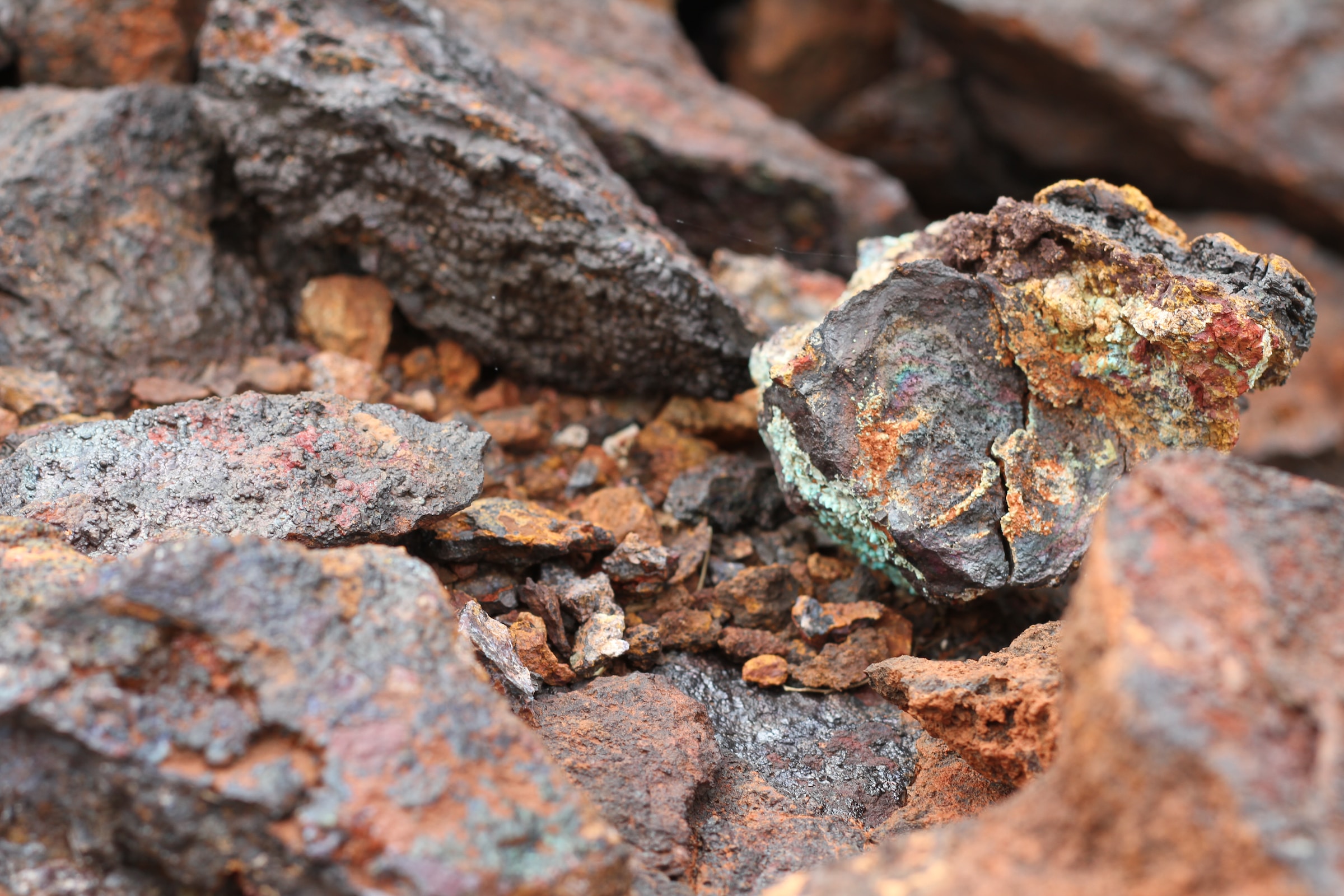
Photo: Paul-Alain Hunt/Unsplash