


 FDA Weighs Safety Standards for Psychedelic Therapies
  Venezuela Nears Deal to Move $4 Billion in Gold to New York Fed
  ICE Agent Arrested in Minneapolis Over Venezuelan Man Shooting
  Texas Republicans Turn Against AI Data Centers as Election Backlash Grows
  US Confirms Weapons in Orbit as Space Tensions Rise
  UN Allows Mahmoud Abbas Video Address After US Visa Denial
  U.S. Imposes New Visa Restrictions Over South Africa Policies
  Trump Says US Army Base in Poland Talks Make Progress
  US-China Experts Push AI Nuclear Safeguards to Prevent Military Escalation
  Nvidia-Groq AI Chip Deal Faces U.S. Antitrust Probe
  U.S. Issues Cuba Health Alert as Illnesses Rise
  Bessent Presses Japan on Fiscal Policy as Yen Struggles
  FAA Allows Boeing to Sell 35 More 777F Freighters Beyond 2028
  SEC Seeks ISS Client Voting Records in Proxy Adviser Probe
  Trump Threatens EU Tariffs Over Canada Membership Proposal
  US Allies Fear Trump Could Soften Taiwan Stance in Xi Talks


 Add as a preferred source on Google
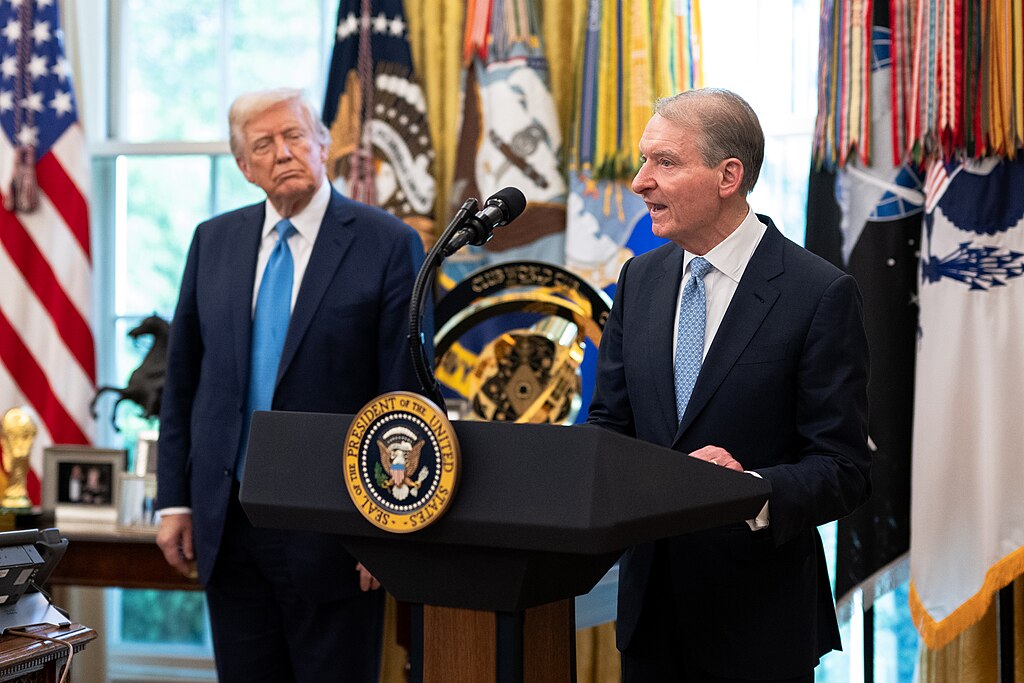
U.S. Securities and Exchange Commission (SEC) Chairman Paul Atkins has reaffirmed his commitment to keeping financial regulation at a minimum while supporting a major change in corporate reporting requirements. In an opinion piece for the Financial Times, Atkins emphasized that the SEC would aim to administer only the “minimum dose” of regulation necessary to maintain fair and transparent markets.
One of the key initiatives he highlighted is the push to accelerate President Donald Trump’s proposal to end the long-standing practice of quarterly corporate reporting. Instead, companies would be given the option to issue financial reports on a semi-annual basis. The move, according to proponents, would ease the administrative burden on businesses, reduce costs, and allow executives to focus more on long-term growth strategies rather than short-term earnings pressure.
Quarterly reporting has long been criticized for fostering a short-term mindset on Wall Street, where investors and analysts scrutinize every three-month earnings report. By shifting to a six-month reporting schedule, Atkins argues that companies will have more breathing room to invest in innovation, strengthen competitiveness, and create sustainable shareholder value.
While the proposal has sparked debate, with some investors concerned that less frequent reporting could reduce market transparency, Atkins underscored that the SEC’s approach would still prioritize accountability and investor protection. He noted that companies choosing the semi-annual option would remain subject to strict disclosure rules and oversight.
The push for regulatory reform and flexible reporting standards reflects the broader agenda of the Trump administration to reduce red tape for U.S. businesses. If implemented, this change could mark one of the most significant shifts in American corporate governance in decades.
Atkins’ remarks highlight the SEC’s balancing act between ensuring market integrity and giving companies the flexibility they need to thrive in an increasingly competitive global economy.







