Hyundai Motor Group accelerates its electric vehicle (EV) charging market presence, developing cutting-edge, ultra-fast chargers to challenge Tesla's dominance in Korea.
Hyundai's engine and transmission parts-making unit, Hyundai Kefico Corp., is actively pursuing certification from the Korean government for its super-fast chargers. These chargers boast an impressive power output of 350 kilowatts (kW). The plan is to have them available for public use within this year, significantly enhancing the EV charging infrastructure in the country.
In line with its commitment to advancing EV technology, Hyundai Motor Group announced its foray into EV charger development last October. Once certified, the Blue Plug chargers will be deployed nationwide across Hyundai's charging stations. This move will not only bolster the capability of the group's electric cars but also increase the convenience for Hyundai EV owners.
Hyundai unveiled its E-pit brand in March 2021 to accelerate its electric vehicle penetration in Korea. The company plans to establish high-speed EV charging stations under the E-pit brand. These stations are equipped with Hyundai's premium 350-kW chargers, providing a rapid and seamless charging experience.
However, the expansion of E-pit stations has been slower than anticipated. Currently, there are only 36 E-pit stations across Korea, up from 12 in April 2021. In comparison, Tesla's Supercharger stations have surged to 106 from 33 within the same period. Hyundai Motor has acknowledged the challenge and is committed to overcoming it.
One of the hurdles Hyundai Motor faces is the cost of building premium E-pit charging stations. Each E-pit station requires four to six units of 350-kW chargers, and the company imposes strict quality standards on its charger suppliers. While this premium branding strategy aims to differentiate Hyundai's charging stations, it has resulted in higher construction costs and limited the number of suitable charger suppliers.
While Hyundai Motor is working to address these challenges, Tesla continues to assert its dominance in the Korean charging industry. Tesla's Superchargers have gained immense popularity, offering a widespread and reliable charging network for Tesla EV owners.
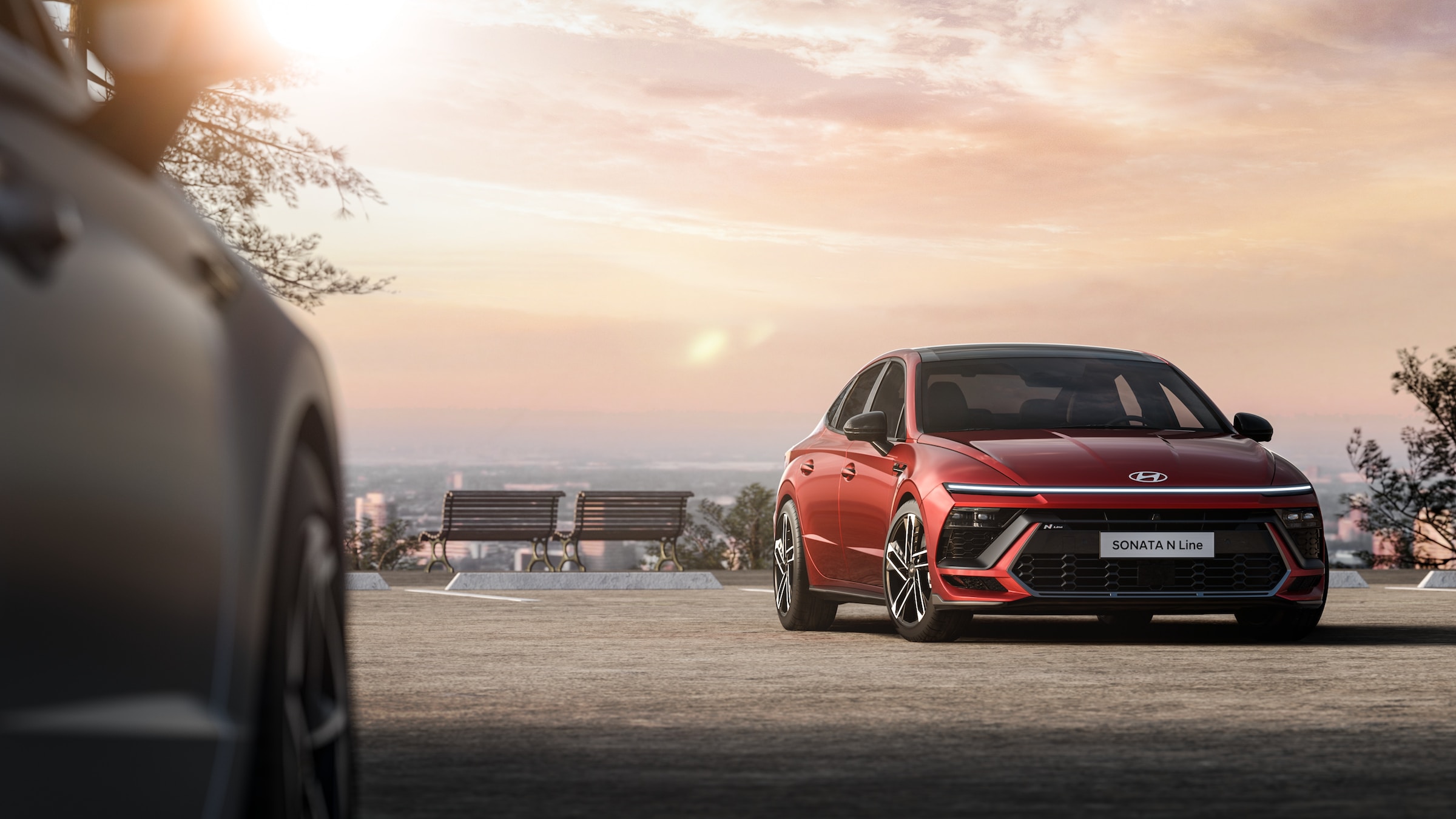
Photo: Hyundai Motor Group/Unsplash