Japanese automaker Mazda aims for a robust 50% sales boost in China for 2023. As part of their strategy, the introduction of yearly electric models, starting in 2024, targets China's rapidly growing EV market.
Although Mazda's highly anticipated new electric vehicle (EV) model won't be available in time, the company is betting on the forthcoming release of the CX-50 hybrid vehicle this fall to drive sales growth. The automaker believes this sport utility vehicle, originally intended for the North American market, will attract customers seeking cars for outdoor activities.
In a bid to comply with environmental regulations, many carmakers, including Mazda, are prioritizing electrification. In China, where a quarter of all new cars sold are EVs or other environmentally friendly vehicles, the government's generous support in subsidies and tax breaks has accelerated the adoption of EVs and intensified price competition.
Mazda's plan for electrification includes a series of new electric models specially designed for the Chinese market, including fully electric and hybrid vehicles, to be introduced annually starting from fiscal year 2024. The company aims to capture its previously missed revenues by forming joint ventures with local partners.
While Mazda's electrification efforts are focused on China, the automaker isn't rushing to implement the same strategy in other markets. In the European Union, for instance, gas-powered vehicles can continue to be sold if synthetic fuels are used. Likewise, the United States has a diverse range of policies regarding vehicle electrification that vary from state to state.
Mazda has planned significant investments totaling ¥1.5 trillion by 2030 to support its electrification shift. Collaborating with its business partners, Mazda's investments will cover a wide range of research and development, including advancements in EV motors and batteries.
In the fiscal year ending in March 2022, Mazda strengthened its business foundation and raised unit prices, surpassing the break-even point of less than one million units. However, parts suppliers struggled as their business model relies on selling in large volumes. Mazda plans to expand its cooperation with local suppliers beyond powertrains to ensure a more balanced relationship.
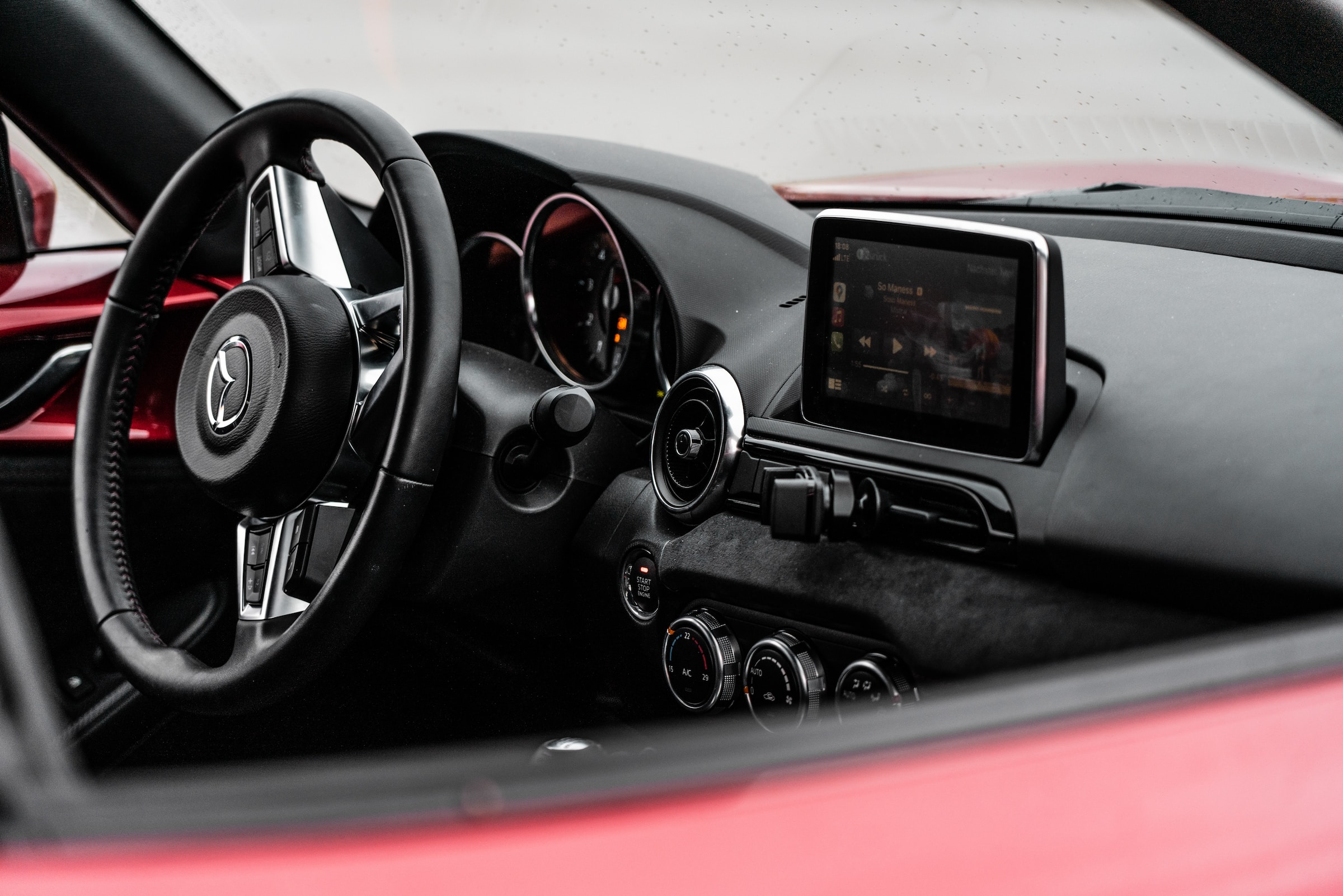
Photo: Aron Yigin/Unsplash