


 Elon Musk Donates $366 Million to 2026 US Midterms
  Russian Strikes Kill Six in Ukraine, Including Three in Kharkiv
  Panama Declares Emergency After 7.7 Earthquake Triggers 200 Aftershocks
  Pakistan Declares Emergency in Khyber Pakhtunkhwa, Suspends Imran Khan’s PTI Government
  Yandex Data Center Hit by Drone Strike as Russia-Ukraine Cyber Infrastructure Attacks Escalate
  Mahmoud Abbas Postpones Palestinian Elections to September 2027
  UK Finance Minister Healey Calls for Fiscal Discipline Amid Global Risks
  US Judge Blocks Trump Administration’s Taxpayer-Funded Political Ads
  Kim Jong Un Showcases ICBM Ahead of Possible Trump Meeting
  Trump Denies Russia and China Are Helping Iran in U.S. Conflict
  Houthis Warn Saudi Airports After Deadly Riyadh Attack
  Greenland Lawmakers Back Trump Security Deal Despite Economic Concerns
  Trump Defends Russian Diesel Deal Amid US Sanctions Backlash
  Trump Announces Russia-Ukraine Energy Ceasefire Amid U.S. Pressure on Kyiv
  North Korea Fires Ballistic Missiles as Tensions With South Korea Escalate
  Jordan Bardella Antisemitism Allegations Threaten Le Pen’s Campaign
  Trump Sanctions International Criminal Court, Sparking EU Backlash


 Add as a preferred source on Google
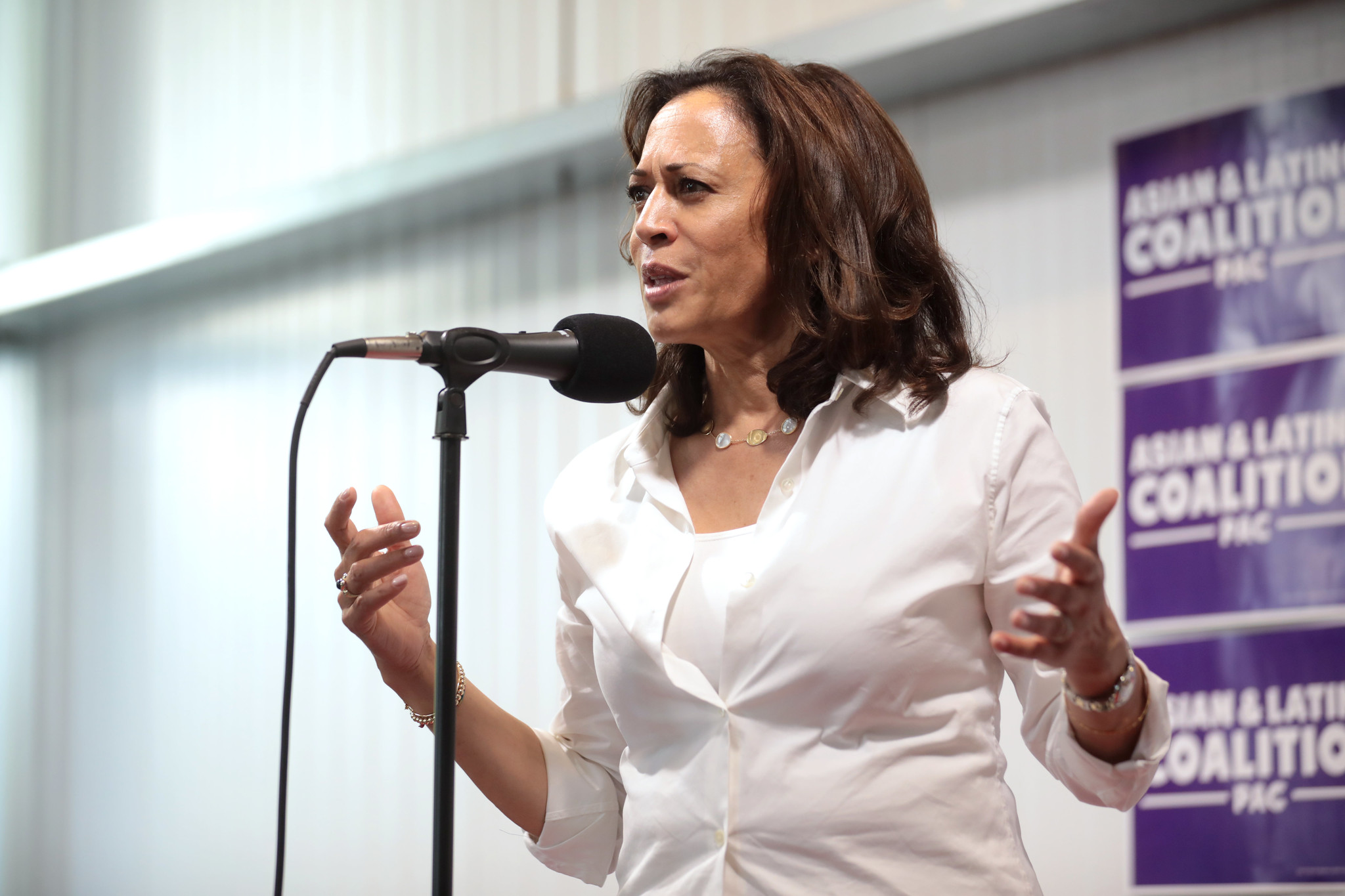
Kamala Harris’s presidential campaign has spent an astonishing $28.6 million on Facebook, Instagram, Google, and YouTube ads in just one week. This expenditure is reportedly the highest recorded for such platforms within seven days, highlighting the campaign's aggressive digital strategy.
This unprecedented spending dwarfs the efforts of her main rival, former President Donald Trump, whose campaign allocated just over $1.4 million on similar ads during the same timeframe. The stark contrast in ad spending underscores the Harris campaign's determination to dominate the digital space as the election approaches.
The Harris campaign's strategic investment in social media comes at a crucial time. The campaign aims to capitalize on the platforms' vast reach and ability to target specific demographics. With younger voters increasingly turning to social media for news and information, the campaign's focus on these platforms is a calculated move to engage and mobilize this critical voter base.
Political analysts have noted that such a substantial investment in digital advertising indicates the campaign's broader strategy to ensure visibility and engagement. The decision to allocate significant resources towards these ads suggests a recognition of the shifting dynamics in political campaigning, where traditional media is increasingly supplemented, if not overtaken, by digital avenues.
The $28.6 million spent by the Harris campaign over a single week is not just a record-breaking figure but also a testament to the evolving nature of political campaigns in the digital age. The extensive use of social media ads allows for precise targeting, enabling campaigns to reach potential voters with tailored messages. This level of engagement is crucial for building support and swaying undecided voters, particularly in a highly competitive race.
The Trump campaign's $1.4 million expenditure on social media ads appears modest. This disparity in spending raises questions about the differing strategies employed by the two campaigns. While Trump has traditionally relied on rallies and conventional media coverage, the Harris campaign's focus on digital advertising reflects a more modern approach to voter engagement.
The significant gap in ad spending between the Harris and Trump campaigns may also reflect the broader financial resources available to each. With Harris having set a fundraising record of $200 million within the first week of her campaign, the ability to allocate such vast sums towards advertising indicates a robust financial backing.
This aggressive digital strategy by the Harris campaign is expected to continue as the election nears, with further investments in social media likely. Political analysts will closely watch this approach's success and may set a precedent for future campaigns.
In summary, Kamala Harris's campaign has shattered records with unprecedented spending on social media ads, far outpacing Donald Trump's efforts. This move underscores a strategic focus on digital engagement, aiming to leverage the power of social media to connect with voters and shape the narrative as the election approaches.







